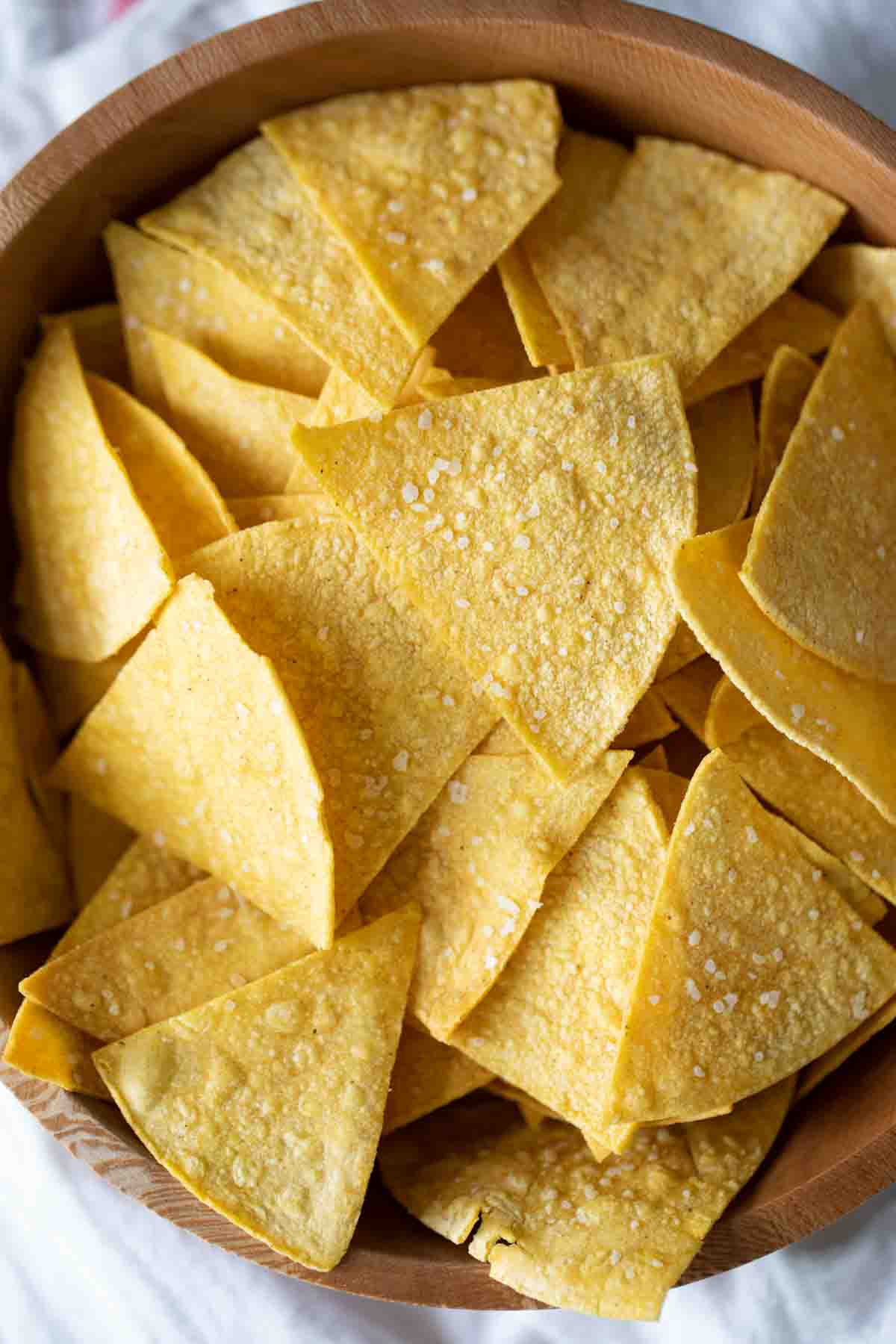
Blue corn is just as gluten-free as yellow corn — the color doesn't change the grain. But cross-contact and mixed-grain recipes still matter for celiac safety.
The short answer: Blue corn is exactly as gluten-free as yellow or white corn — the color comes from a natural corn variety (anthocyanin pigment), not from any added grain. Plain blue corn tortilla chips are gluten-free by recipe. The real questions for celiac safety are the same as for any corn chip: is the brand certified, and are the chips “multigrain” or fried in shared equipment?
Does the Blue Color Add Gluten? No.
A common worry is that the blue color signals a different or “mixed” grain. It doesn’t. Blue corn is simply a heirloom variety of corn with a natural blue-purple pigment (anthocyanins). It’s the same gluten-free grain as yellow corn:
- Blue corn masa — Naturally gluten-free grain
- Oil — Gluten-free
- Salt — Gluten-free
- Lime (nixtamalization) — Gluten-free
Nothing about the color introduces wheat, barley, or rye. Plain blue corn chips are gluten-free on ingredients.
The Two Real Risks
1. “Multigrain” or blended recipes
Some blue-corn-style chips are actually multigrain — blue corn blended with other grains. Most added grains (quinoa, rice, flax, chia) are gluten-free, but always confirm the blend doesn’t include wheat, barley, rye, or malt. The word “multigrain” is a signal to read the full ingredient list.
2. Cross-contact and certification
As with any corn chip, the manufacturing environment matters more than the recipe:
- Certified brands (e.g., Garden of Eatin’ Blue Chips, Late July) test to the gluten-free standard and are the safest choice.
- Uncertified brands may be gluten-free by recipe but carry shared-equipment risk.
- Restaurant / bulk-bin blue chips — Treat like any restaurant chip: high cross-contact risk, not celiac-safe.
Certified Blue Corn Options
For celiac disease, look for a gluten-free certification or clear label:
- Garden of Eatin’ Blue Chips — Labeled gluten-free, widely available
- Late July (GF varieties) — GFCO certified; verify the specific variety
- Que Pasa — Labeled gluten-free, organic corn
Frequently Asked Questions
Are blue corn tortilla chips gluten-free?
Yes, plain blue corn tortilla chips are gluten-free — blue corn is the same gluten-free grain as yellow corn, just a different natural color. Choose a certified or gluten-free-labeled brand for celiac safety.
Is blue corn gluten-free?
Yes. Blue corn is a natural variety of corn with a blue pigment. It contains no gluten. The color has nothing to do with wheat or other gluten grains.
Are blue corn chips safe for celiacs?
Certified or GF-labeled blue corn chips are safe for celiac disease. Watch for “multigrain” blends (confirm no wheat/barley/rye) and avoid restaurant or bulk-bin chips with cross-contact risk.
Quick Reference Summary
| Chip Type | Gluten-Free? | Notes |
|---|---|---|
| Plain blue corn (certified) | Yes | Safest — Garden of Eatin’, Late July, Que Pasa |
| Plain blue corn (uncertified) | By recipe | Shared-equipment risk |
| ”Multigrain” blue corn | Check label | Confirm no wheat/barley/rye/malt |
| Restaurant / bulk-bin | NO | High cross-contact risk |
The Bottom Line
The blue color is a red herring — blue corn is as gluten-free as any corn. Plain blue corn tortilla chips are gluten-free by recipe, and certified brands like Garden of Eatin’ and Late July make them a safe choice for celiac disease. Your only two watch-outs are “multigrain” blends (read the label) and the usual cross-contact risk of uncertified or restaurant chips.
Related Guides
- Are Tortilla Chips Gluten Free?
- Are Calidad Tortilla Chips Gluten Free?
- Are Corn Tortillas Gluten Free?
- Are Chips at Mexican Restaurants Gluten Free?