"Close Enough" Is Not Safe: Why Celiac Patients Deserve Better
Dedicated fryers aren't dedicated facilities. 'Gluten-free menus' aren't celiac-safe kitchens. It's time to stop pretending close enough is good enough for celiac disease.
Making a difference in the gluten-free community through awareness, education, and action.
People with celiac disease face challenges that extend beyond their own kitchens. Restaurant dining remains risky because most kitchens aren't designed to prevent cross-contact. Food labeling laws vary widely between countries and don't always protect the most sensitive individuals. And despite affecting 1 in 100 people, celiac disease still receives a fraction of the research funding given to other autoimmune conditions.
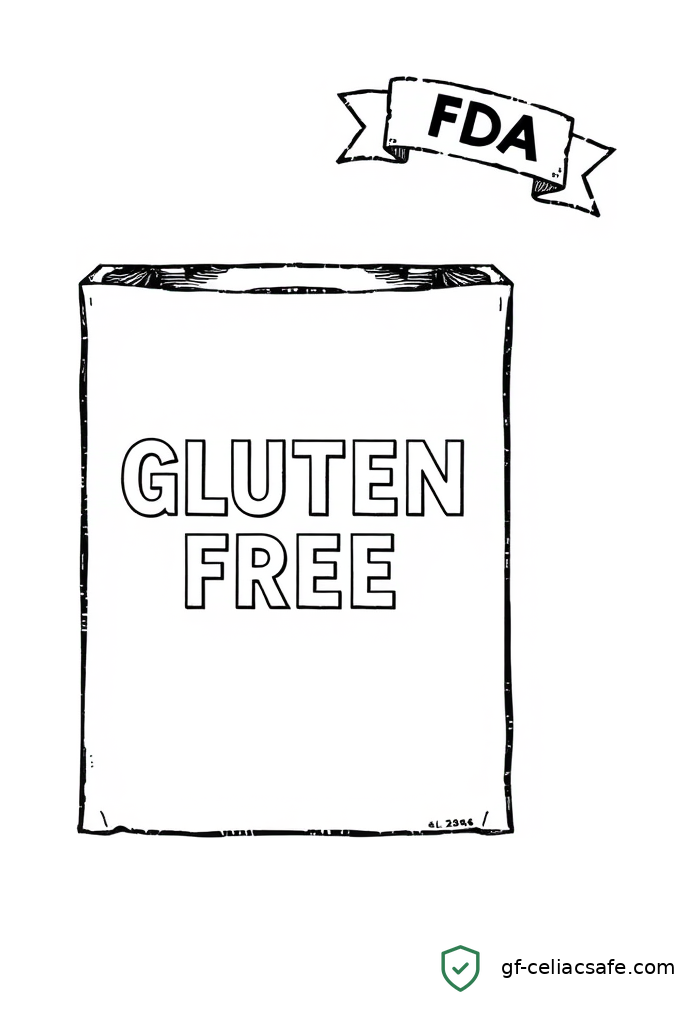
Our advocacy section covers the campaigns, policies, and awareness efforts working to change this. We break down gluten-free labeling laws so you understand what "gluten-free" actually means under different regulatory frameworks — and where the gaps are. We explain why the FDA's 20 parts per million threshold, while a step forward, may not protect all people with celiac disease.
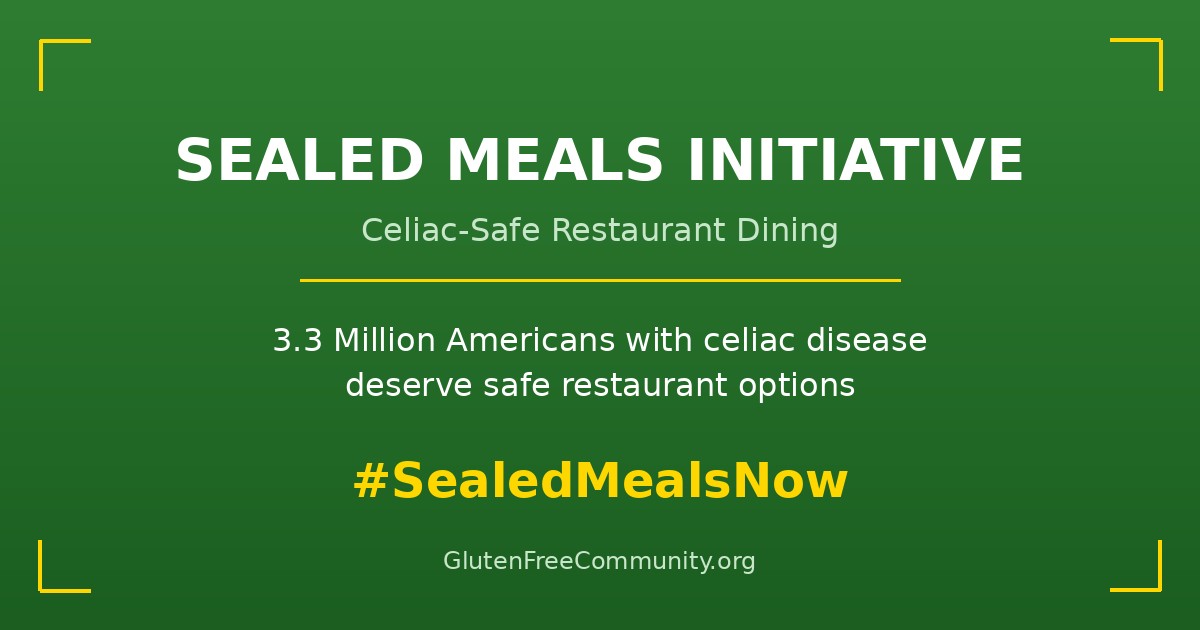
We also run our own campaigns. The Sealed Meals Initiative calls on restaurants to offer pre-packaged, certified celiac-safe meals as an alternative to kitchen-prepared dishes that carry inherent cross-contact risk. It's a practical solution that doesn't require restaurants to overhaul their kitchens — just to offer one safe option for customers who need it.
Every May, Celiac Awareness Month provides an opportunity to educate the public, support research, and connect with others in the community. We provide resources, talking points, and shareable content to help you spread the word.
Dedicated fryers aren't dedicated facilities. 'Gluten-free menus' aren't celiac-safe kitchens. It's time to stop pretending close enough is good enough for celiac disease.
What FDA 'gluten-free' standards mean, why 20 ppm may not protect everyone, and how to find celiac-safe products.
A campaign urging chain restaurants to offer celiac-safe meals through sealed, certified packaging.
Why Celiac Awareness Month matters: the diagnosis gap, spreading understanding, and how you can help.