
Celiac Science
When Home Isn't Safe: The Real Cost of Sharing a Kitchen with Celiac Disease
A woman with celiac disease wants a fully gluten-free home, but her family calls it unfair. Here's why that debate matters for every celiac family.
Understanding the medical, biological, and scientific aspects of celiac disease. From diagnosis to treatment, myths to facts.
Celiac disease is an autoimmune condition affecting roughly 1 in 100 people worldwide, yet the majority remain undiagnosed. When someone with celiac disease eats gluten — a protein found in wheat, barley, and rye — their immune system attacks the lining of the small intestine, damaging the villi that absorb nutrients from food.
This section covers the science behind celiac disease in plain language. We break down how gluten triggers an autoimmune response, what happens during the diagnostic process (blood tests, biopsies, and genetic markers), and why celiac disease is so frequently misdiagnosed or overlooked entirely.
Whether you've just been diagnosed, suspect you might have celiac disease, or want to understand what's happening in your body, these guides are written for patients — not textbooks. Every article is sourced from peer-reviewed research, medical institutions, and established organizations like the Celiac Disease Foundation and Beyond Celiac.
If you're newly diagnosed and feeling overwhelmed, start with our beginner's guide to celiac disease. For a deeper look at the protein that causes it all, read our complete guide to understanding gluten.
Beyond the basics, this section tracks the science as it evolves: how celiac disease is diagnosed (and why genetic testing alone can't confirm it), the difference between celiac disease, non-celiac gluten sensitivity, and a wheat allergy, and the growing pipeline of treatments being studied beyond the gluten-free diet — from enzyme therapies to immune-modulating drugs. We separate what's proven from what's promising, and we cite the research so you can check it yourself.
A woman with celiac disease wants a fully gluten-free home, but her family calls it unfair. Here's why that debate matters for every celiac family.

Annals of Medicine commentary examines plasma metabolomics in Northwest China celiac patients—what the blood-chemistry findings mean for future diagnosis.
Matt Damon went gluten-free to reach 167 pounds for The Odyssey. What does a Hollywood star's diet choice mean for the celiac community?
A market report tracks surging demand for gluten-free facial products. Here's the evidence-based guide on what actually matters for celiac families.
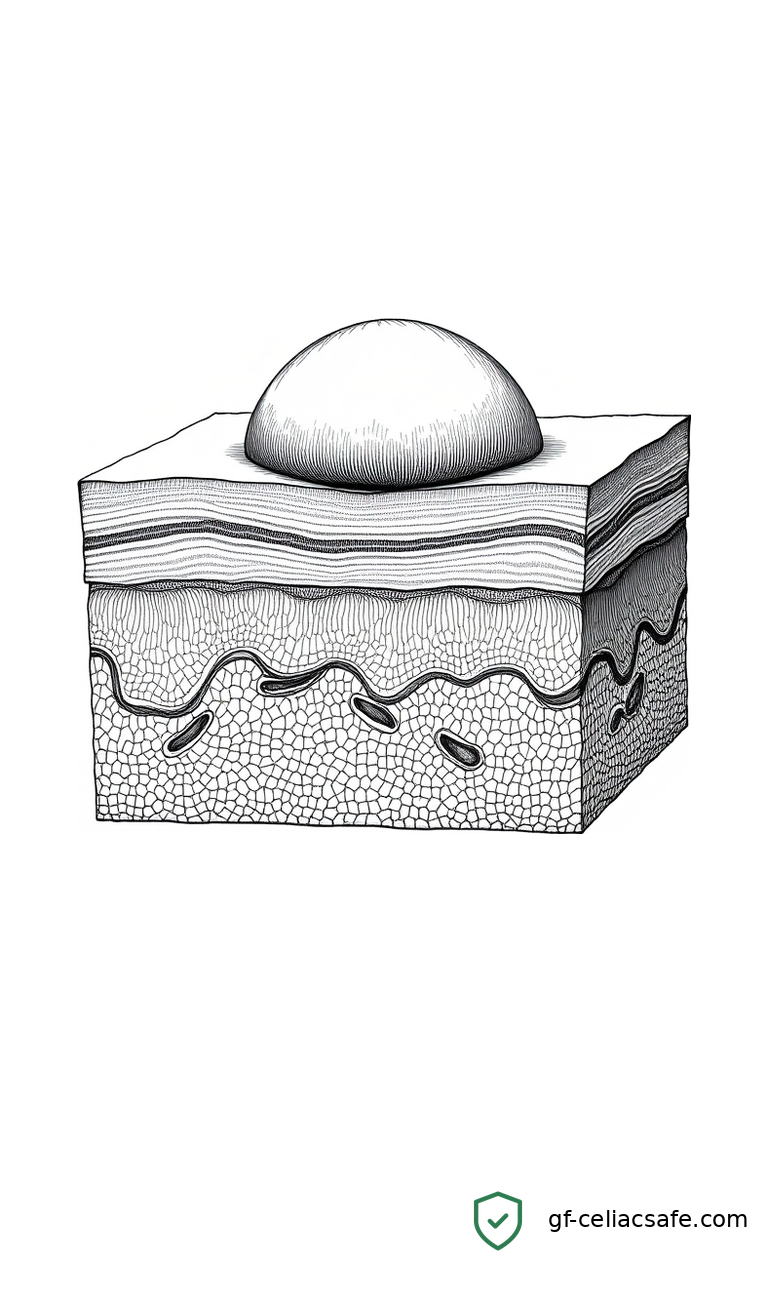
A rare fibrillar variant of dermatitis herpetiformis often lacks a celiac connection—and misdiagnosis can lead to unneeded gluten-free diets.

A new Finnish study examines long-term health outcomes and mortality in screen-detected celiac disease, adding evidence to the debate over population-wide screening.

A new study from India finds celiac disease at elevated rates in children with anemia—adding to global evidence that unexplained iron deficiency warrants celiac screening.

Jennifer Esposito's liver was failing during years of celiac misdiagnosis. What the celiac-liver connection means for patients and families still seeking answers.
Does Costco's rotisserie chicken pass the celiac test? We break down the ingredient list, cross-contact risks, and what no gluten-free certification means.

Vin-Chet Bakery in Buffalo is giving away gluten-free baked goods through Step Out Buffalo. What celiac families should ask before ordering from any GF bakery.
The Celiac Safety Act of 2026 could require mandatory cross-contact warnings on food packaging. Here's what would change for celiac families at the store.

The 2nd annual Gluten-Free Bash in Wisconsin shows why dedicated gluten-free community events are lifelines for celiac families — not just celebrations.

Researchers have spent 20 years trying to develop enzyme drugs for celiac disease. A new review reveals exactly what's gone wrong — and maps a path forward.

NBC Today's Dylan Dreyer shared an update on her son Calvin's celiac disease. Here's why her public advocacy matters for every celiac family.

The gluten-free market is projected to hit $19.2 billion by 2031. More options and lower prices sound good—but does a bigger market mean safer products for celiac families?
A Golden, CO brewery is making gluten-free ales and IPAs that rival traditional craft beer—and what celiac families need to know about safe beer labels.

The Celiac Disease Foundation spotlights a 16-year-old celiac advocate who has attended the D.C. Advocacy Summit. Here's why young voices drive policy change.
The FDA's gluten-free labeling rule sets a 20 ppm threshold. Here's what that means for celiac families, what the label covers, and where the gaps remain.
Huntsville's GF pizza scene is growing, but 'gluten-free' on a menu isn't the same as celiac-safe. Here's what families need to ask before ordering.

A new letter in Gut challenges the 1-in-10 self-reported gluten sensitivity figure, calling for better categorization that could improve care for celiac patients and families.

Florida restaurateurs are taking gluten-free offerings seriously. For celiac families, that's progress — but a GF menu item and a celiac-safe meal are not the same thing.

Pepperidge Farm's Goldfish crackers are getting a gluten-free version. Here's what celiac families need to know about availability, safety, and cross-contact.
Takeda has cut a second phase 2 celiac therapy from its pipeline, leaving just one program. What the setback means for patients waiting on alternatives to the gluten-free diet.

A celiac traveler profiled by Forbes is creating practical resources to help celiac families find safe gluten-free meals while away from home. Here's what it means.

A Hudson freshman turned a celiac diagnosis into gluten-free baking success. What this means for newly diagnosed celiac families — and what research reveals about teens finding purpose after diagnosis.

Zooey Deschanel's gluten-free kitchen for her kids mirrors what celiac families do every day. Here is what that actually requires — and why it matters.
The Pharma Letter spotlights Forte Biosciences after argenx's $2.2B acquisition. Here's why this autoimmune drug story matters to celiac families.

Children with celiac disease face significantly higher odds of developing a second autoimmune condition. Here's what celiac families need to know and watch for.

A Colorado teen with celiac disease is sharing her tested gluten-free recipes online—and why community-sourced recipes from actual celiac patients matter most.

A gluten-free food festival gives celiac families something rare: a space where safe eating is the default. Here's why these events matter so much to the community.

Argenx acquires Forte for $2.2B and its phase 2 vitiligo drug. Here's why this autoimmune deal matters to celiac patients and families.

The Brewers Association urged the FDA to keep gluten labeling rules as-is. For celiac families, the gaps in those rules are the whole issue.

Jennifer Esposito calls her psychiatric hospitalization 'excruciating.' Her celiac misdiagnosis story spotlights a diagnostic crisis still harming patients today.

A Nashville pastry chef is working to strip away the stigma celiac patients face when dining out — and why being believed matters as much as having safe food.

Tasting Table calls Schär's Artisan Baker White Bread the best gluten-free bread available. Here's what celiac families should know about whether it's truly celiac-safe — and where to buy it.

A new review in Neuromolecular Medicine maps the full neurological impact of celiac disease — from brain fog to ataxia — and why it's still routinely overlooked.

New research traces the precise molecular sequence that causes gluten to damage the gut in celiac disease — and why mapping it matters for future treatments.
A new study finds consistent patterns between gut bacteria and their chemical byproducts in celiac kids — hinting at new diagnostic and treatment targets.

A new systematic review finds exercise may reduce inflammation and improve quality of life for celiac patients — but evidence is thin, especially for children.
New research confirms the same HLA gene variants that drive celiac risk in Europeans also elevate risk in Mauritanians — with big implications for global screening.

New consensus guidelines on celiac disease have been published, with primary care specialists urging family doctors to apply updated diagnostic standards. Here's why it matters.

A new review examines how next-generation immunoassays for celiac autoantibodies could make no-biopsy diagnosis more accurate and widely available.

Children with Type 1 diabetes are up to 10 times more likely to have celiac disease—often without symptoms. Here's why screening matters and what parents should ask.

Most first-degree relatives carry celiac genetic markers but never develop the disease. New research identifies gut metabolites that may explain why—and point toward prevention.
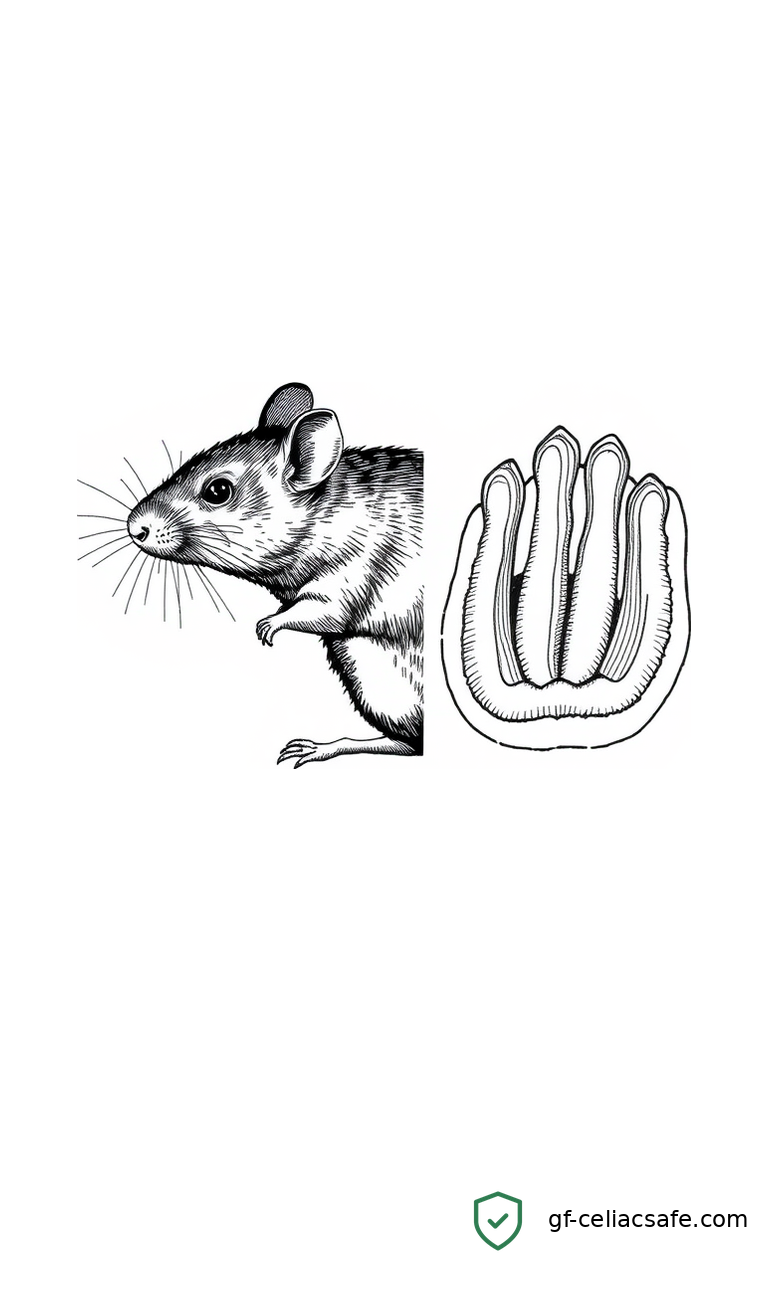
Researchers confirm a humanized celiac mouse model accurately mirrors human responses to TG2 inhibition, a key step toward faster drug development.

The Post and Courier launched a gluten-free restaurant advice column in Charleston. For celiac families, mainstream dining coverage like this changes everything.

New research finds parents of children with celiac disease face real food insecurity due to GF food costs — and have specific policy solutions ready for lawmakers.

A University of Toledo student's celiac diagnosis sparked a creative journey to the big screen. Why stories like this matter for newly diagnosed families.

Indulge Right, Fresno's first dedicated gluten-free bakery, is closing both locations. Here's what this loss means for celiac families in the Central Valley.

Uncontrolled celiac disease can cause erectile dysfunction through nutrient loss and nerve damage. Here is what men with celiac and their families need to know.
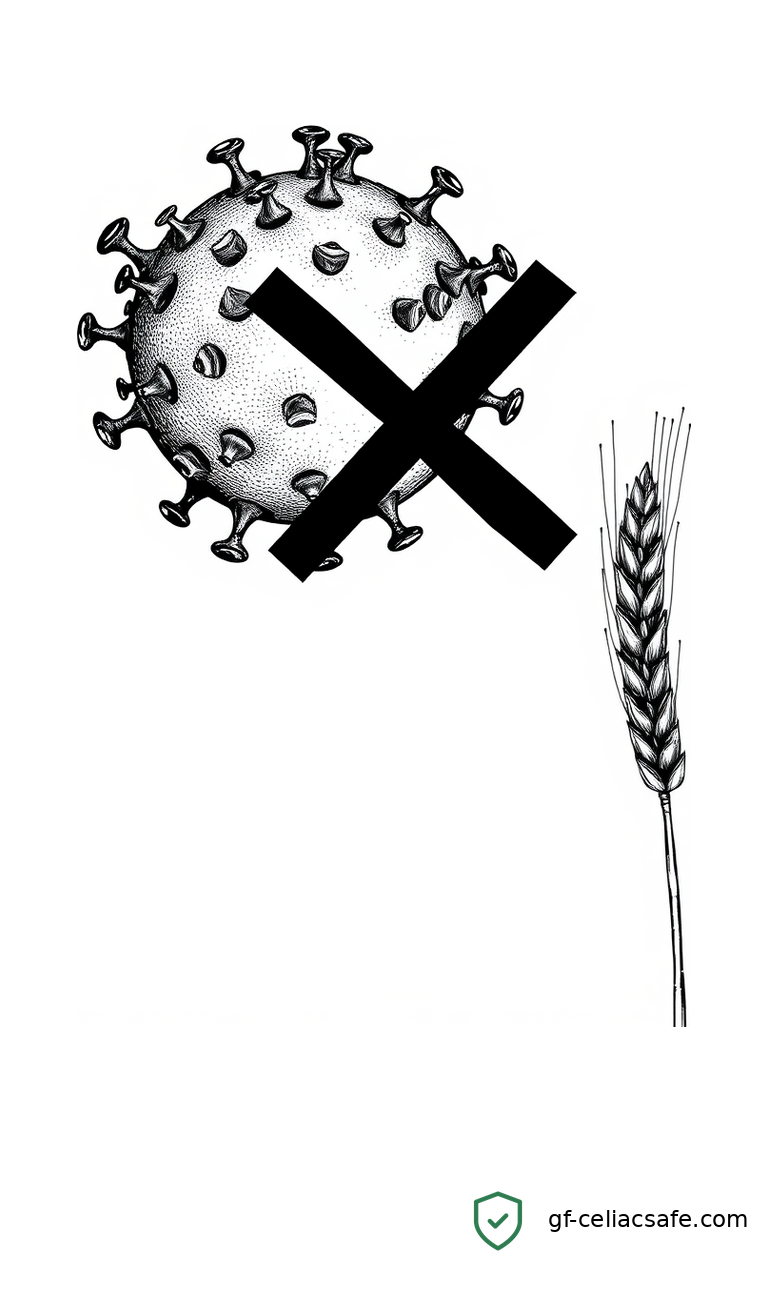
A new meta-analysis pooling data from 10 million people finds COVID-19 infection does not significantly raise the risk of developing celiac disease.

New research confirms celiac disease frequently hides behind iron deficiency anemia with no gut symptoms. What celiac families need to know about this missed connection.

A Telegraph writer's post-diagnosis trip to Cangas del Narcea, Spain—the world's only gluten-free town—reveals what truly celiac-safe infrastructure looks like, and why it matters.
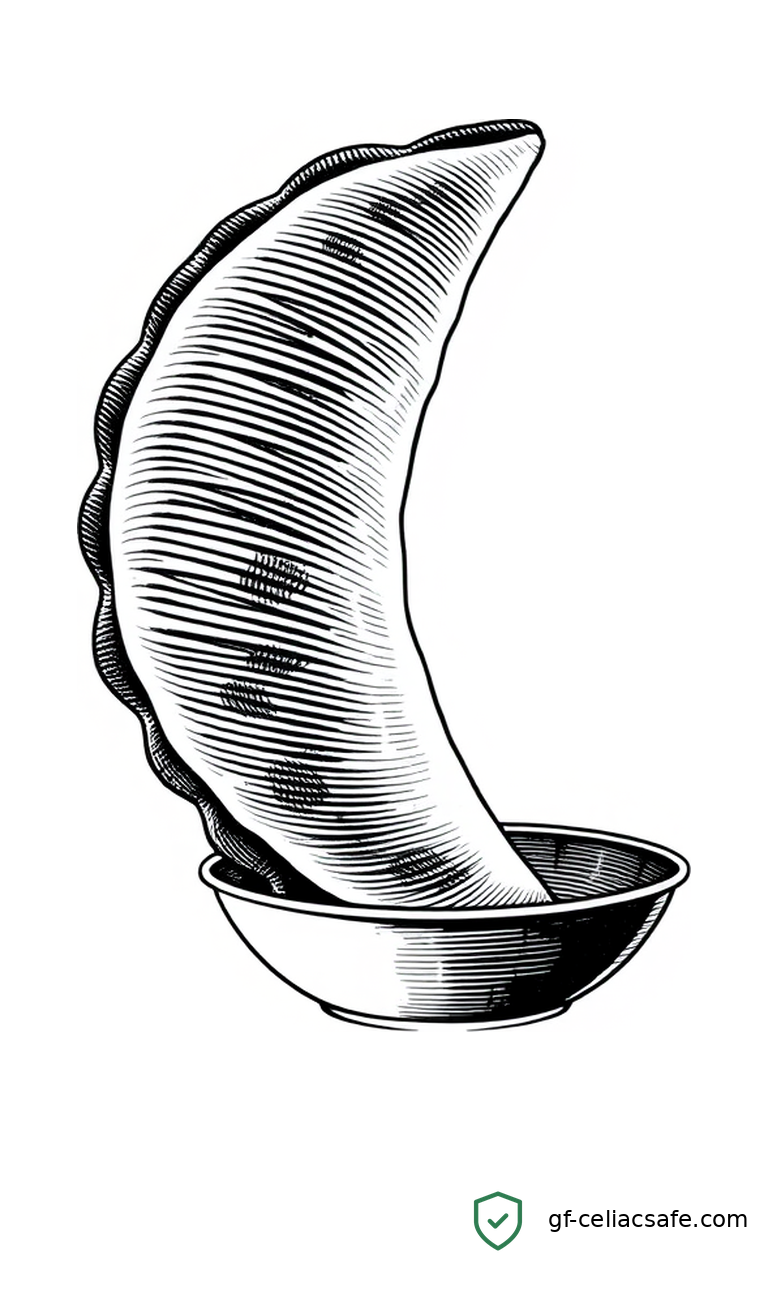
A gluten-free empanada brand is scaling from a founder's home kitchen to retail shelves, signaling more safe options for celiac families who love Latin American food.

New research finds celiac disease in 23% of children whose iron deficiency anemia doesn't respond to iron supplements — often without any stomach symptoms.
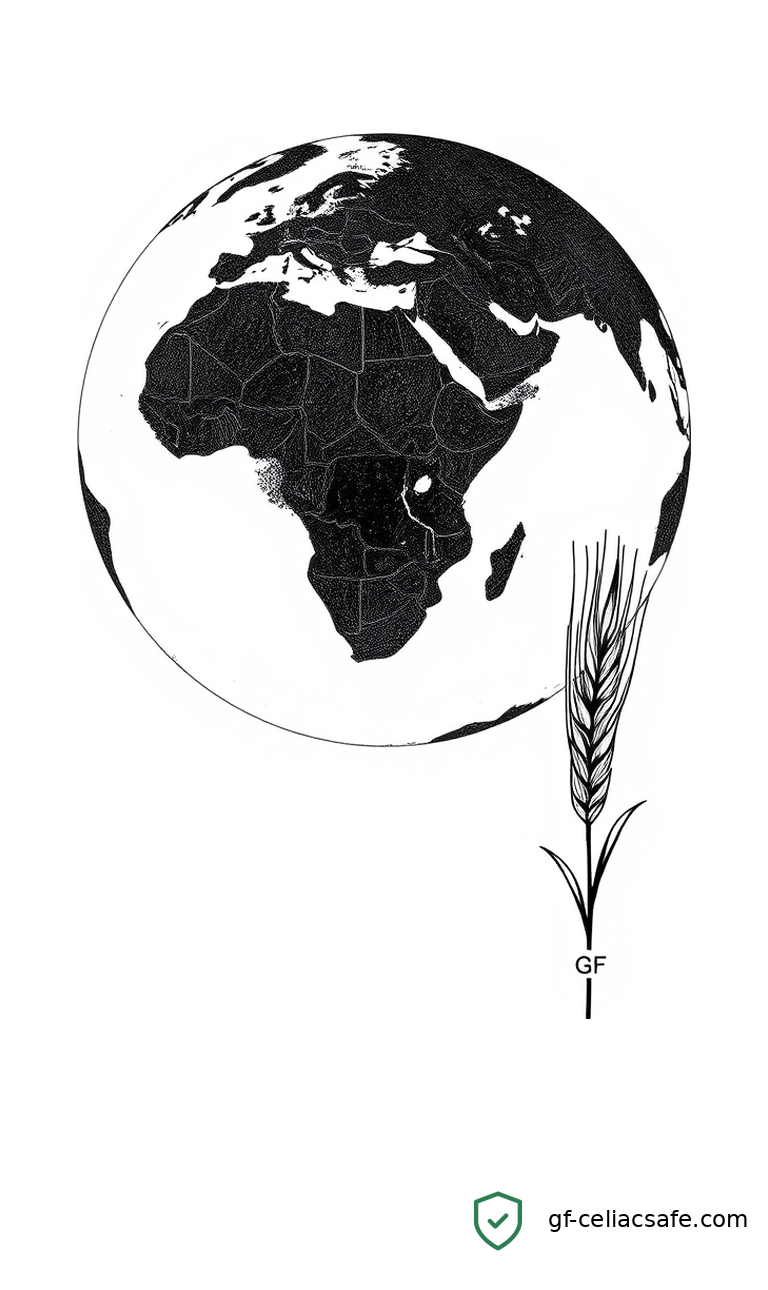
Major prevalence studies show celiac disease affects about 1% of the global population, yet up to 83% of cases go undiagnosed. Here's what the data reveals.
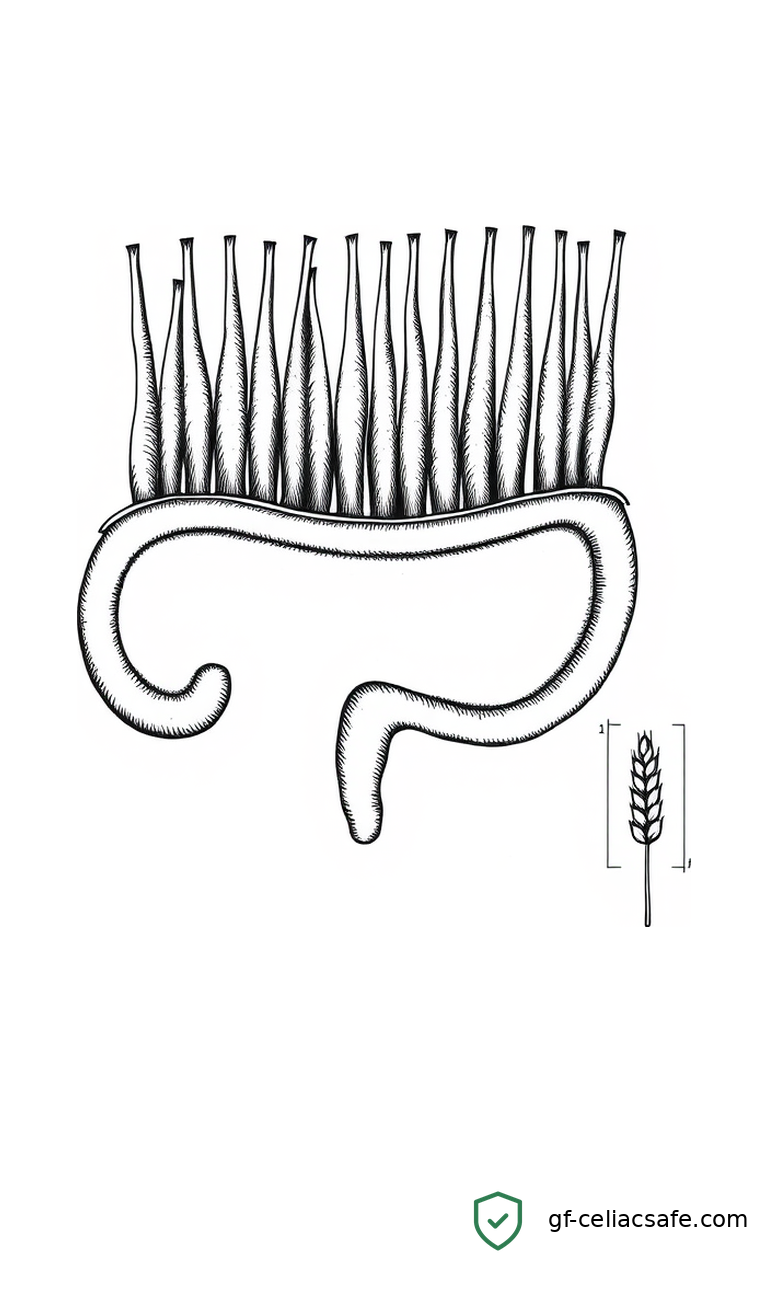
New research shows the gluten-free diet reshapes gut bacteria in children with celiac — but full microbiome recovery may require more than diet alone.

A new study found inflammatory back pain in 43.9% of celiac patients and sacroiliitis in one-third of those scanned — a joint condition that often goes undetected.

FDA allergen rules require wheat disclosure — but barley and rye are exempt. Here's why celiac families need to look beyond the allergen box on every label.

Tasting Table spotlighted a new gluten-free treat at Costco. Here's what the bulk-retail GF trend means for celiac families — and how to shop the warehouse aisle safely.
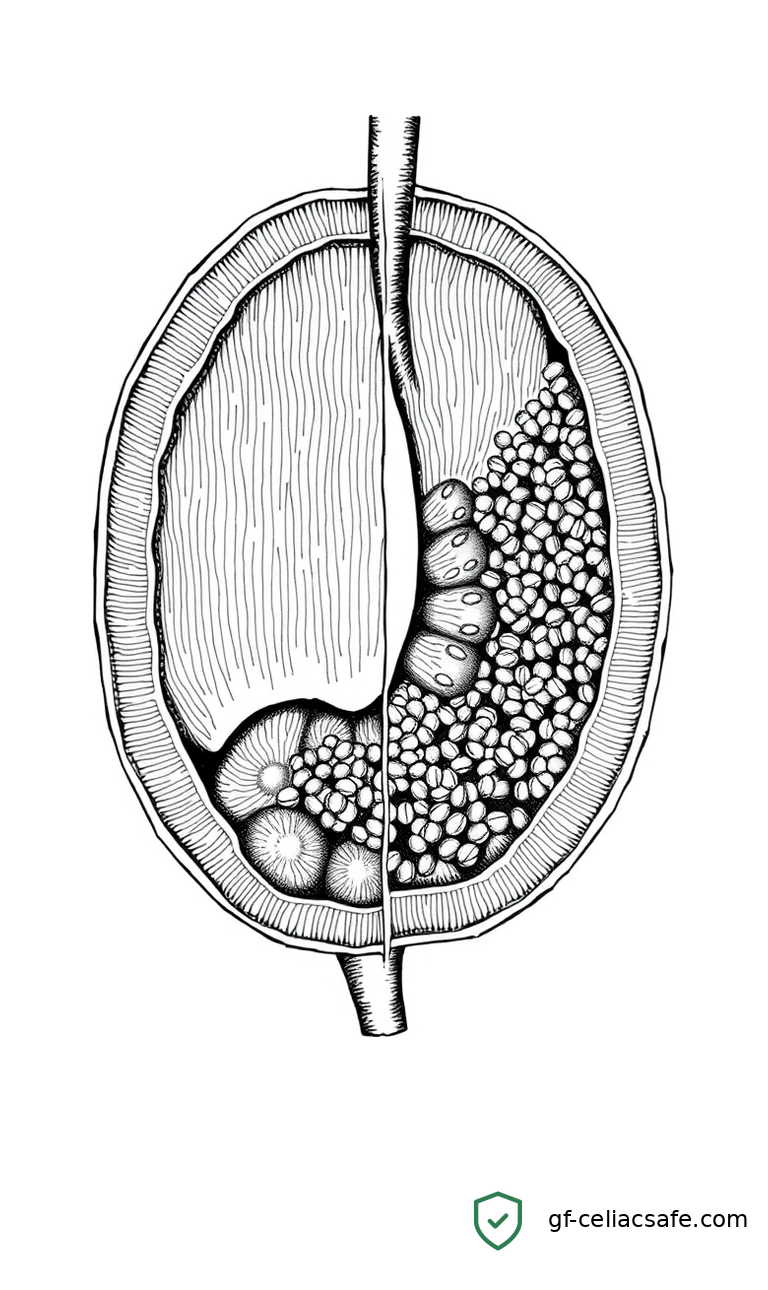
New pediatric research shows celiac disease produces distinctive patterns throughout the upper GI tract, with implications for diagnostic endoscopy.

Spanish supermarket Eroski reports gluten-free customers are unusually loyal. For celiac families, the reason is obvious — and retailers are noticing.

Not all gluten-free sections are equally safe for celiac families. Here's what sets these five grocery stores apart—and what to watch at every one.

The Celiac Cruise hits 35 sailings—and the onboard fundraiser helping low-income celiac families afford the gluten-free diet they need.
New research from Seattle Children's Hospital finds children diagnosed with celiac by blood test alone do just as well in follow-up care as those who had a biopsy.
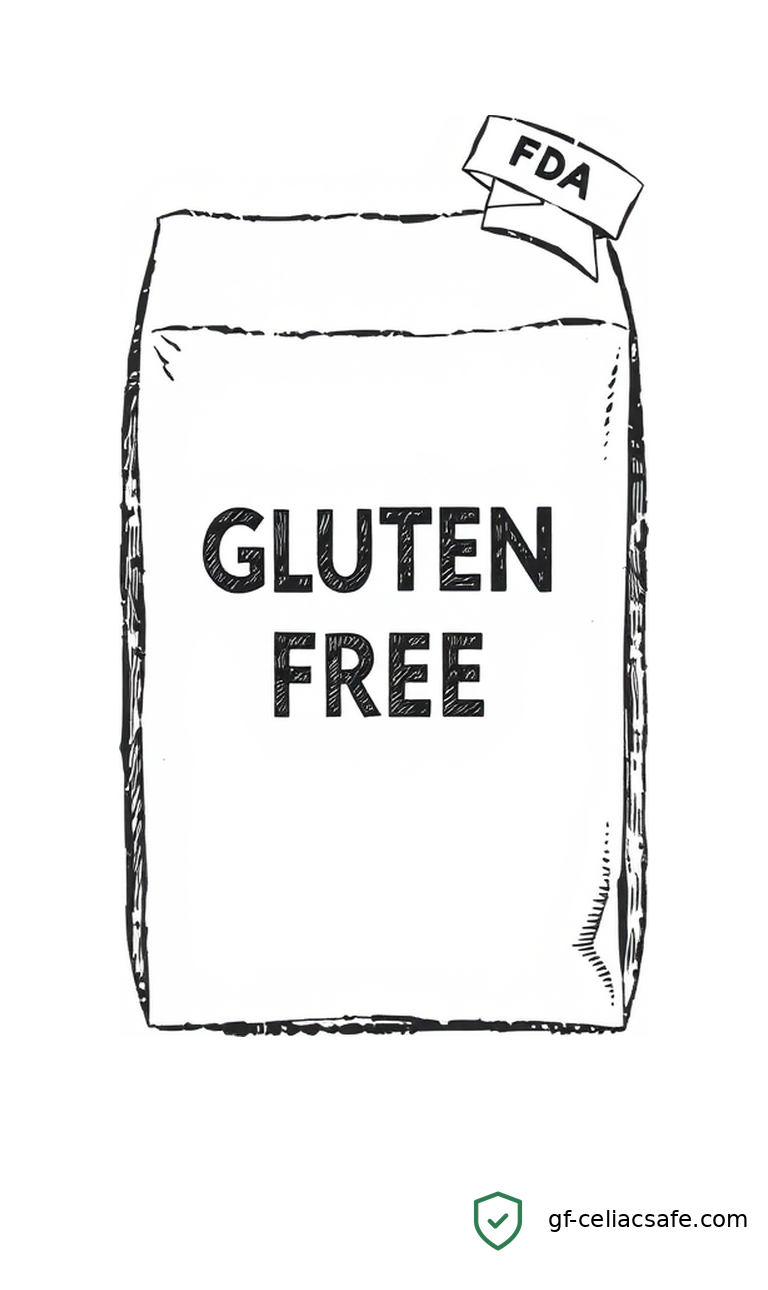
The FDA is moving to improve gluten ingredient disclosure on food labels—closing gaps that have long put celiac patients at risk. Here's what's changing.
The Celiac Disease Foundation secured a record 30 government proclamations for Celiac Disease Awareness Month in 2026. Here's what that means for celiac families.

New research finds celiac kids on a strict GFD gain weight—but not height. Here's what that means for parents and dietary counseling.
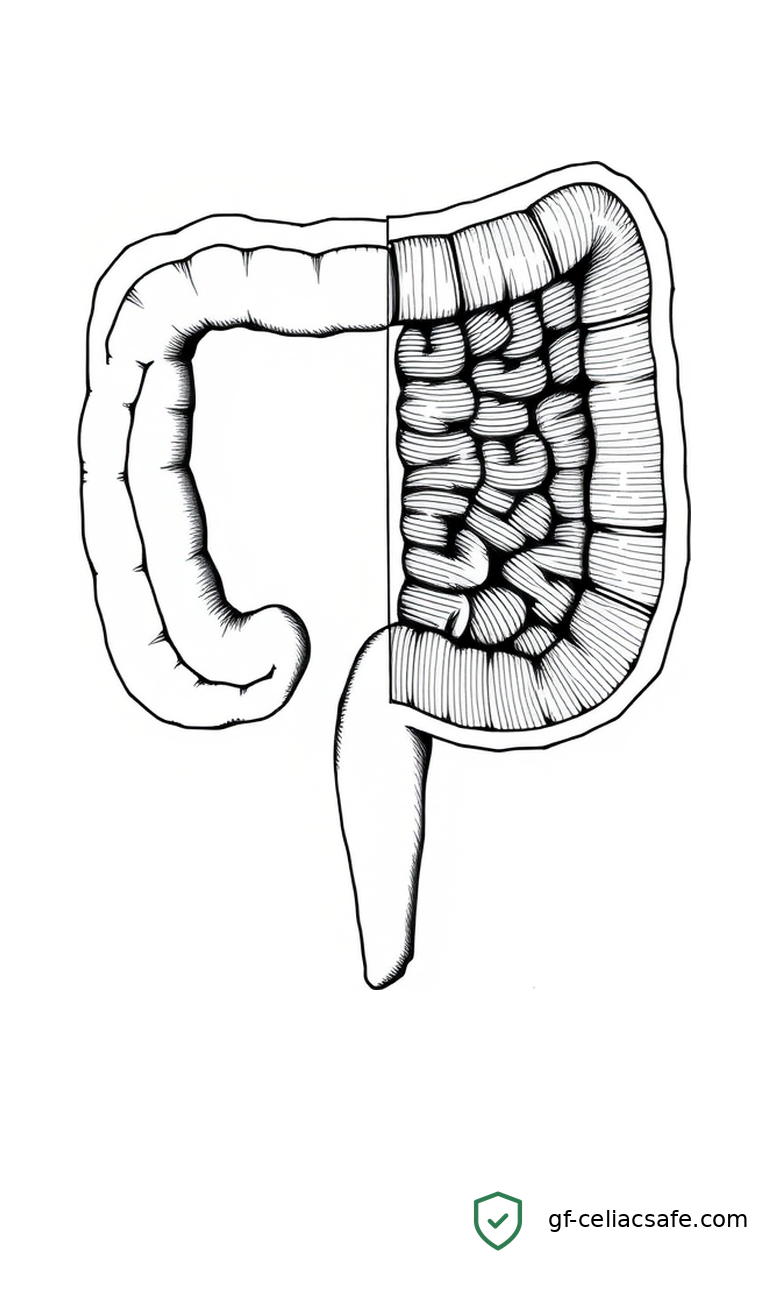
New research finds celiac disease affects 1 in 100 residents of Northwest China—and appears six times more often in people with kidney disease.

Colombian entrepreneur Pilar Rengifo built The Choclo around naturally gluten-free Andean corn. Here's why this business model matters for celiac families.

New research links food insecurity and disordered eating attitudes to worse GFD adherence, more symptoms, and lower quality of life in celiac patients.

New research documents the psychological and social burden women with celiac disease carry—and finds it extends far beyond dietary restrictions.

New lab research finds black soybean peptides may reduce the oxidative damage gluten causes in celiac intestinal cells — what this early finding means for families.
A new study found 42.6% of children with celiac disease also have ARFID, a serious food-avoidance disorder tied to lower weight, weaker bones, and higher anxiety. What parents should know.

A new matched cohort study confirms celiac disease raises long-term risks of heart disease, lymphoma, and death—and why strict GF adherence is the best protection.
New research follows children with positive celiac tests but no intestinal damage — and finds outcomes vary widely among kids with potential celiac disease.
A new study tracks nutrition in celiac children after diagnosis, finding 1 in 4 still vitamin D deficient and overweight rates more than doubled at 12 months.
A Philadelphia biotech raised $15.1M to develop cell-based therapies for autoimmune disease. Here's what that investment signals for celiac families watching the treatment pipeline.
A new review in Autoimmunity Reviews shows celiac disease disrupts gut bacteria in ways the gluten-free diet doesn't fully reverse—and points toward new treatments.
New research shows IFABP blood levels track real intestinal healing in celiac disease—detecting gut damage even when standard antibody tests look normal.

A new case report shows undiagnosed celiac disease can cause Wernicke encephalopathy — a brain disorder doctors typically attribute to alcohol dependence.

A new study finds 20% of children diagnosed with celiac have the ultra-short variant—and standard biopsies miss them. Here's what families should know.

A large Spanish multicenter study from GETECCU examines how having celiac disease changes the clinical course of inflammatory bowel disease—and why that matters for families.

New research finds children with celiac disease have more sleep problems — and those not following a gluten-free diet sleep worst of all.

New computer modeling reveals how two underexplored genetic variants — HLA-DQ5 and DQ9 — can drive celiac disease in patients who lack the classic risk genes.

Almond & Berry in Rhinelander, WI just turned one. What a dedicated gluten-free bakery surviving in a small city tells us about celiac families and demand.

A controlled study finds celiac children score significantly higher on ADHD, cognitive disengagement syndrome, depression, and anxiety than peers without celiac.

A Danish nationwide study tracks sick leave before and after celiac diagnosis—putting hard numbers on a burden patients have described for years.

New research links persistent celiac symptoms to bacterial overgrowth in the small intestine—not gluten exposure. Here's what celiac families need to know.

A university in India's celiac hotspot secures new research funding. Here's why global celiac science—from unexpected places—matters for patients and families everywhere.

FDA approval alone won't get new celiac treatments to patients. Here's what the 2026 National Celiac Disease Policy Symposium revealed about the real challenge ahead.
New research shows children with type 1 diabetes or thyroid disease are far more likely to have asymptomatic celiac—making targeted screening essential.
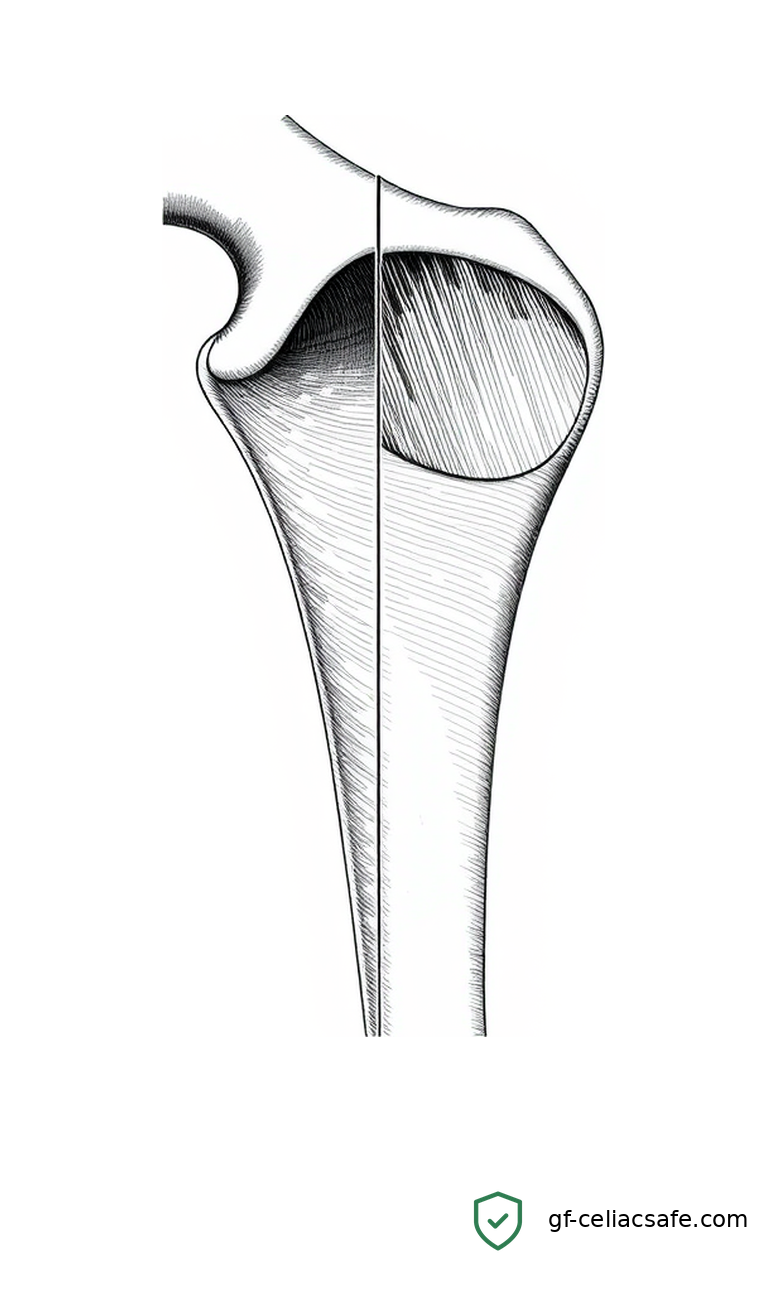
New research shows celiac disease alters bone shape and structure at the hip, raising fracture risk beyond what standard bone density tests reveal.
Labs calibrating celiac blood tests have struggled with scarce reference samples. New synthetic antibodies may finally fix that gap in diagnostic accuracy.
A new review identifies exosomes as key players in celiac disease, with potential as non-invasive biomarkers for diagnosis and targets for new treatments.

Djokovic's gluten-free transformation is inspiring — but celiac families need to understand the key difference between his condition and theirs.
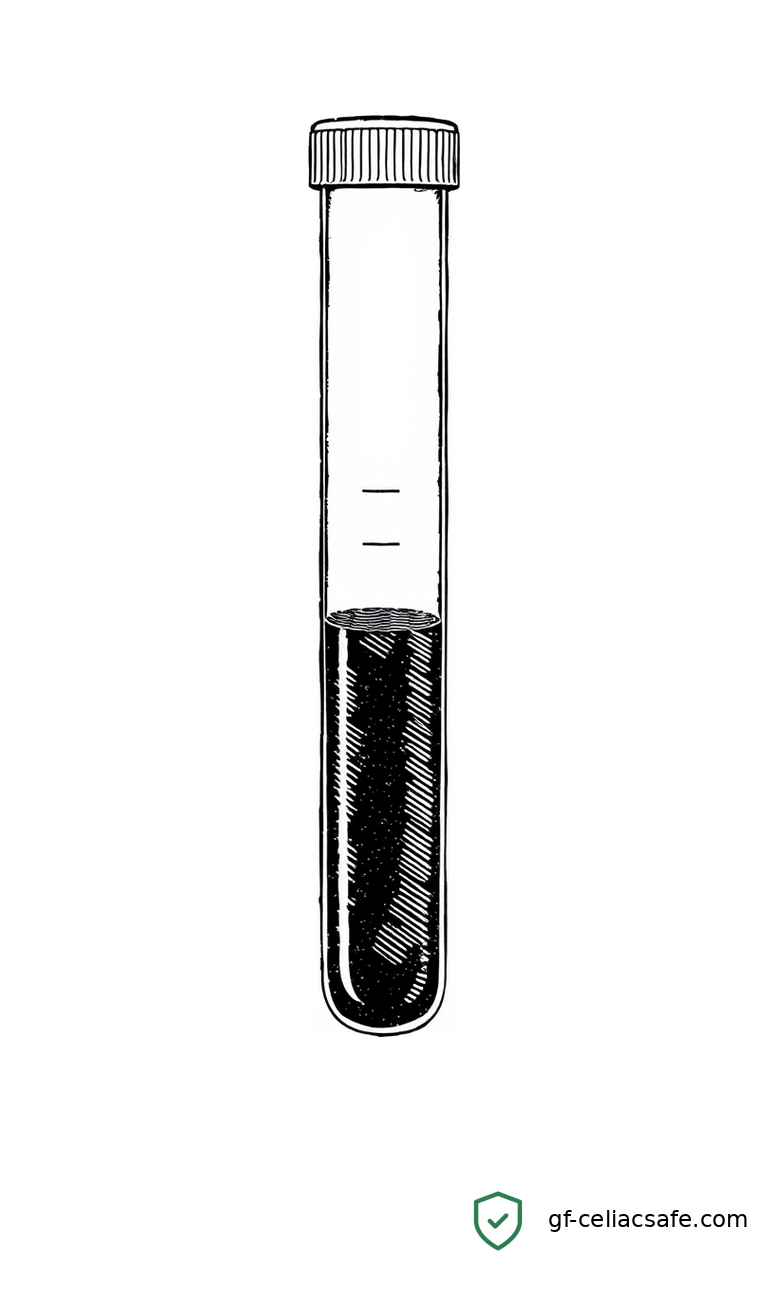
Research shows the 10x celiac antibody threshold catches only 1 in 6 patients with intestinal damage, despite near-perfect accuracy when it does fire.
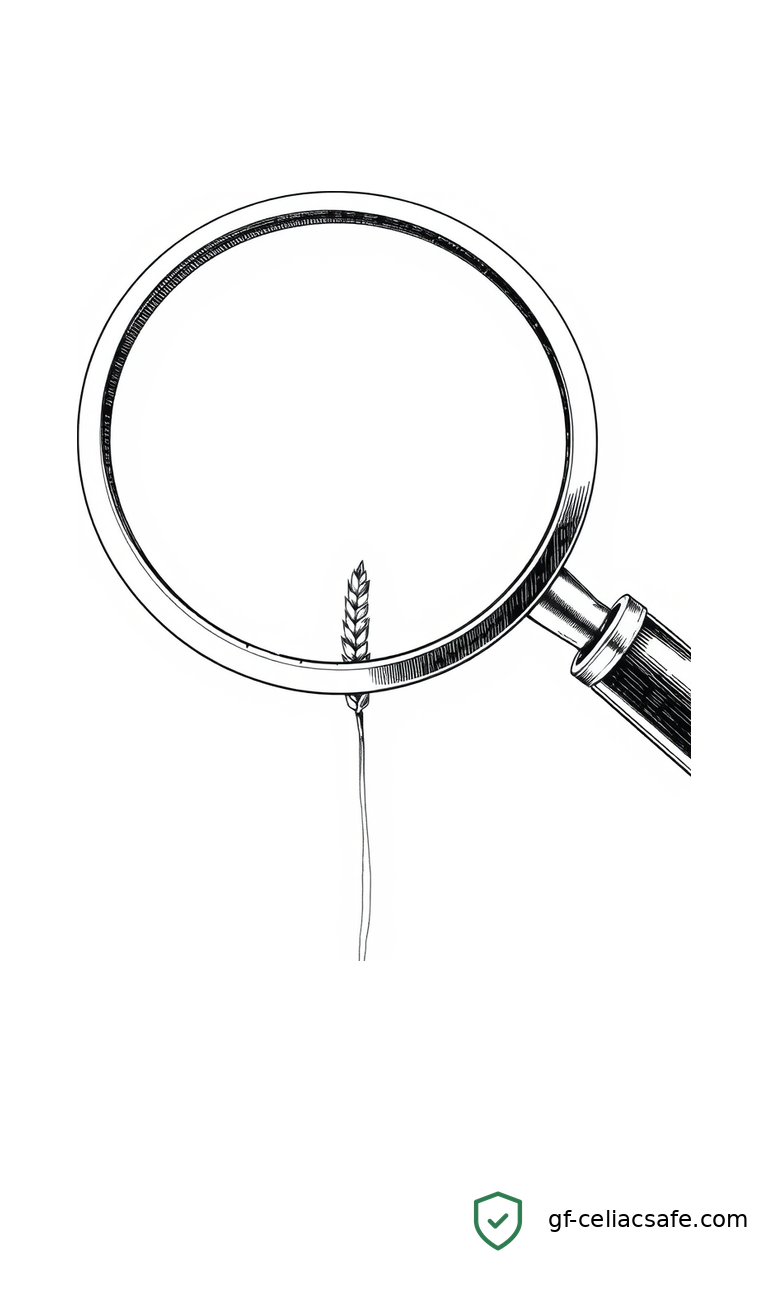
A new prospective study finds celiac disease hiding behind IBS diagnoses—and identifies the clinical warning signs that should prompt doctors to test.

A new Swedish study challenges the theory that early antibiotic use raises celiac disease risk—what the findings mean for celiac families who've carried that worry.
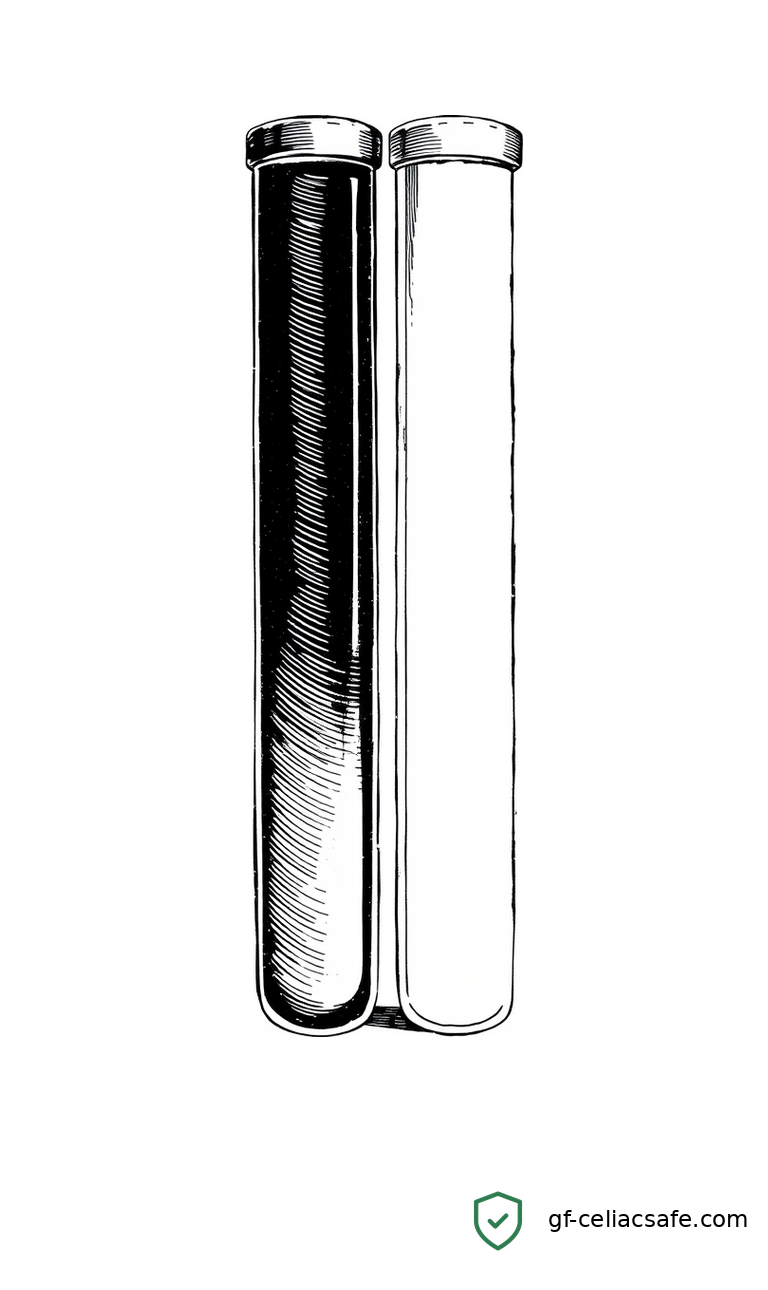
New research shows celiac antibody levels fluctuate in kids with T1D, making single screenings unreliable. What families need to know about ongoing monitoring.

A Yale study using NIH's All of Us database examines whether atopic dermatitis (eczema) and celiac disease occur together more often than chance. Here is what it means for families.

A new COVIMPACT study in Nutrients maps the social and behavioral factors that drove psychological distress in celiac patients during the COVID-19 pandemic.

A new review examines emerging celiac treatments targeting immune pathways—potential options for patients who struggle with the gluten-free diet alone.

A large Swedish study finds celiac disease patients face increased risk of death, cardiovascular disease, and certain cancers—even after diagnosis and treatment.
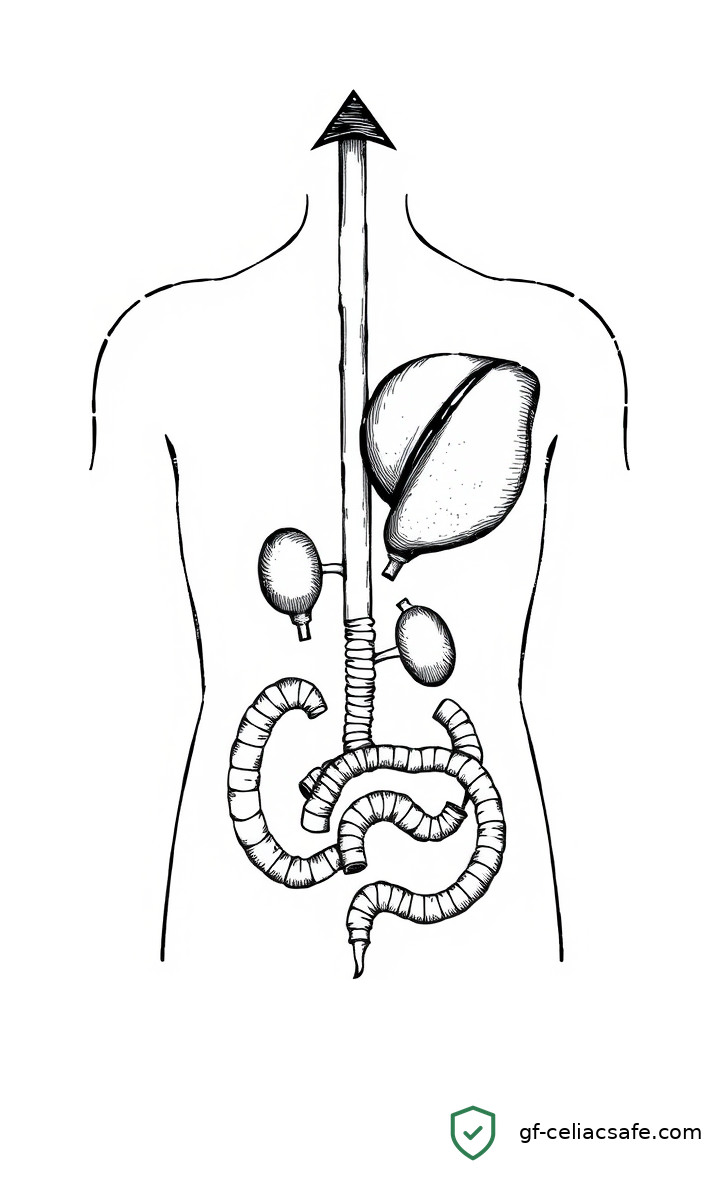
A Swedish study tracking 48,000 celiac patients found they face 60% higher risk of needing kidney or liver transplants compared to the general population.

New research shows ARFID, a restrictive eating disorder, is surprisingly common in both children and adults with celiac disease and gluten sensitivity.

New research shows that skipping a duodenal bulb biopsy can cause doctors to miss celiac disease in children with low antibody levels—a diagnostic blind spot.
New ultrasound imaging reveals increased blood flow in parotid glands of children with celiac disease, suggesting subclinical inflammation beyond the gut.

New data analysis reveals distinct celiac subtypes in children based on antibodies, intestinal damage, and other conditions—opening doors to personalized care.

Research finds gluten exposure through kissing is extremely low risk for celiac patients—even immediately after a partner eats gluten.
New Norwegian research challenges assumptions about omega-3s and celiac disease risk, finding no protective effect in a large study of infants.
New research finds two urinary microRNAs combined with a protein test can diagnose pediatric celiac disease without blood draws or invasive procedures.

New research examines how celiac disease affects body image and emotional awareness in adults, revealing connections that matter for mental health support.

New research confirms how long couples should wait after gluten exposure before kissing safely—and the answer is simpler than many families expect.

New research reveals how flawed screening criteria in celiac drug trials may cause them to fail—not because the drugs don't work, but because they're testing the wrong patients.
A newly engineered enzyme called celiacase degrades immunogenic gluten peptides by up to 99% in lab tests, offering hope as a therapeutic adjunct to the gluten-free diet.
New research identifies molecules that could neutralize gluten before it triggers immune damage—what this means for celiac families.

A corrected Mendelian randomization study on gut microbiota and celiac disease reminds us why scientific rigor matters for the celiac community.

New research reveals 44% of patients with dermatitis herpetiformis (celiac disease of the skin) experience neurological issues, highlighting the systemic nature of celiac disease.

New research identifies perinatal and lifestyle factors that influence childhood liver enzyme levels, potentially flagging early metabolic disease risk.
New AI-driven research aims to standardize how pathologists read celiac biopsies, potentially reducing misdiagnosis and speeding up treatment.

New research finds girls with celiac disease have lower muscle mass and higher body fat than peers, even while following a gluten-free diet.

A new comprehensive review highlights why celiac disease is underdiagnosed and why the gluten-free diet remains the only treatment option.
An experimental drug shows promise for treating celiac disease beyond the gluten-free diet. What celiac families should know about this development.

New research reveals intestinal cells actively contribute to celiac disease onset, not just suffer damage. What this means for prevention and treatment.
Italian study finds denosumab effectively increases bone density in celiac patients with osteoporosis, offering hope for those at high fracture risk.
New meta-analysis reveals the gluten-free diet affects lipid profiles differently in children versus adults with celiac disease. What parents need to know.

New research explores how genetic variations in antibody genes may influence the immune response in celiac disease, offering clues for future treatments.

Columbia study finds kissing after gluten consumption poses minimal risk. Drinking water first eliminates detectable gluten transfer entirely.
Genetic analysis reveals celiac disease may increase risk of pulmonary arterial hypertension. What celiac families should know about this connection.

New research confirms what celiac families know: fatigue persists, quality of life suffers, and follow-up care is inconsistent. Here's what it means.

New research reveals what helps celiac patients stick to their gluten-free diet—and the barriers that make adherence so difficult.
New genetic research suggests celiac disease may be linked to lower Alzheimer's risk. What this means for celiac families and future research.

University of Cincinnati research reveals gut microbiome differences may influence celiac disease development, offering new clues for prevention.

A common blood pressure drug can cause intestinal damage identical to celiac disease. Here's what celiac families need to know about olmesartan.

New research quantifies the emotional and social burden on parents of celiac children. Here's what the data reveals and why it matters.
Scientists discover specialized intestinal cells that play a key role in triggering the celiac immune response, opening potential new paths for treatment.
A major review outlines promising celiac disease treatments in development, from gluten-digesting enzymes to immune tolerance therapies.
The Medical University of South Carolina breaks down celiac disease diagnosis and long-term health effects. Here's what it means for our community.

The DAISY Study is recruiting adults with celiac disease who have symptoms despite a gluten-free diet. Travel compensation included.
UC Davis researchers used gene editing to remove gluten proteins harmful to people with celiac disease. Here's what this breakthrough could mean for families.
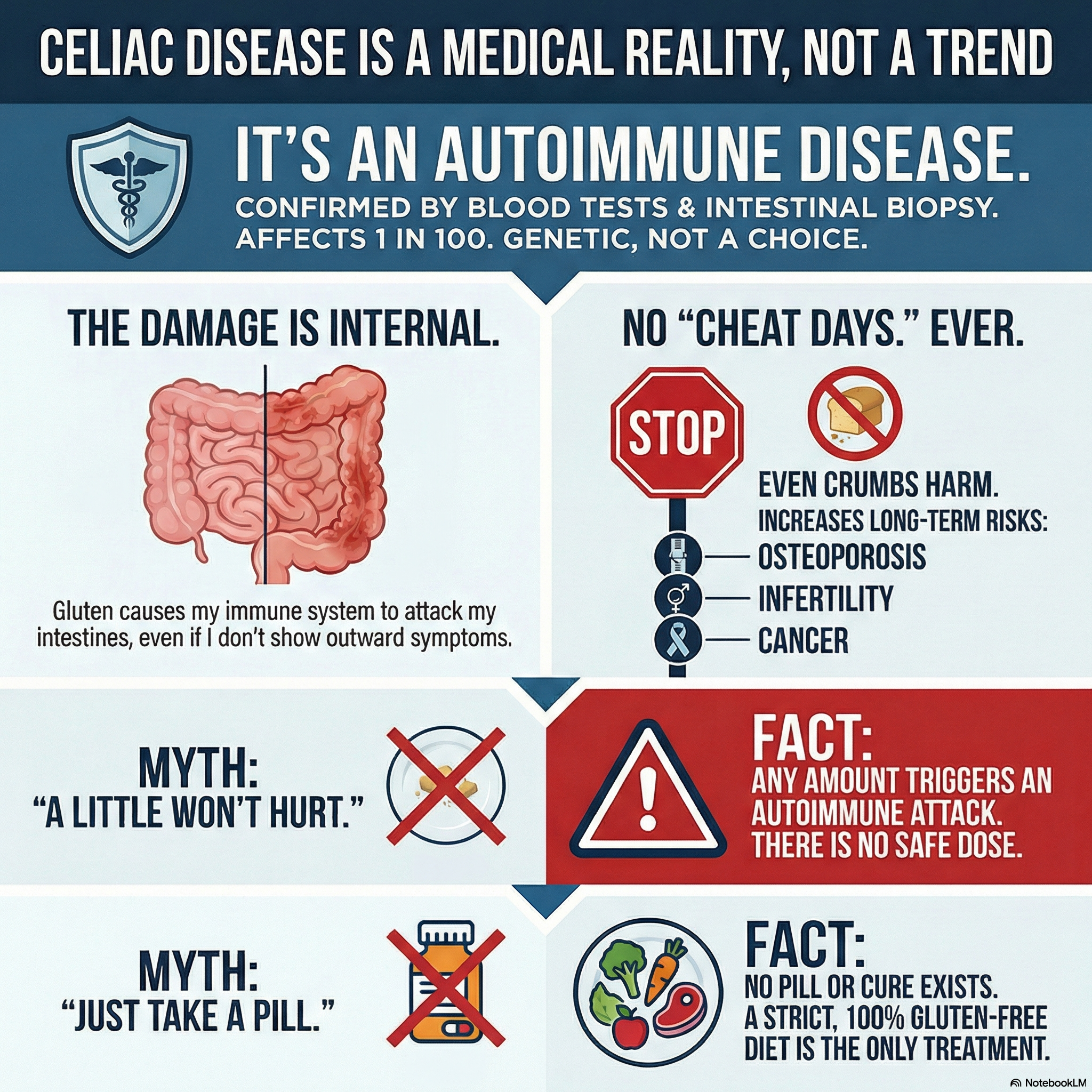
What gluten is, how it damages the celiac intestine, hidden sources, and why FDA standards may not protect everyone.
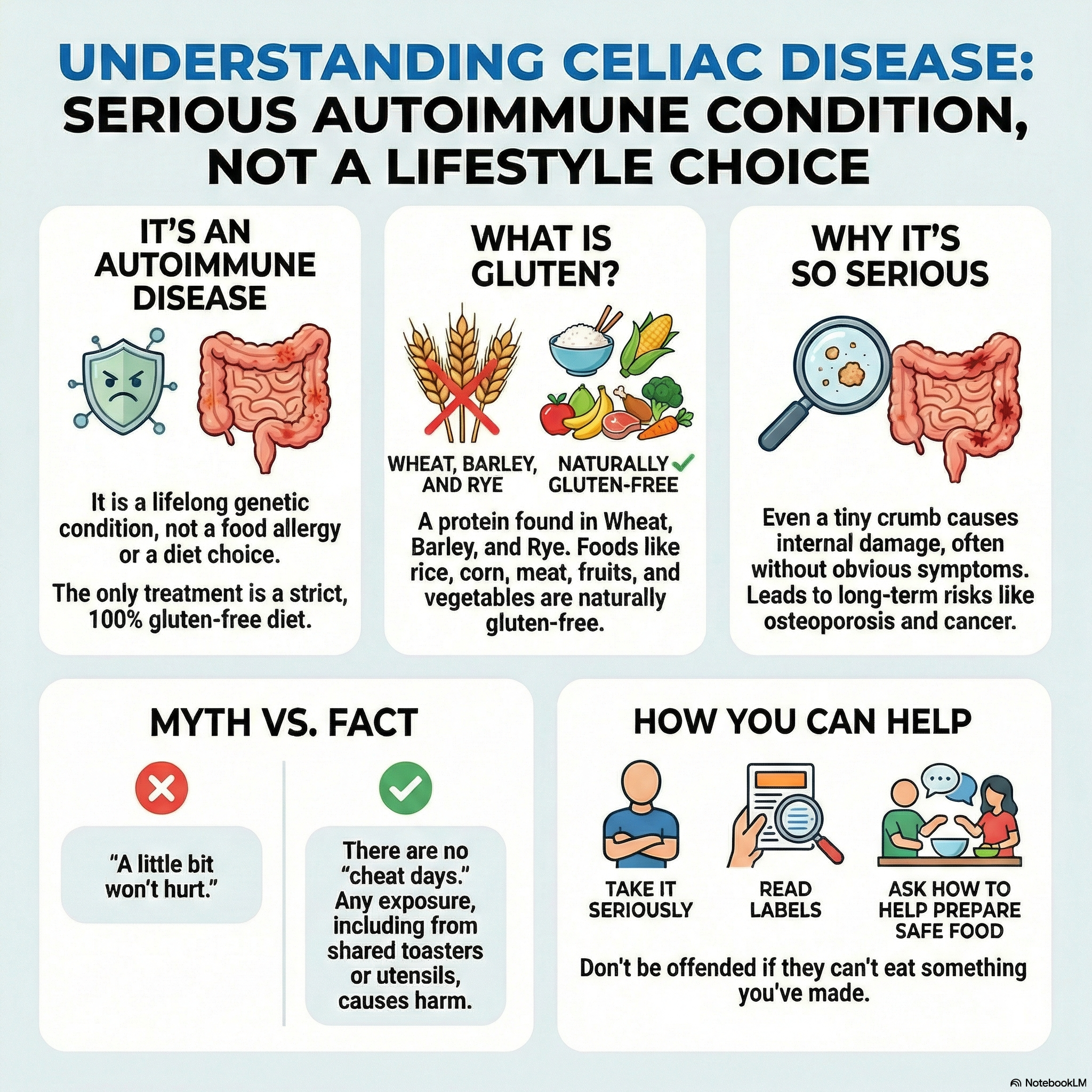
Celiac disease explained: autoimmune condition, symptoms, diagnosis, and why 'gluten-free' isn't always safe enough.