Jennifer Esposito is sharing more details about what her life looked like before she was finally diagnosed with celiac disease — and the specifics are striking.
In a new interview covered by Just Jared, the actress describes agoraphobia so severe she couldn’t leave her home, suicidal thoughts, and losing a tooth — all before anyone identified the real cause. We’ve previously covered her psychiatric hospitalization and the panic disorder misdiagnosis that preceded her celiac diagnosis. These newer details fill in a picture the celiac community needs to see clearly.
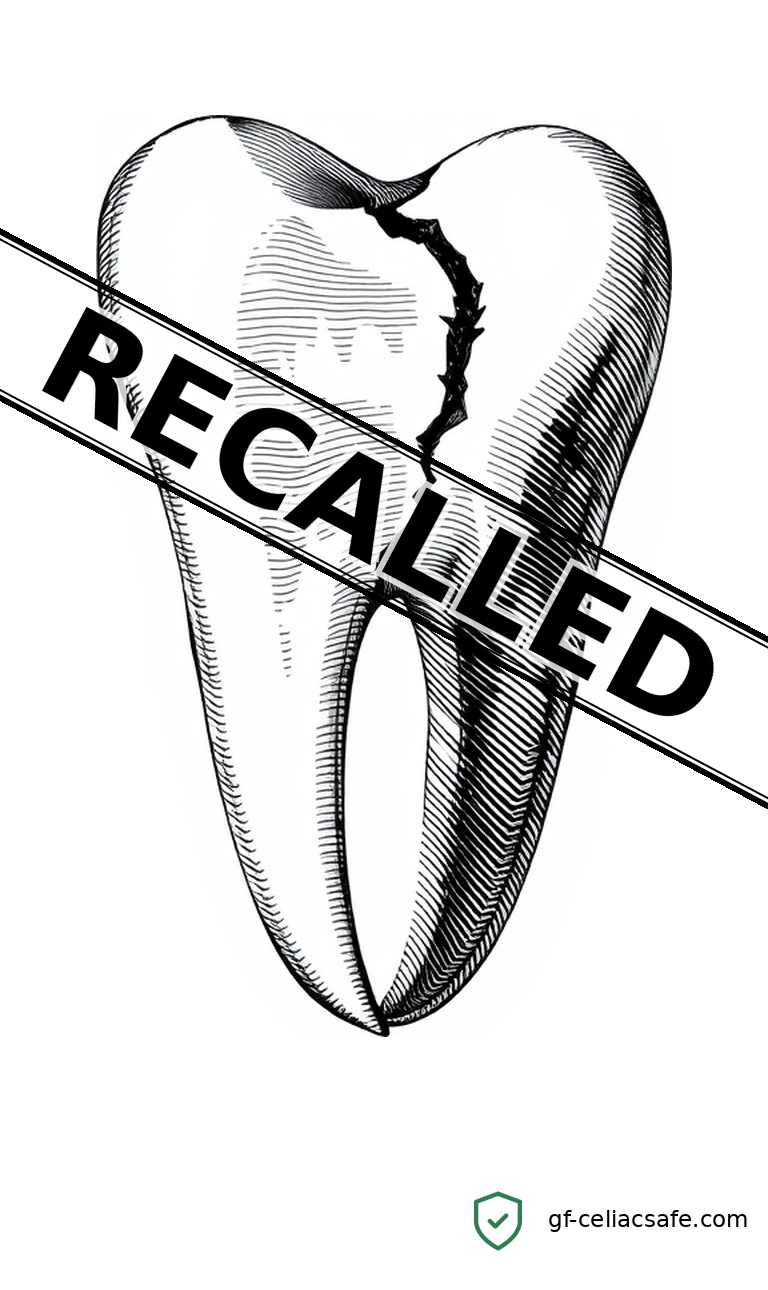
The Tooth Detail That Deserves More Attention
Losing a tooth sounds like a dental story. It isn’t.
Dental enamel defects are a well-documented manifestation of celiac disease — both in children whose enamel forms during years of undiagnosed malnutrition, and in adults whose absorption of calcium and vitamin D is chronically disrupted. Teeth weaken. They fracture. They fall out. And the dentist treats the tooth while no one asks why the enamel failed in the first place.
For Esposito, this was apparently one more visible sign that went unread while the underlying disease went undetected. That gap is common. It’s also why gastroenterologists, dentists, and primary care providers all need to know the full range of celiac presentations — not just the classic digestive ones.
When the Brain Becomes the Symptom
The agoraphobia and suicidal thoughts Esposito describes are harder to sit with, but they fit a documented pattern. Undiagnosed celiac disease can drive anxiety, depression, and cognitive disruption through a combination of malnutrition, gut-brain axis dysfunction, and neurological inflammation triggered by ongoing gluten exposure. Patients who present with severe psychiatric symptoms that don’t respond to standard treatment sometimes have an underlying physical condition that was never identified.
Esposito ended up hospitalized in a psychiatric ward. The experience was, by her account, excruciating. It was also the wrong setting for what was actually wrong with her.
This failure — treating the psychiatric manifestation while missing the systemic cause — is not unique to her case. It happens to celiac patients across specialties, across decades, and across income levels. Fame didn’t protect her from a delayed diagnosis; it just means her account reaches more people.
What Newly Diagnosed Patients and Families Should Hear
If you or someone in your family has just received a celiac diagnosis after years of unexplained symptoms — including mental health symptoms — Esposito’s account offers something concrete: the confusion was not weakness. Celiac disease is systemic. It reaches the brain, the bones, the skin, the teeth, and the gut, often causing damage long before the gastrointestinal picture becomes obvious enough for a doctor to order the right tests.
As a celiac parent, I find her willingness to name these specific symptoms — agoraphobia, suicidal ideation, a lost tooth — genuinely useful. The celiac community needs visible examples of what delayed diagnosis actually costs. These aren’t edge cases. They are the disease doing what it does when no one catches it in time.
Related Coverage
- Blue Bloods Alum Jennifer Esposito Recalls Being Sent to Psych Ward amid Struggle with Celiac Disease
- Blue Bloods Star Jennifer Esposito Recalls Being Sent to Psych Ward amid Severe Health Problems
- Jennifer Esposito Details ‘Excruciating’ Psych Ward Visit Following Panic Disorder Misdiagnosis
References
- Just Jared via Google News: Jennifer Esposito Recalls Agoraphobia, Suicidal Thoughts, Losing a Tooth & Psych Ward Visit Amid Celiac Diagnosis — Published August 16, 2026