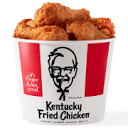
KFC is not safe for celiacs. The signature fried chicken is breaded in wheat flour, and shared fryers and prep surfaces spread that gluten across the whole menu.
The answer is no. KFC is not celiac-safe.
KFC’s entire identity is built around wheat. The signature fried chicken is coated in seasoned wheat flour, breaded and fried in kitchens where that flour gets everywhere. There are no dedicated gluten-free fryers, no separated prep areas, and no celiac protocols. For someone with celiac disease, a KFC kitchen is one of the most gluten-saturated environments in fast food.
Why KFC Isn’t Safe
Wheat Flour Is Everywhere: KFC’s Original Recipe and Extra Crispy chicken are breaded in wheat flour. Breading chicken throws flour into the air and onto every surface, glove, and utensil. Airborne and settled flour contaminates the whole workspace, not just the breading station.
Shared Fryers: The fried chicken, popcorn chicken, tenders, and fries all go through shared fryer oil that is thick with wheat breading. Anything that touches that oil is contaminated, including potato-based sides.
Shared Prep Surfaces: The same counters, tongs, and gloves move between breaded chicken and every other item. There is no isolation between gluten-containing and gluten-free components.
No GF Protocols: KFC does not offer dedicated equipment, certified gluten-free items, or any celiac-specific handling.
Menu Breakdown
There’s a difference between items that don’t list gluten as an ingredient and items that are safe with celiac disease. At KFC, the breaded chicken makes the whole kitchen unsafe, so even gluten-ingredient-free items can’t be trusted.
Items with no gluten ingredients (but still NOT safe due to cross-contact):
- Grilled chicken, where available (limited and not offered at all locations)
- Some sides like green beans or corn on the cob (always confirm preparation)
- Plain produce and certain coleslaw or potato preparations individually
Even Kentucky Grilled Chicken, where it’s offered, is prepared in the same kitchen where wheat-breaded chicken is handled constantly. Grilled options are limited, inconsistent across locations, and never isolated from the breading process.
Items that clearly contain wheat/gluten:
- Original Recipe and Extra Crispy fried chicken (breaded in wheat flour)
- Chicken tenders, popcorn chicken, and nuggets
- Biscuits, sandwiches, wraps, and pot pie
- Gravy (typically thickened with wheat)
- Anything fried in the shared fryer, including fries by cross-contact
The biscuits and gravy deserve a special warning—both are wheat-based and handled across the same surfaces as everything else.
What Actually Works
Pack your own food: Bring sealed, certified gluten-free food made in a dedicated kitchen. In a kitchen this saturated with flour, that’s the only reliable option.
Eat before or after: Skip the meal and eat on your own terms. There’s no obligation to eat at a stop that can’t serve you safely.
Advocate for change: The Sealed Meals Initiative is pushing fast-food chains to offer sealed, certified celiac-safe meals heated in their own packaging—never touching shared surfaces or fryers.
Learn more about Sealed Meals →
The Bottom Line
KFC is fried chicken, and that chicken is breaded in wheat. The flour ends up on every surface, in the air, and in the shared fryer oil. Even the handful of grilled or side options are prepared in the middle of all that. There is no version of a KFC meal that’s celiac-safe.
You might eat there and not feel sick. With celiac disease, no acute reaction doesn’t mean no harm—trace gluten still drives the immune response that damages your intestines.
For people with celiac disease, KFC is not safe.
Related Guides
- Is McDonald’s Safe for Celiacs?
- Is Chipotle Safe for Celiacs?
- Is Chick-fil-A Safe for Celiacs?
- Is Taco Bell Safe for Celiacs?
- Is Subway Safe for Celiacs?
Sources
- KFC Nutrition & Allergen Information — the chain’s official allergen and ingredient information
- Celiac Disease Foundation: Dining Out — guidance on cross-contact and eating away from home
- Beyond Celiac: Cross-Contamination — how trace gluten exposure affects people with celiac disease
Last fact-checked: June 23, 2026