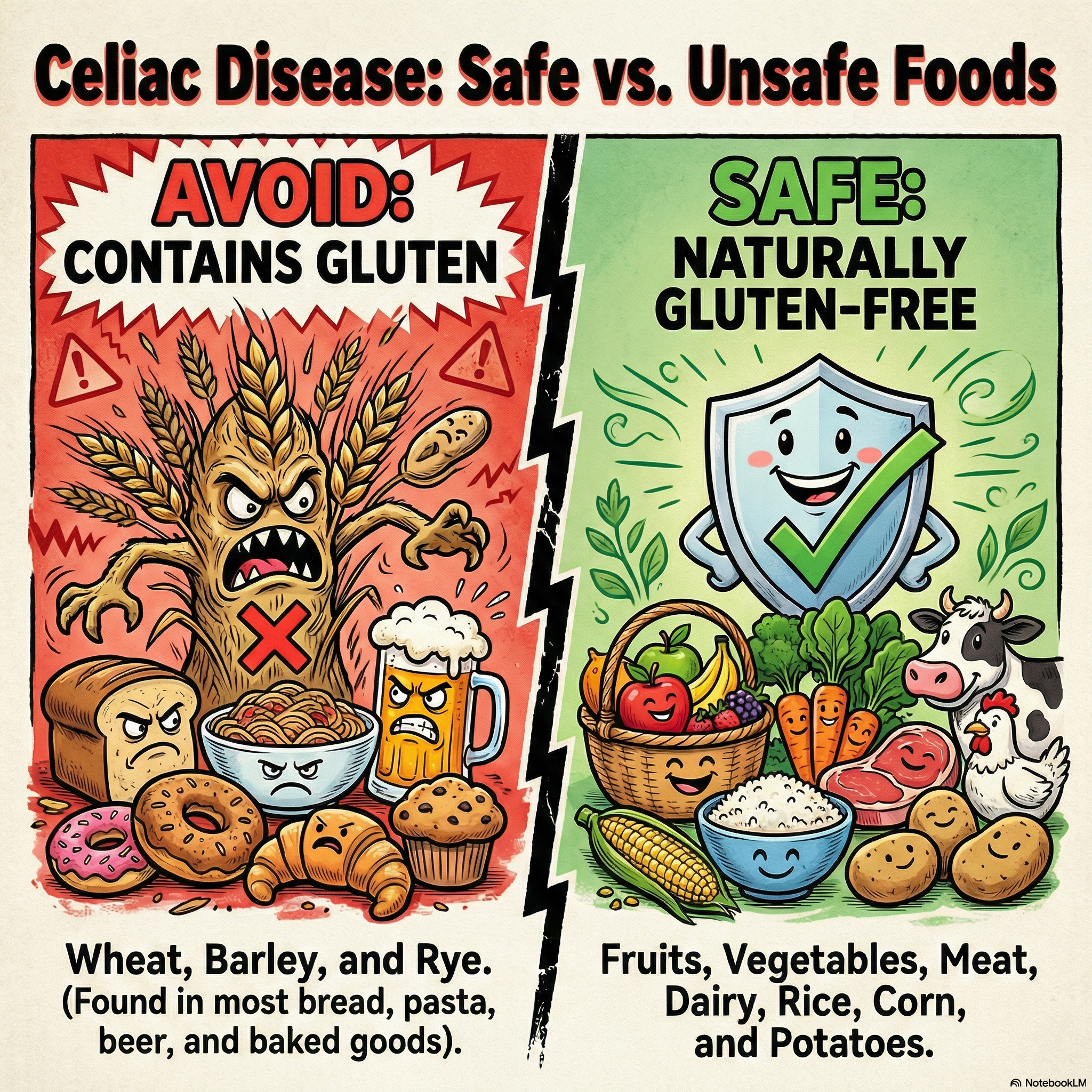
 Know your safe and risky foods before you travel
Let’s start with an uncomfortable truth: traveling with celiac disease means accepting that you can’t eat like everyone else. The sooner you embrace this, the better your travels will be.
This guide won’t pretend that airport restaurants are safe or that asking questions makes fast food okay. Instead, it focuses on what actually works: preparation, self-sufficiency, and realistic expectations. If you haven’t already, read our dining out with celiac guide for the fundamentals of communicating with restaurants—those skills become even more important on the road.
The Celiac Traveler’s Mindset
Before we get into specifics, adopt this mindset:
- You are responsible for your own food supply. Don’t rely on airlines, hotels, or restaurants.
- “Gluten-free menu” does not mean celiac-safe. Ever.
- Going hungry for a meal is better than getting glutened. A few hours of hunger causes no damage. Gluten does.
- Pack more food than you think you need. Delays, cancellations, and limited options happen.
Before You Go
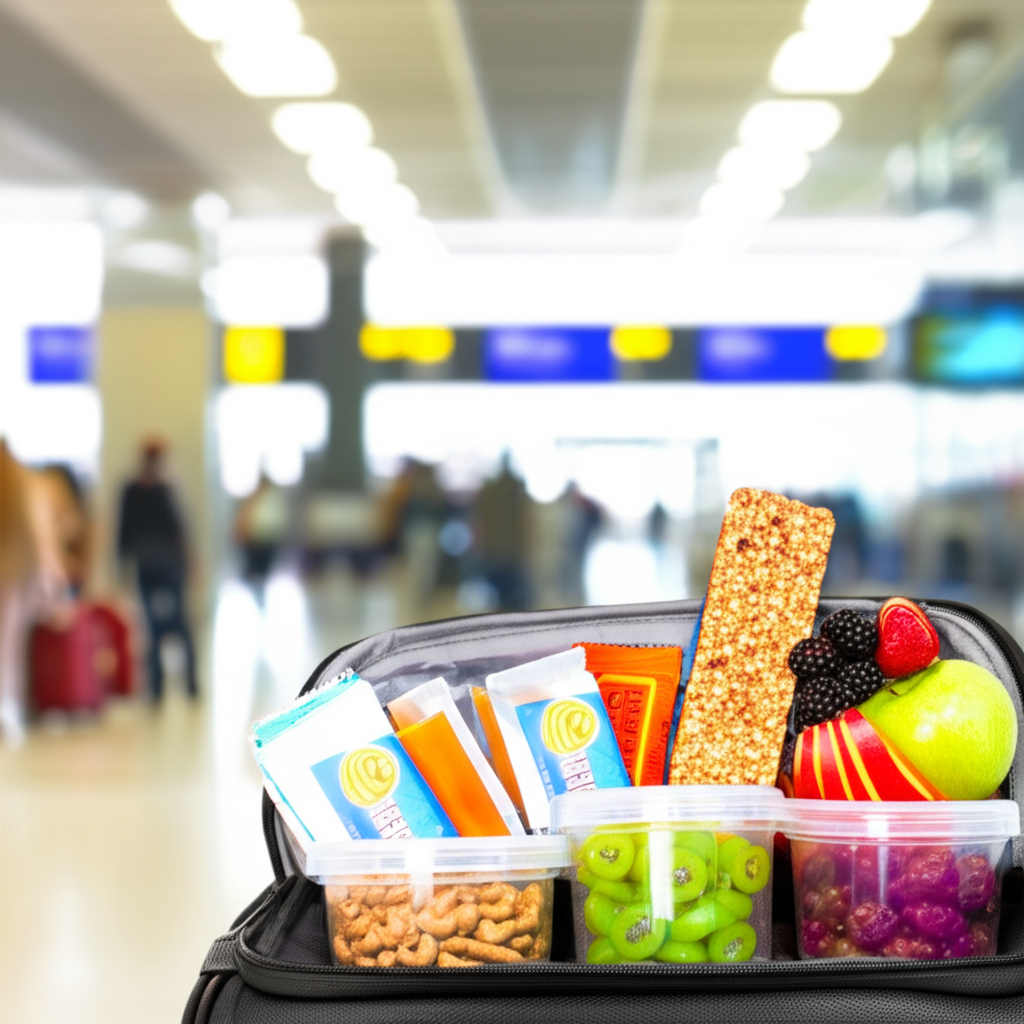 Being prepared with safe snacks is the key to stress-free celiac travel
Research Your Destination
Some destinations make celiac-safe living easier (not easy—easier):
More Manageable:
- Italy — Surprisingly good awareness; AIC certification program for restaurants
- Australia — Strong celiac community; good labeling laws
- UK — Excellent labeling; Coeliac UK venue guide
- Spain — Growing awareness; FACE certification
Naturally Celiac-Safe Staples:
- Mexico — Corn-based cuisine (verify no wheat flour in tortillas)
- Thailand — Rice-based (but soy sauce is everywhere—bring tamari)
- India — Many rice and lentil dishes (verify no wheat thickeners)
Challenging Destinations:
- China — Soy sauce and wheat noodles in nearly everything
- Germany — Beer and bread culture; limited awareness
- France — Flour in sauces; pastry culture
Learn Critical Phrases
Learn to say in your destination’s language:
- “I have celiac disease—this is a serious medical condition”
- “I cannot eat wheat, barley, rye, or oats”
- “Even small amounts will make me very sick”
- “Is this cooked in a separate pan/fryer?”
Better yet: Carry a restaurant card that explains your needs in detail. Celiac Travel offers cards in 50+ languages.
Book Smart Accommodations
Prioritize:
- Vacation rentals with full kitchens (our kitchen setup guide has tips for making any shared kitchen safe)
- Hotel suites with kitchenettes
- Locations near grocery stores
Contact ahead:
- Email hotels about breakfast options
- Ask cruise lines about their celiac protocols (many handle this well)
- Verify refrigerator availability in your room
Packing: Your Survival Kit
Non-Negotiable Snacks
Pack enough to survive 48+ hours without other food sources:
| Item | Why | Brand Examples |
|---|---|---|
| Protein bars | Meal replacement | RXBar, Larabar, GoMacro |
| Nuts/seeds | Calorie-dense, shelf-stable | Any (verify no malt) |
| Nut butter packets | Protein and calories | Justin’s, RXBar |
| Rice cakes | Carb base | Lundberg |
| Jerky | Protein | Country Archer, Chomps |
| Dried fruit | Quick energy | Any |
| gluten-free crackers | Versatile | Mary’s Gone Crackers, Simple Mills |
For Longer Trips
- Travel-size gluten-free pasta
- Instant certified gluten-free oatmeal
- Small bottle of tamari/coconut aminos
- Favorite gluten-free flour blend (for rental kitchens)
- Tea bags (some teas contain barley)
Documentation
- Medical letter from your doctor (helps with customs)
- Translation cards in destination languages
- Medication list (in case of emergency)
- Insurance information with international coverage
Technology
- Find Me Gluten Free — Restaurant reviews by celiac community
- Google Translate — Camera mode translates menus
- Maps offline — Download maps to find grocery stores without data
- Nima sensor — Optional; has limitations but some find it helpful
Airports and Flights
TSA and Security
According to TSA guidelines:
- Solid foods pass through easily
- Liquids over 3.4oz need declaration (hummus, nut butter jars)
- Medically necessary foods get allowances—bring your doctor’s letter
- Frozen gel packs allowed if frozen solid at screening
Airline Meals: The Reality
Book “gluten-free” meals 48+ hours ahead, but understand:
- Gluten-free meals sometimes don’t get loaded
- They’re prepared in catering facilities that handle wheat
- Quality ranges from acceptable to inedible
- Connecting flights may not have your meal
Bottom line: Treat airline meals as a bonus, not a plan. Pack enough food to skip them entirely.
Airport Food: Very Limited Safe Options
The reality: Airport restaurants and food courts are high-risk environments for cross-contact. Safe options are extremely limited.
Why airport restaurants are risky:
- High volume = rushed preparation
- Shared equipment across all menu items
- Staff turnover means inconsistent training
- Limited space makes separation impossible
What you CAN safely eat at airports:
- Food you brought from home
- Whole fruit (bananas, apples, oranges)
- Packaged nuts (check labels)
- Cheese sticks (check for malt flavoring)
- Certified gluten-free packaged bars (from your bag or convenience stores)
High-risk choices to avoid:
- Most restaurant food — shared prep surfaces make cross-contact likely
- Food court items — high-volume kitchens with minimal separation
- “Gluten-free” menu items — often prepared on shared equipment
Plan: Eat a full meal before leaving for the airport. Pack enough to get through your travel day without relying on prepared food.
Road Trips
The Pack-and-Go System
Before leaving:
- Pack a cooler with ready-to-eat meals
- Identify grocery stores along your route
- Note rest stops with convenience stores (for emergencies)
- Plan fuel stops at stations with attached grocery (Walmart, Target)
Cooler contents:
- Pre-made sandwiches on certified gluten-free bread
- Cut vegetables and hummus
- Cheese sticks
- Hard-boiled eggs
- Deli meat (verified GF)
- Fresh fruit
- Yogurt
- Cold drinks
Fast Food: Why It’s Never Safe
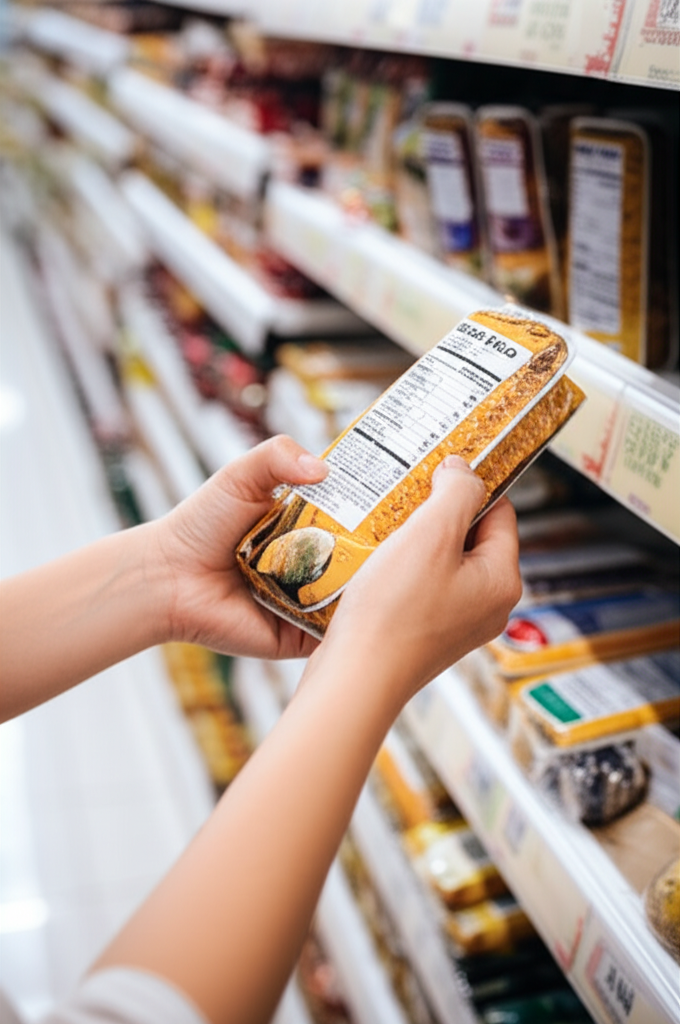 When in doubt, grocery stores are your safest option for finding verified gluten-free food
Fast food restaurants — even those with “gluten-free options” — present significant cross-contact risks for people with celiac disease.
The physics of fast food kitchens:
- Compact spaces where flour becomes airborne
- Shared grills, fryers, prep surfaces
- Same gloved hands touching everything
- No physical separation between gluten and “GF” items
Common misconceptions debunked:
| Myth | Reality |
|---|---|
| ”In-N-Out Protein Style is safe” | Same hands that touched buns touch your lettuce wrap |
| ”Chick-fil-A grilled nuggets are GF” | Prepared on shared equipment with breaded items |
| ”Chipotle is celiac-friendly” | Tortilla chips fried in shared oil; cross-contact throughout |
| ”Wendy’s baked potatoes are safe” | Prepared in same kitchen with shared utensils |
What to do instead:
- Grocery stores — Every town has one. Produce, deli, packaged foods.
- Gas station emergency kit — Bananas, nuts, cheese sticks
- Skip the meal — A few hours of hunger won’t harm you. Gluten will.
“But what if I’m really stuck?”
With solid planning, these situations are rare. But if you find yourself without safe food, a gas station typically has fruit and nuts. Going a few hours without a meal is uncomfortable but causes no harm — accidental gluten exposure does.
International Travel
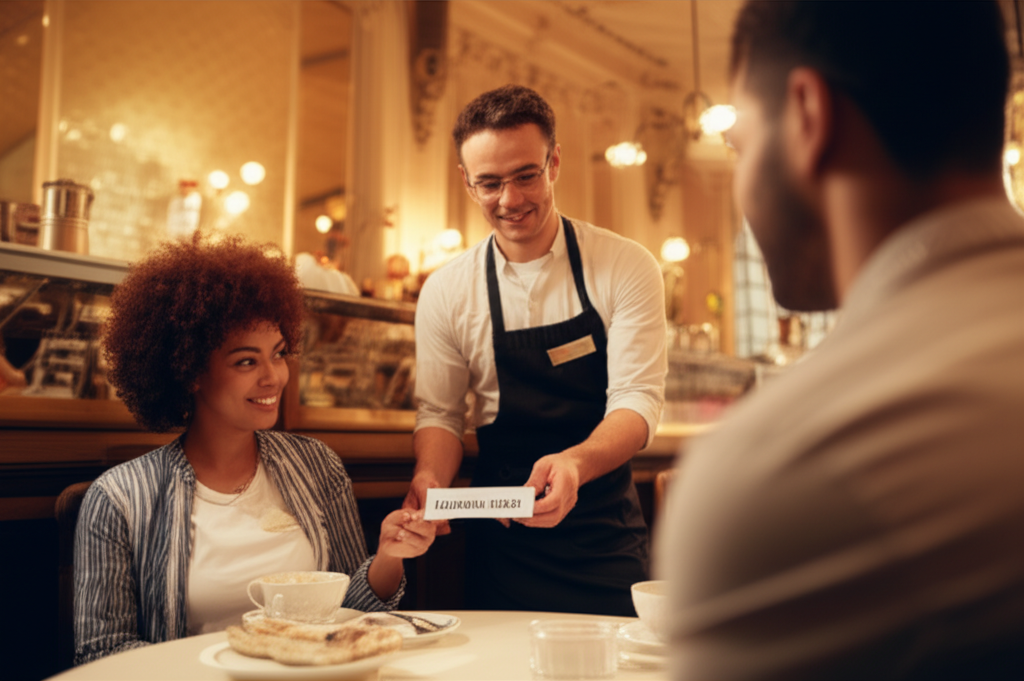 Translation cards and clear communication help navigate dining abroad
Customs and Food
Labeling standards vary significantly by country. Our gluten-free labeling laws guide explains what “gluten-free” actually means under different regulatory frameworks.
Generally allowed:
- Commercially packaged, sealed foods
- Dried goods
- Nuts and seeds in original packaging
Often restricted:
- Fresh produce (varies by country)
- Meat products
- Dairy
Tips:
- Keep foods in original packaging
- Declare when asked
- Carry your medical letter
Country-Specific Notes
Italy
- AIC (Associazione Italiana Celiachia) certifies restaurants
- Look for “senza glutine” or crossed-grain symbol
- Pharmacies sell certified gluten-free products
- More Italian celiacs per capita than most countries = better awareness
Japan
- Soy sauce contains wheat—bring tamari
- Rice is safe; verify sushi rice vinegar is wheat-free
- Learn “komugi” (小麦 = wheat)
- Some restaurants offer gluten-free soy sauce on request
UK
- Excellent labeling laws
- Supermarkets have “Free From” sections
- Coeliac UK has venue guide app
- Higher celiac awareness than US
Australia
- Strong celiac community
- Coeliac Australia endorsements
- Excellent labeling (must declare if >20ppm)
- Many 100% gluten-free cafes in major cities
Restaurant Strategies Abroad
Even in celiac-aware countries, restaurant dining carries risk. If you choose to eat out:
- Show translation card first — Before looking at the menu
- Speak with a manager or chef — Not just the server
- Ask specific questions:
- “Is this prepared in a separate area?”
- “Do you use a dedicated fryer?”
- “Can you change gloves and use clean utensils?”
- Order simply — Plain grilled protein, plain rice, steamed vegetables
- Accept that risk remains — No amount of communication changes the kitchen’s physical setup
Cruises and All-Inclusives
Cruise Ships
Most major cruise lines handle celiac disease relatively well:
Before boarding:
- Notify the cruise line when booking
- Request meeting with head chef/waiter for embarkation day
- Ask about their specific protocols
Onboard:
- Review menus the night before
- Request items prepared separately
- Be consistent with your assigned dining room (staff learn your needs)
- Buffets are high cross-contact risk—use room service instead
Cruise lines with good celiac protocols (per community reports):
- Royal Caribbean
- Celebrity
- Disney
- Norwegian
All-Inclusive Resorts
Before booking:
- Email directly (not through booking sites) about celiac accommodations
- Ask specifically about dedicated gluten-free prep areas
- Inquire whether they have GFCO or equivalent certified products
On-site:
- Meet with F&B manager or chef on arrival
- Identify safe stations at buffets (often a dedicated area)
- Consider room service for lower-risk meals
- Bring backup snacks regardless of promises
Emergency Planning
If You Get Glutened
Symptoms vary, but general management:
- Stay hydrated
- Rest when possible
- Eat simple, known-safe foods (rice, banana, chicken)
- Consider activated charcoal or digestive enzymes (effectiveness varies by person)
- Know where medical facilities are located at your destination
If Safe Food Isn’t Available
Priority order:
- Grocery store — Produce, plain proteins, certified gluten-free packaged foods
- Hotel room service — Request plain preparation (still risky but more controllable)
- Fast or skip the meal — This is always an option and causes no harm
Never compromise by eating questionable food. The consequences last far longer than the hunger.
Coming Home
What to Bring Back
- Gluten-free specialty products unique to your destination
- Successful restaurant cards to share with the community
- Notes on what worked for future trips
Share Your Knowledge
- Review restaurants on Find Me Gluten Free
- Post experiences in celiac travel communities
- Help the next celiac traveler learn from your experience
Conclusion
Celiac-safe travel isn’t about finding restaurants that accommodate you—it’s about taking control of your own food supply. The travelers who have the best experiences are the ones who pack thoroughly, set realistic expectations, and don’t waste energy hoping restaurants will keep them safe.
The world is absolutely worth exploring. You just need to explore it with your own snacks. If travel also means navigating group dinners, work retreats, or family vacations, our guide to navigating social situations with celiac disease has strategies for those dynamics.
Pack your food. Research your destination. And go see the world.
Safe travels. Remember that situations change—always verify current information and trust your instincts about food safety.
Sources
- TSA. “What Can I Bring?” Transportation Security Administration. Accessed January 2026.
- Celiac Disease Foundation. “Traveling with Celiac Disease.” Accessed January 2026.
- Coeliac UK. “Eating Out and Travel.” Accessed January 2026.
- Find Me Gluten Free. Restaurant Reviews. Accessed January 2026.
- Celiac Travel. “Restaurant Cards.” Accessed January 2026.
- Biagi F, et al. “A gluten-free diet score to evaluate dietary compliance in patients with coeliac disease.” British Journal of Nutrition. 2009.