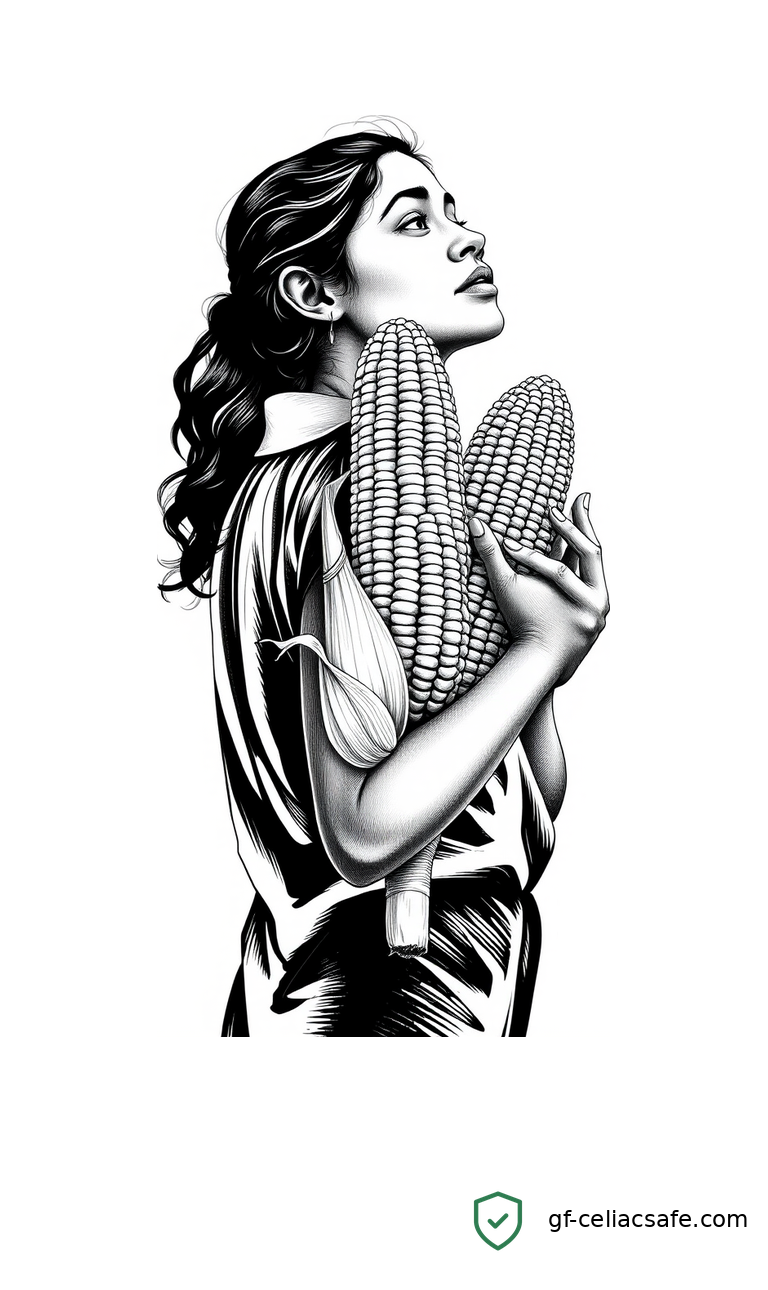
A Silicon Valley food business built entirely around a naturally gluten-free staple — not as an accommodation, but as the whole concept. That is the story of The Choclo, founded by Colombian entrepreneur Pilar Rengifo, as reported by ColombiaOne.com. The business centers on choclo — the large-kernel Andean corn native to Colombia, Peru, and Ecuador — bringing traditional South American street food to one of the most competitive culinary markets in the country.
For celiac families, the distinction in this business model is more significant than it might first appear. Most restaurants that offer gluten-free options are fundamentally wheat-based kitchens making accommodations. The Choclo is built on corn from the ground up.
What This Means for Celiac Families
When a restaurant’s core ingredient has never contained gluten, the risk picture changes. The biggest danger for celiac patients dining out is rarely a hidden ingredient on the menu — it is cross-contact, the transfer of gluten from wheat-based foods, surfaces, or utensils to otherwise safe dishes. A kitchen that rarely or never handles wheat is structurally safer than one making careful accommodations on a shared line.
That said, “naturally gluten-free ingredient” does not automatically mean “celiac safe.” Any food business can introduce cross-contact through shared equipment, preparation surfaces, suppliers who process wheat on shared lines, or staff moving between wheat-containing and wheat-free products. The corn itself may be safe, but celiac families should still ask the questions they always ask: Is this a dedicated gluten-free kitchen? Are the grills or fryers shared with anything containing wheat? Do any sauces or packaged seasonings contain gluten?
What makes The Choclo worth attention is what it represents as a model. Rengifo did not start with wheat and carve out gluten-free options — she built from a food tradition that predates wheat altogether. Indigenous Andean and Colombian cuisines are largely corn-based by heritage. Choclo, used in dishes like arepas, empanadas de pipián, and choclo con queso, is gluten-free by history, not by substitution. That is a fundamentally different starting point.
For celiac patients who are exhausted by being an afterthought — ordering off a separate menu, flagging their diagnosis to every server, hoping the kitchen takes it seriously — a business designed around a naturally safe ingredient is a different experience entirely. My son has celiac disease, and over the years our family has learned which restaurant categories are structurally safer by design. Latin American corn-based food is high on that list for a reason.
The Bigger Picture: Naturally Gluten-Free Cuisines Going Mainstream
The Choclo’s rise in Silicon Valley reflects a broader shift: entrepreneurs from cultures with naturally gluten-free food traditions are bringing those traditions into American mainstream markets, and celiac families are the beneficiaries.
South American corn-based food, Mexican cuisine centered on masa and corn tortillas, West African dishes built on rice and plantains, Indian street food using chickpea flour — these are traditions where gluten was never a central ingredient. When businesses built on these traditions succeed commercially, celiac families gain options that do not require the exhausting negotiation of cross-contact accommodations.
We have seen this pattern play out in other parts of the country. When the Almond & Berry bakery celebrated its first year in Rhinelander, the story was not just about one small-town success — it was about what happens when a gluten-free business model is the default rather than the exception. The Choclo applies that same logic to a different culinary tradition and a far more demanding market.
What to Ask Before You Visit
If you are a celiac family planning to visit The Choclo or any naturally gluten-free restaurant, these questions still matter:
- Is the kitchen dedicated gluten-free, or does wheat enter through any ingredient or supplier?
- Are cooking surfaces — grills, fryers, cutting boards — shared with any wheat-containing product?
- Do any sauces, marinades, or packaged seasonings in the menu contain gluten?
- How does the kitchen train staff on allergen protocols?
Naturally gluten-free cuisines lower the structural risk. They do not eliminate it. These questions are the difference between a reasonable assumption and a genuinely safe meal.
The growth of food businesses like The Choclo is a real development for the celiac community — not a cure, not a policy change, but something immediately practical: more places to eat where the kitchen was not built around the thing that makes you sick.
Key Takeaways
- The Choclo is a Silicon Valley food business founded by Colombian entrepreneur Pilar Rengifo, built around choclo, a naturally gluten-free Andean corn with no wheat in its heritage.
- Kitchens built on naturally gluten-free ingredients carry lower structural cross-contact risk than wheat-based kitchens adding GF accommodations.
- Cross-contact is still possible in any kitchen — always ask about shared equipment, cooking surfaces, and suppliers before eating.
- Latin American corn-based food traditions offer celiac families options that are safe by culinary heritage, not just by substitution.
- The commercial success of naturally gluten-free food businesses expands the dining landscape for celiac patients and their families.
Related Coverage
References
- The Choclo: How Colombian Entrepreneur Pilar Rengifo Built a Gluten-Free Business in Silicon Valley — ColombiaOne.com, July 12, 2026