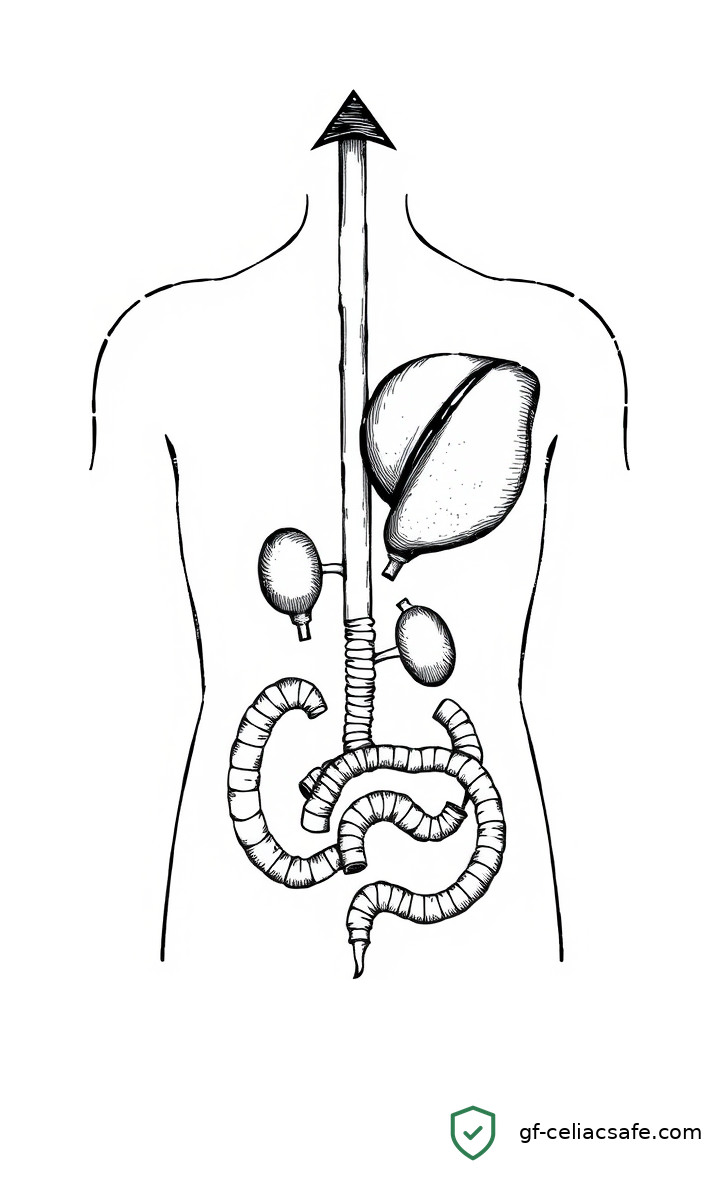
People with celiac disease face a 60% higher risk of needing a solid organ transplant compared to the general population. A new Swedish study published in Clinical Gastroenterology and Hepatology tracked nearly 48,000 celiac patients over decades and found elevated rates of kidney and liver transplants—even years after diagnosis.
The findings add to growing evidence that celiac disease affects more than just the gut. As a parent of a child with celiac, I think about long-term health constantly. This study underscores why strict adherence to the gluten-free diet matters—and why we need better medical monitoring for celiac patients as they age.
What This Means for You
The study found that celiac patients were significantly more likely to need kidney or liver transplants than matched controls from the general population. The elevated risk persisted even when researchers looked only at people diagnosed with celiac as adults, and it remained elevated more than five years after diagnosis.
This matters because it suggests celiac disease creates lasting risks for organ damage that don’t necessarily resolve once someone goes gluten-free. The gluten-free diet remains the only treatment, but this research points to the need for ongoing medical surveillance—particularly of liver and kidney function—in celiac patients throughout their lives.
For families like mine, it reinforces that celiac disease is not just a dietary inconvenience. It’s a systemic autoimmune condition with potential complications that extend far beyond stomach pain and malabsorption. The good news is that identifying these risks allows doctors to monitor for problems earlier and intervene before transplant becomes necessary.
The study also highlights gaps in our understanding of why these complications occur. Researchers don’t yet know whether better dietary adherence reduces transplant risk, or whether some celiac patients face genetic vulnerabilities that persist regardless of gluten avoidance.
Key Takeaways
- Celiac patients face 60% higher risk of needing kidney or liver transplants compared to people without celiac.
- The elevated risk persists more than five years after celiac diagnosis.
- This finding reinforces that celiac disease is a systemic condition affecting multiple organs, not just the intestines.
- Regular monitoring of liver and kidney function may be important for celiac patients as they age.
- More research is needed to understand whether strict gluten-free diet adherence reduces this transplant risk.
The Science
Want to understand how this actually works? We’ll walk you through the technical details below and define every term. No medical degree required.
Study Design and Population
The research team, led by investigators at Columbia University and the Karolinska Institutet in Sweden, conducted a nationwide cohort study—a type of research that follows large groups of people over time to track health outcomes. They used Swedish national health registries to identify 47,241 individuals with biopsy-confirmed celiac disease diagnosed between 1969 and 2017.
Each celiac patient was matched with up to five people from the general population who were the same age and sex but didn’t have celiac disease. This created a comparison group (called controls) of 233,235 people. The researchers then tracked both groups through 2022 to see who needed organ transplants.
Primary Findings
The study measured risk using hazard ratios (HR)—a statistical tool that compares how often something happens in one group versus another. An HR of 1.0 means equal risk. An HR above 1.0 means higher risk.
For all solid organ transplants combined, celiac patients had an HR of 1.63 (95% confidence interval: 1.41-1.88). In plain terms, this means celiac patients were 63% more likely to need a transplant than matched controls. The confidence interval indicates researchers are 95% certain the true increased risk falls somewhere between 41% and 88% higher.
When the team looked at specific organs, they found the highest risks for:
- Liver transplants: HR 2.24, meaning celiac patients were more than twice as likely to need a liver transplant
- Kidney transplants: HR 1.42, a 42% increased risk
The study did not find significantly elevated rates of heart or lung transplants in celiac patients.
Persistence Over Time
One particularly concerning finding: the elevated transplant risk didn’t disappear over time. When researchers looked only at transplants occurring more than five years after celiac diagnosis, the HR was 1.56—still a 56% increased risk.
This challenges the assumption that strict gluten-free diet adherence fully eliminates long-term complication risks. It suggests either that some organ damage may occur before diagnosis, or that celiac disease creates persistent vulnerabilities even after patients eliminate gluten.
Liver Disease Connections
The elevated liver transplant risk aligns with what we’ve covered before about celiac disease and liver complications. Earlier this year we discussed emerging evidence of systemic vascular complications in celiac disease. The liver findings in this transplant study add another layer to understanding how celiac affects organs beyond the intestines.
Non-alcoholic fatty liver disease (NAFLD) and autoimmune hepatitis both occur at higher rates in celiac patients. The immune system dysregulation that drives celiac disease may also trigger liver inflammation. Additionally, malabsorption—particularly of nutrients like choline and protein before diagnosis—can contribute to liver damage.
Kidney Disease Pathways
The mechanisms linking celiac disease to kidney damage are less clear but may involve several pathways:
IgA nephropathy—a kidney disease caused by deposits of IgA antibodies (the same type of antibody elevated in celiac disease)—occurs more frequently in celiac patients. The autoimmune inflammation characteristic of celiac disease may trigger kidney-specific immune attacks.
Additionally, chronic inflammation and malabsorption can lead to metabolic disturbances that stress kidney function over time. Some research suggests gluten exposure may trigger inflammatory cascades affecting kidney tissue even in organs far from the intestines.
Study Limitations and Strengths
The researchers acknowledged important limitations. They couldn’t verify how strictly patients followed the gluten-free diet, so they couldn’t determine whether better adherence reduces transplant risk. They also noted that Swedish health registries may miss some celiac diagnoses if patients weren’t biopsied.
However, the study’s strengths are considerable. The massive sample size—nearly 48,000 celiac patients—and decades of follow-up data make this one of the largest investigations of transplant risk in celiac disease ever conducted. The use of biopsy-confirmed diagnoses eliminates concerns about false-positive blood tests.
Clinical Implications
This research suggests celiac patients may benefit from regular monitoring of liver and kidney function throughout their lives, not just during the diagnostic period. Standard care currently focuses on monitoring nutritional markers and antibody levels to assess gluten-free diet adherence. These findings suggest gastroenterologists should consider adding routine liver enzyme tests and kidney function panels to long-term follow-up protocols.
The study also highlights the need for research into whether strict dietary adherence reduces transplant risk. Until we have that data, the best advice remains unchanged: complete elimination of gluten, vigilance against cross-contact, and regular medical follow-up.
What We Still Don’t Know
Several critical questions remain unanswered:
Does strict gluten-free diet adherence reduce transplant risk? The study couldn’t measure dietary compliance, so we don’t know if people who completely avoid gluten face the same elevated risks as those with frequent gluten exposure.
When does organ damage occur? The elevated risk persisted years after diagnosis, but researchers don’t know whether damage happens before diagnosis (during years of undiagnosed celiac), or whether celiac disease creates ongoing vulnerabilities even after going gluten-free.
Are certain celiac patients at higher risk? The study didn’t identify genetic or clinical factors that might predict which celiac patients face the greatest transplant risk. Understanding these risk factors could help doctors identify patients who need more intensive monitoring.
Related Coverage
References
Doyle JB, Lebwohl B, Soderling J, Oniscu GC, Sharma R, Nobel YR, Green PHR, Ludvigsson JF. Risk of solid organ transplantation in individuals with celiac disease: a nationwide cohort study. Clin Gastroenterol Hepatol. 2026 May 27:S1542-3565(26)00395-2. doi: 10.1016/j.cgh.2026.04.034. PubMed