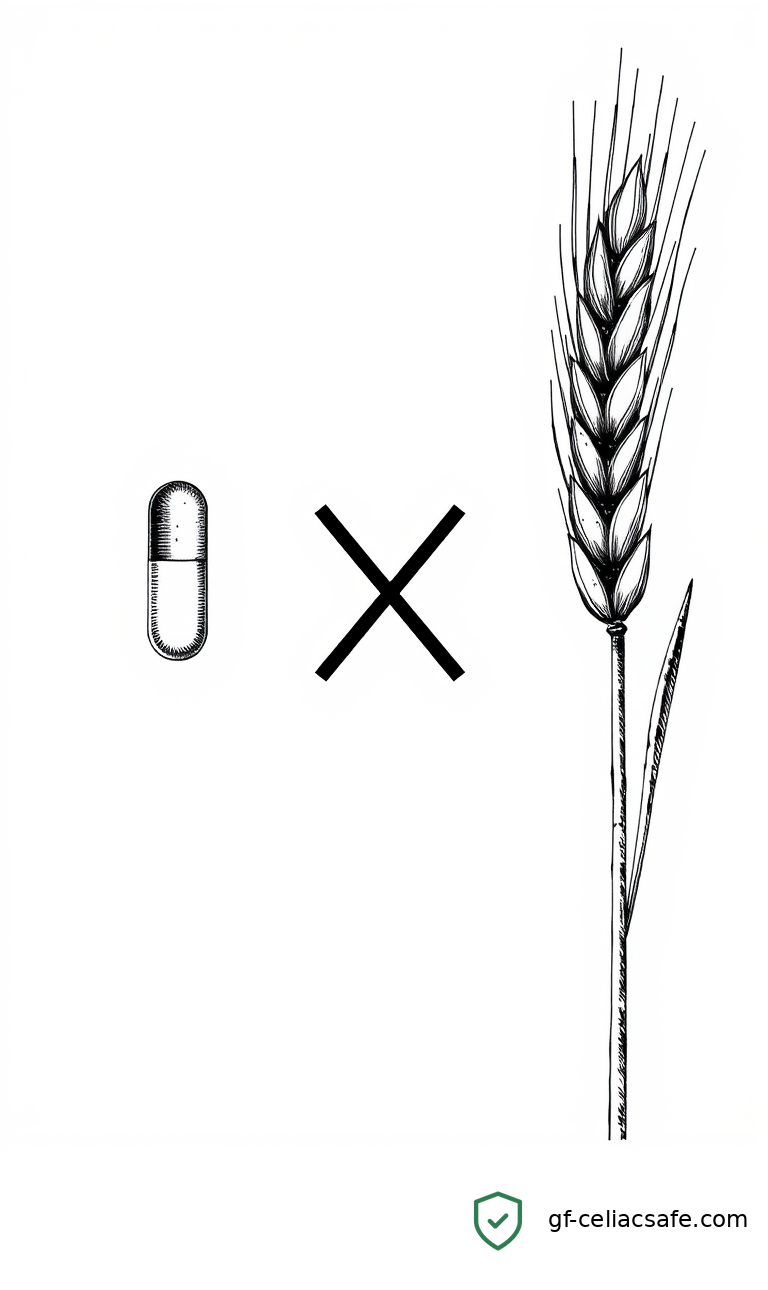
Omega-3 fatty acids have long been touted for anti-inflammatory benefits. Many researchers hoped they might reduce the risk of developing celiac disease. New findings reported by ScienceNorway suggest otherwise. The research team found no protective effect from omega-3 supplementation in infancy.
What This Means for You
If you’re a parent wondering whether omega-3 supplements might prevent celiac disease in your child, this research suggests they won’t. The study examined whether giving omega-3 fatty acids to infants at genetic risk for celiac disease would reduce their chances of developing the condition. It didn’t.
This doesn’t mean omega-3s are useless. They still offer cardiovascular benefits and support brain development. But if you were hoping they might also protect against celiac disease, the evidence doesn’t support that hope.
For families like mine with celiac already diagnosed, this changes nothing about daily management. The gluten-free diet remains the only proven treatment. But for parents with family history who wonder what they can do during pregnancy or infancy to reduce risk, this study narrows the list of evidence-based options.
The findings also matter because they challenge a popular assumption. Anti-inflammatory supplements get promoted heavily in wellness circles. When rigorous research shows they don’t prevent a specific autoimmune condition, that’s worth knowing—even when the answer is disappointing.
Key Takeaways
- Omega-3 supplementation in infancy did not reduce celiac disease risk in genetically susceptible children
- This contradicts earlier hopes that anti-inflammatory fatty acids might offer protection
- Omega-3s still have other health benefits, but celiac prevention isn’t one of them
- No supplements have been proven to prevent celiac disease in at-risk individuals
- The gluten-free diet remains the only evidence-based treatment once celiac disease develops
The Science
Want to understand how this actually works? We’ll walk you through the technical details below and define every term. No medical degree required.
Why Researchers Thought Omega-3s Might Help
Celiac disease is an autoimmune condition triggered by gluten. When someone with celiac eats gluten, their immune system attacks the lining of the small intestine. This causes inflammation and damage.
Omega-3 fatty acids—particularly EPA and DHA (types found in fish oil)—are known to have anti-inflammatory properties. They can reduce production of inflammatory molecules called cytokines. Since celiac disease involves chronic inflammation, researchers hypothesized that omega-3s given early in life might reduce the risk of developing the condition.
The logic was sound. Other autoimmune conditions show some responsiveness to dietary fatty acid composition. If omega-3s could dampen immune overreactivity during the critical window when tolerance develops, they might prevent celiac disease from taking hold.
What the Norwegian Study Actually Tested
The research followed infants who had genetic risk factors for celiac disease. These children carried HLA-DQ2 or HLA-DQ8 genes—the genetic variants present in nearly all celiac patients. Not everyone with these genes develops celiac disease, but they’re necessary for it to occur.
The study randomized infants into two groups. One received omega-3 supplementation during a specific developmental window. The other did not. Researchers then tracked how many children in each group developed celiac disease over time.
The intervention aimed to test whether omega-3s could prevent celiac disease during the period when the immune system is learning what to tolerate and what to attack. This window—roughly from late pregnancy through the first years of life—is when many autoimmune conditions are thought to have their roots.
The Unexpected Results
The data showed no significant difference in celiac disease incidence between the two groups. Children who received omega-3 supplements developed celiac disease at essentially the same rate as those who didn’t.
This doesn’t mean omega-3s increase risk. It means they appear to be neutral—neither protective nor harmful when it comes to celiac disease development.
The findings were unexpected because they contradict the biological rationale. Even though omega-3s do reduce inflammation in other contexts, that anti-inflammatory effect apparently doesn’t translate to celiac disease prevention. The mechanisms that lead to celiac disease are more complex than general inflammatory pathways.
Why This Matters for Future Research
This study closes one door but leaves others open. Celiac disease likely develops through multiple contributing factors: genetics, environmental triggers, gut microbiome composition, timing of gluten introduction, and possibly viral infections. Omega-3s apparently don’t override these other factors.
Researchers continue investigating other potential prevention strategies. Some studies examine whether the timing and amount of gluten introduction during infancy affects risk. Others look at microbiome modulation or protective bacteria. Each negative result like this one helps narrow the search.
For celiac families, the lack of preventive options remains frustrating. Parents with one celiac child often ask what they can do differently for younger siblings. Right now, the honest answer is: we don’t know how to prevent it.
The Context of Celiac Prevention Research
The search for celiac disease prevention strategies has a mixed track record. Earlier studies examined whether delaying gluten introduction past infancy might help. It didn’t. Other research looked at breastfeeding duration, probiotic supplementation, and various dietary interventions. None have shown consistent preventive effects.
Earlier this year we covered research on how the gluten-free diet affects lipid profiles, examining metabolic changes after diagnosis. But preventing that diagnosis in the first place remains elusive.
The pattern across prevention studies is consistent: interventions that seem promising based on biological mechanisms often fail when tested rigorously. This underscores how much we still don’t understand about what triggers celiac disease in genetically susceptible individuals.
What Parents Should Know
If you’re raising a child at genetic risk for celiac disease, this research doesn’t change the standard guidance. Monitor for symptoms like chronic diarrhea, poor growth, or abdominal pain. Screen with blood tests if symptoms appear. Don’t restrict gluten preemptively unless celiac disease is confirmed—you need gluten in the diet for accurate testing.
Omega-3 supplementation won’t hurt (and may offer other benefits), but don’t expect it to prevent celiac disease. Save your money if that’s the only reason you’re considering it.
For families already managing celiac disease, this research is more academic than practical. The gluten-free diet works. Strict adherence allows intestinal healing and prevents complications. No supplement changes that fundamental reality.
What this research does is push back against oversimplified narratives. Anti-inflammatory supplements are popular in wellness marketing. When rigorous science shows they don’t prevent a specific condition, that’s valuable information—even when the news is disappointing.
Related Coverage
References
- ScienceNorway. “New research on omega-3 and celiac disease: Unexpected findings.” May 20, 2026. https://news.google.com/rss/articles/CBMiwAFBVV95cUxQSEgtRjEyR3RwSjdTUml3LUh5ejlwU1R2VmlZZkNtLXpjSEN5clBhQjBUaEQxbEJDOTFpVm5fNUJmWDY4OUdlUWlHaHlfOERDUXdlS0ZjZktIZHkwYjhHRDZDTWZzTHZQQkVLRHcwcUNqRmtMa2pRa2xQZUY0azBRUExxS2FQWWo0VXU0M1BpTWV1N3ExQkRzZ1g5LVNDcnRvT2hnNVpyRXloalkyMTRIN1I1Tl9rMWI4ak44MGJxTTM?oc=5