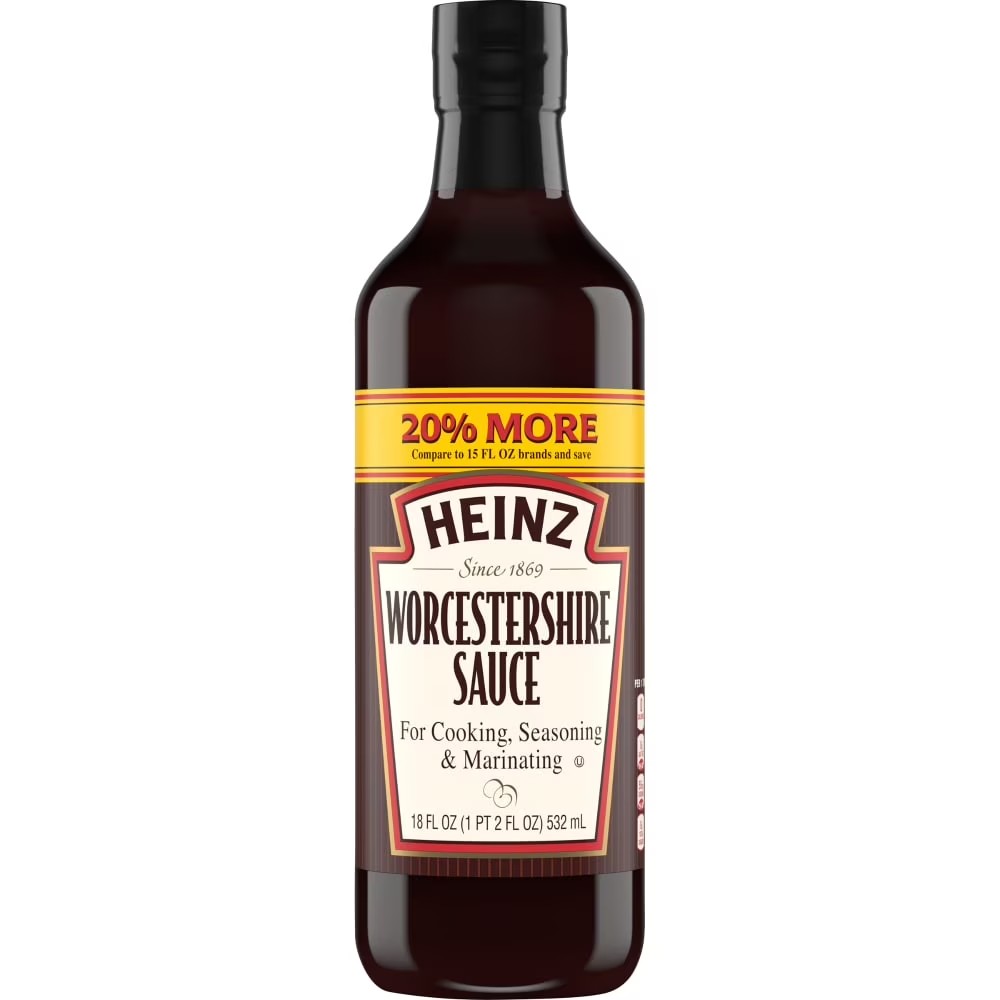
Traditional Worcestershire sauce contains malt vinegar (from barley) and is NOT gluten-free. Learn which brands are safe for celiac disease and how to find certified alternatives.
The short answer: Traditional Worcestershire sauce is NOT gluten-free. The classic Lea & Perrins recipe contains malt vinegar, which is derived from barley and contains gluten. However, several brands now make certified gluten-free versions that are safe for celiac disease. Always check the label — the malt vinegar is the key ingredient to watch for.
Why Traditional Worcestershire Sauce Contains Gluten
Worcestershire sauce is a fermented condiment with a complex ingredient list. The gluten problem comes from one specific ingredient:
Malt Vinegar = Barley = Gluten
Traditional Worcestershire sauce recipes include:
- Vinegar (often malt vinegar)
- Molasses
- Anchovies
- Tamarind
- Onion, garlic
- Various spices
Malt vinegar is made from barley, one of the three gluten-containing grains (wheat, barley, rye). Unlike distilled vinegars, malt vinegar retains gluten proteins from the barley.
Lea & Perrins: The Original (NOT GF)
Lea & Perrins is the most recognized Worcestershire sauce brand. Their original formula:
- Contains malt vinegar — Listed in ingredients
- NOT gluten-free — Not safe for celiac disease
- No GF alternative from this brand currently
If you see Lea & Perrins, do not assume it’s safe. It contains gluten.
Which Worcestershire Sauces Are Gluten-Free?
Several brands make Worcestershire sauce without malt vinegar:
Lea & Perrins (UK Formula)
Interestingly, the UK version of Lea & Perrins uses spirit vinegar instead of malt vinegar and is labeled gluten-free in the UK. However:
- Not available in US stores
- Import versions may exist online
- Always verify the specific bottle
French’s Worcestershire Sauce
Labeled gluten-free
French’s makes their Worcestershire sauce without malt vinegar.
- Status: Labeled gluten-free
- Ingredients: Uses distilled white vinegar
- Availability: Most grocery stores
- Taste: Slightly different from Lea & Perrins but good
Wizard’s Gluten-Free Worcestershire
Certified gluten-free, vegan
Wizard’s is specifically formulated for dietary restrictions.
- Certification: Certified gluten-free
- Bonus: Also vegan (no anchovies)
- Availability: Health food stores, Amazon
Buy Wizard’s GF Worcestershire on Amazon
Coconut Secret Coconut Aminos Worcestershire
Naturally gluten-free, soy-free
Made from coconut rather than traditional ingredients.
- Status: Naturally GF (no gluten ingredients)
- Bonus: Soy-free, lower sodium
- Taste: Different flavor profile, sweeter
- Use: Works as substitute in most recipes
Buy Coconut Secret Worcestershire on Amazon
Reading Worcestershire Sauce Labels
Red Flags (Contains Gluten)
Look for these ingredients:
- Malt vinegar — Contains barley gluten
- Barley — Direct gluten source
- “Contains wheat” in allergen statement
Safe Indicators
- “Gluten-free” label
- Distilled white vinegar or spirit vinegar (instead of malt)
- Certified GF seal (GFCO or similar)
- No barley-derived ingredients
Where Worcestershire Sauce Hides
Worcestershire sauce appears in many recipes and prepared foods:
Common Uses
| Food/Recipe | Worcestershire Used In |
|---|---|
| Bloody Mary | Key ingredient |
| Caesar salad dressing | Traditional recipe |
| Beef marinades | Flavor enhancer |
| Meatloaf | Moisture and flavor |
| Steak sauce | Many recipes |
| Deviled eggs | Some recipes |
| Welsh rarebit | Traditional |
| Oysters Rockefeller | Classic recipe |
Prepared Foods to Check
- Marinades and sauces — Check ingredient lists
- Bloody Mary mixes — Often contain Worcestershire
- Salad dressings — Especially Caesar
- Meat seasonings — May contain Worcestershire powder
- Seasoning blends — Some include Worcestershire
Making Your Own GF Worcestershire
For complete control, you can make Worcestershire sauce at home:
Basic GF Worcestershire Recipe
Ingredients:
- 1 cup apple cider vinegar (GF)
- 1/3 cup tamari or coconut aminos (GF)
- 2 tbsp molasses
- 1/4 tsp ground ginger
- 1/4 tsp mustard powder
- 1/4 tsp onion powder
- 1/4 tsp garlic powder
- 1/8 tsp cinnamon
- Pinch of black pepper
Method:
- Combine all ingredients in a saucepan
- Bring to a simmer over medium heat
- Reduce by about 1/3 (10-15 minutes)
- Cool and store in a jar
This version lacks the fermented complexity of traditional Worcestershire but works well in most recipes.
Dining Out: Worcestershire Concerns
When eating at restaurants:
High-Risk Situations
- Bloody Marys — Almost always contain traditional Worcestershire
- Caesar salads — Ask about dressing ingredients
- Steakhouses — Marinades may contain Worcestershire
- British pubs — Traditional recipes use Lea & Perrins
Questions to Ask
- “Does this contain Worcestershire sauce?”
- “What brand of Worcestershire do you use?”
- “Can this be made without Worcestershire?”
Safer Alternatives
- Ask for dishes without Worcestershire
- Request plain preparations with sauce on the side
- Bring your own GF Worcestershire for Bloody Marys (some bars allow this)
Quick Reference Summary
| Status | Details |
|---|---|
| Naturally GF? | No — traditional recipe contains malt vinegar (barley) |
| Hidden Gluten Source | Malt vinegar in most brands |
| Unsafe Brands | Lea & Perrins (US), most store brands |
| Safe Brands | French’s, Wizard’s, Coconut Secret |
| Label Keywords | Avoid “malt vinegar”; look for “gluten-free” |
| Restaurant Tip | Ask specifically; assume Worcestershire contains gluten unless verified |
The Bottom Line
Traditional Worcestershire sauce contains malt vinegar and is not safe for celiac disease. The good news: gluten-free alternatives taste nearly identical and are increasingly available.
For everyday cooking:
- French’s is widely available and labeled GF
- Wizard’s Gluten-Free Worcestershire is certified GF
- Make your own for complete control
Never assume Worcestershire sauce is gluten-free. Always check labels, and when in doubt at restaurants, skip dishes that traditionally contain it.
Related Guides
- Is Soy Sauce Gluten Free?
- Is Ketchup Gluten Free?
- Is Mustard Gluten Free?
- Is Mayo Gluten Free?
- Is Salsa Gluten Free?