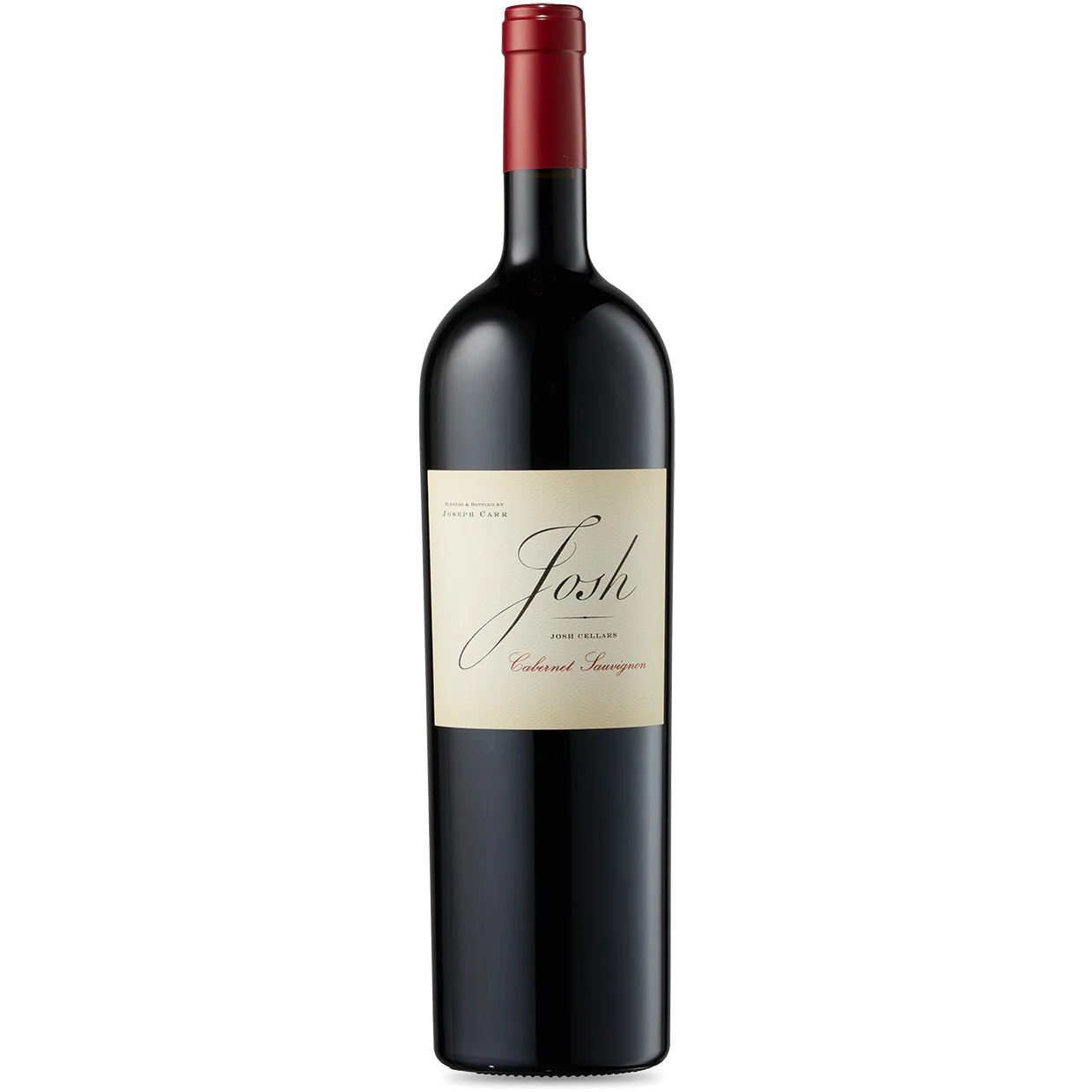
Pure wine is celiac-safe. Learn about the actual risks: wine coolers, flavored wines, and rare barrel-aging concerns.
The short answer: Pure wine is celiac-safe. Wine is made from grapes, which contain no gluten, and the fermentation process doesn’t introduce gluten. Red, white, rosé, and sparkling wine are all celiac-safe. The actual risks are wine coolers, flavored wines, and wine-based products that may add gluten ingredients.
Why Pure Wine Is Celiac-Safe
Wine’s ingredients are naturally gluten-free:
- Grapes — The base ingredient, no gluten
- Yeast — Gluten-free
- Sulfites — Preservative, gluten-free
- Tannins — From grape skins, gluten-free
The entire winemaking process — crushing, fermenting, aging, bottling — involves no wheat, barley, or rye by default.
Types of Wine: All Celiac-Safe
Red Wine
All red wine varieties are naturally GF:
- Cabernet Sauvignon
- Merlot
- Pinot Noir
- Zinfandel
- Malbec
- Shiraz/Syrah
- Sangiovese
- Tempranillo
White Wine
All white wine varieties are naturally GF:
- Chardonnay
- Sauvignon Blanc
- Pinot Grigio
- Riesling
- Moscato
- Gewürztraminer
- Viognier
Rosé Wine
Made from red grapes with limited skin contact — gluten-free.
Sparkling Wine
Champagne and sparkling wines are gluten-free:
- Champagne
- Prosecco
- Cava
- Crémant
- American sparkling wine
Fortified Wine
Most fortified wines are gluten-free:
- Port
- Sherry
- Madeira
- Marsala
- Vermouth
Note: Some fortified wines may use grain alcohol in fortification. Check labels if concerned.
Potential Gluten Concerns in Wine
Wine Coolers and Flavored Wines
These require label checking:
Wine coolers and flavored wine products may contain:
- Malt (barley-based)
- Flavorings with gluten
- Barley-based alcohol additions
Products to verify:
- Bartles & Jaymes
- Seagram’s Escapes
- Smirnoff Ice (not wine, contains malt)
- Any “malt beverage” — NOT wine, contains gluten
Barrel Aging Concerns (Rare)
Some wine barrels are sealed with wheat paste. This is a rare practice and studies suggest any gluten transfer is well below safe thresholds, but it’s worth mentioning:
- Oak barrels — Traditionally sealed with wheat paste in some regions
- Gluten transfer — Studies show negligible to undetectable levels
- Most celiac patients — Report no issues with barrel-aged wines
This concern is largely theoretical for celiacs. If you want to remove the question entirely, you can seek out winemakers who confirm wheat-free barrel practices.
Fining Agents
Wine may be “fined” (clarified) using various agents. Some historical fining agents contained gluten, but this is extremely rare today:
- Common fining agents (GF): Bentonite clay, egg whites, casein
- Rare/historical (gluten): Wheat-based fining (essentially obsolete)
Modern winemaking virtually never uses gluten-containing fining agents.
Wine Brands: Verification
While almost all wine is naturally GF, some brands explicitly state their gluten-free status:
Brands That Confirm GF
- Frey Vineyards — Organic, confirms gluten-free
- Bonterra — Organic, no gluten ingredients
- Barefoot — Company states wines are gluten-free
- Yellow Tail — Confirms gluten-free
- Sutter Home — Confirms gluten-free
Any Pure Wine Is Fine
You don’t need a “gluten-free” label on wine. Any wine that is:
- Made from grapes
- Not a wine cooler or malt beverage
- Not a flavored product with additives
…is naturally gluten-free.
Cooking Wine and Wine Vinegar
Cooking Wine
Most cooking wines are gluten-free:
- Red cooking wine — GF
- White cooking wine — GF
- Marsala cooking wine — GF
- Sherry cooking wine — GF
Check labels for: Added seasonings or flavorings that may contain gluten.
Wine Vinegar
Wine vinegar is gluten-free:
- Red wine vinegar — GF
- White wine vinegar — GF
- Champagne vinegar — GF
- Sherry vinegar — GF
Note: Malt vinegar is NOT wine vinegar and contains gluten.
Wine at Restaurants and Events
Cross-Contact Considerations
Wine itself is safe, but consider:
- Shared glasses — Minimal risk if properly washed
- Wine with food pairings — The food, not wine, is the concern
- Bread service — Keep wine away from bread crumbs
Questions You Don’t Need to Ask
For pure wine, you don’t need to interrogate the server:
- “Is this wine gluten-free?” — Yes, if it’s actual wine
- “What’s in it?” — Grapes and yeast
Do ask if:
- It’s a wine cooler or flavored wine product
- It’s a “malt beverage” being served as wine (different product)
- It’s a wine cocktail with unknown ingredients
Gluten-Free Wine Cocktails
Many wine-based cocktails are GF:
| Cocktail | Status | Notes |
|---|---|---|
| Sangria | Usually GF | Verify any added liqueurs |
| Mimosa | GF | Champagne + orange juice |
| Bellini | GF | Prosecco + peach |
| Kir Royale | GF | Champagne + cassis |
| Spritzer | GF | Wine + soda water |
| Mulled wine | Usually GF | Check spice blends |
Quick Reference Summary
| Wine Type | Gluten-Free? | Notes |
|---|---|---|
| Red wine | YES | All varieties naturally GF |
| White wine | YES | All varieties naturally GF |
| Rosé | YES | Naturally GF |
| Sparkling/Champagne | YES | Naturally GF |
| Fortified wine | USUALLY | Port, sherry, etc. — verify if concerned |
| Wine coolers | CHECK | May contain malt or additives |
| Flavored wines | CHECK | Verify added ingredients |
| Cooking wine | USUALLY | Check for seasoning additives |
| Wine vinegar | YES | All types GF |
The Bottom Line
Pure wine is celiac-safe. Red, white, rosé, and sparkling wine are naturally gluten-free and require no special verification.
For celiac-safe wine drinking:
- Any pure wine is celiac-safe — No GF label needed for actual wine
- Avoid wine coolers — May contain malt or gluten additives
- Verify flavored products — Added ingredients may contain gluten
- Cooking wine is fine — Just check for seasoning additives
- Enjoy without anxiety — Wine is one of the genuinely celiac-safe alcoholic beverages
Unlike beer, plain wine is celiac-safe at the ingredient level. The actual risks are flavored wines, wine coolers, and cross-contact in restaurant settings where shared surfaces or garnishes may introduce gluten.
Related Guides
- Is Beer Gluten Free?
- Is Whiskey Gluten Free?
- Is Tequila Gluten Free?
- Is Vodka Gluten Free?
- Is Gin Gluten Free?