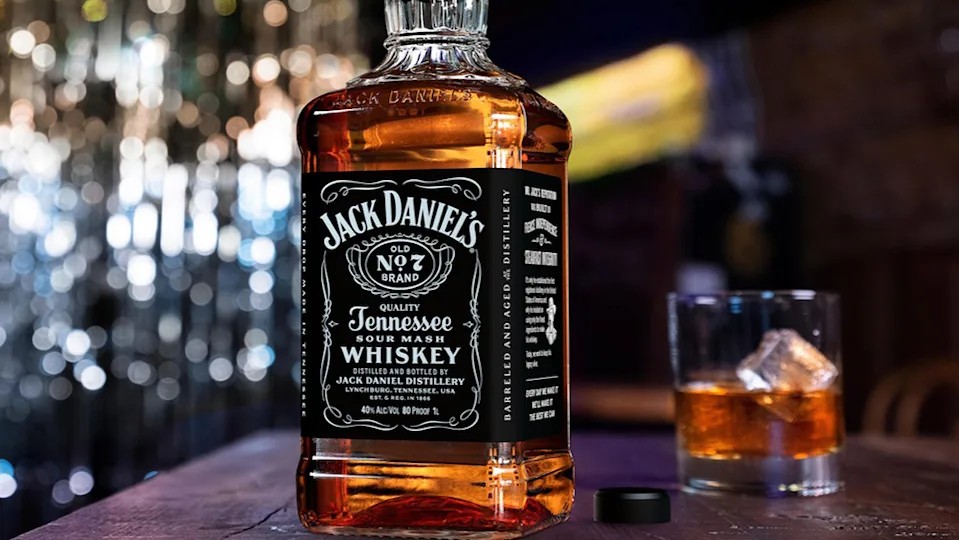
Whiskey is made from gluten-containing grains. Distillation removes gluten in theory, but reactions are documented.
The short answer: Whiskey is made from gluten-containing grains. Distillation removes gluten proteins according to the Celiac Disease Foundation and Beyond Celiac, but reactions are documented in the celiac community. The celiac-safe default is naturally-GF spirits — tequila, rum, potato/corn vodka, or wine.
The Science: Distillation and Gluten
How Distillation Works
Whiskey starts with gluten-containing grains:
- Bourbon — At least 51% corn, plus barley, wheat, or rye
- Scotch — Malted barley
- Rye whiskey — At least 51% rye
- Irish whiskey — Barley, corn, wheat
During distillation:
- Grain mash ferments, creating alcohol
- The liquid is heated until alcohol evaporates
- Alcohol vapor rises, leaving behind proteins and solids
- Vapor condenses into pure distilled spirit
The theory: Gluten proteins are too large and heavy to evaporate with alcohol. They remain in the still, and the distillate is gluten-free.
What Industry Science Says
- Celiac Disease Foundation: States distilled spirits are gluten-free
- Beyond Celiac: Considers distilled alcohol safe
- FDA: Distilled foods may be labeled gluten-free
- Testing: Properly distilled spirits test below detectable gluten limits
Why Celiac Patients Still React
Despite the industry consensus, people with celiac disease report symptoms after drinking grain-based whiskey often enough that the reaction pattern is well-documented. Possible explanations:
1. Additives After Distillation
Some whiskeys add ingredients post-distillation:
- Caramel coloring — Usually GF, but can be wheat-derived
- Flavorings — May contain gluten
- Mash back — Some distillers add small amounts of mash for flavor
2. Cross-Contact in Production
Distilleries handling gluten grains may have:
- Shared equipment
- Airborne grain particles
- Contamination in bottling
3. Individual Reactions
Some possibilities:
- Non-gluten compounds — Other grain proteins may cause reactions
- Histamines — Present in aged spirits
- Congeners — Fermentation byproducts
- Trace gluten peptides — Distillation may not remove all immunogenic fragments
4. Quality of Distillation
Poorly distilled products might retain trace proteins:
- Single distillation — Higher risk than multiple distillations
- Cheap brands — May have less rigorous processes
- Flavored whiskeys — Added ingredients are the real risk
Whiskey Categories: Risk Assessment
Less Risky Grain Whiskeys (Still Not Celiac-Safe Default)
Bourbon (if unflavored):
- Jack Daniel’s (charcoal filtered, no additives)
- Maker’s Mark
- Wild Turkey
- Woodford Reserve
- Buffalo Trace
Irish Whiskey:
- Jameson (triple distilled)
- Bushmills
- Tullamore D.E.W.
- Redbreast
Scotch:
- Glenfiddich
- Glenlivet
- Macallan
- Johnnie Walker
Higher Risk (Additives, Flavorings, or Uncertainty)
Flavored whiskeys — Avoid or verify:
- Fireball (cinnamon flavored — check additives)
- Jim Beam Apple, Honey, etc.
- Crown Royal Flavored varieties
- Jack Daniel’s Tennessee Honey, Fire, Apple
Whiskey-based liqueurs:
- Southern Comfort
- Drambuie
- Irish cream liqueurs
Celiac-Safe Default: Non-Grain Whiskeys
If you want a celiac-safe whiskey, choose ones made from non-gluten grains:
Queen Jennie Whiskey
Made from sorghum:
- Base: 100% sorghum (gluten-free grain)
- Certification: Labeled gluten-free
- Taste: Bourbon-like profile
- Availability: Limited, specialty retailers
New Southern Revival Sorghum Whiskey
Another sorghum option:
- Base: Sorghum
- Style: Bourbon alternative
- Availability: Southeast US primarily
Koval Distillery
Some GF options:
- Millet Whiskey — Made from gluten-free millet
- Certification: Kosher, gluten-free grain base
- Location: Chicago
- Availability: Growing distribution
The Celiac Community’s Perspective
The community is divided:
“It’s Fine” Camp
- Trusts distillation science
- No acute symptoms experienced
- Follows CDF/Beyond Celiac guidance
- Drinks bourbon, scotch without obvious symptoms
”I Avoid It” Camp
- Reports reactions to grain whiskey
- Sticks to non-grain spirits (tequila, rum)
- Feels better avoiding all grain-derived alcohol
The celiac-safe default is the second camp’s choice. Absence of acute symptoms is not the same as absence of intestinal damage in an autoimmune condition. Naturally-GF spirits remove the question.
Celiac-Safe Spirits (Naturally GF)
If you want to skip the distillation question entirely:
Tequila
- Made from agave (not a grain)
- 100% agave tequila is naturally GF
- Patron, Don Julio, Casamigos
Rum
- Made from sugarcane
- Naturally gluten-free
- Bacardi, Captain Morgan, Mount Gay
Potato Vodka
- Chopin, Luksusowa
- No grain involvement
- Certified GF options available
Brandy/Cognac
- Made from grapes
- Naturally gluten-free
- Hennessy, Rémy Martin, Courvoisier
If You’re Going to Try Grain Whiskey
The celiac-safe default is to skip this entirely. If you’re going to try grain whiskey anyway:
- Start with quality — Multiple-distilled, no additives
- Small amount — One drink, neat or with water
- Wait and observe — Note symptoms over 24-48 hours
- Isolate variables — Don’t mix with other foods that might cause reaction
- Consult your gastroenterologist — Especially if blood work changes
If you react, switch to naturally-GF spirits. Absence of acute symptoms is not evidence of safety — celiac damage can occur silently.
Quick Reference Summary
| Whiskey Type | Celiac-Safe? | Notes |
|---|---|---|
| Bourbon (unflavored) | Industry says yes, patient reports vary | Multiple distillation, no additives |
| Scotch | Industry says yes, patient reports vary | Well-distilled, traditional process |
| Irish Whiskey | Industry says yes, patient reports vary | Triple distilled typically |
| Rye Whiskey | Industry says yes, patient reports vary | Same distillation principles |
| Flavored Whiskey | NO | Added ingredients may contain gluten |
| Whiskey Liqueurs | NO | Often have additives |
| Sorghum Whiskey | YES | Gluten-free grain base |
| Millet Whiskey | YES | Gluten-free grain base |
The Bottom Line
Industry consensus says properly distilled whiskey is gluten-free. Major celiac organizations agree. Patient reports of reactions are documented and consistent.
The celiac-safe default:
- Naturally-GF spirits — Tequila, rum, potato/corn vodka, brandy, wine
- Sorghum or millet whiskey — Naturally-GF grain base
- Avoid flavored varieties — Added ingredients add risk on top of grain base
- Skip the distillation question — Choose a spirit that never had gluten in it
If you’re going to drink grain whiskey, the science says it should be fine. The celiac-safe default is to not have to trust the science.
Related Guides
- Is Beer Gluten Free?
- Is Vodka Gluten Free?
- Is Gin Gluten Free?
- Is Tequila Gluten Free?
- Is Wine Gluten Free?