Most soy sauce contains wheat and is NOT safe for celiac disease. Learn which brands are certified gluten-free, how to read labels, and safe alternatives for cooking and dining out.
The short answer: Most soy sauce is NOT gluten-free. Traditional soy sauce is brewed with wheat as a primary ingredient — typically 40-60% of the grain content. For people with celiac disease, even small amounts of regular soy sauce can trigger an autoimmune response and intestinal damage. The good news: certified gluten-free alternatives exist that taste nearly identical.
Why Soy Sauce Is a Hidden Gluten Trap
Soy sauce is one of the most common sources of hidden gluten exposure for people with celiac disease. The problem isn’t cross-contact — it’s the recipe itself.
Traditional soy sauce (shoyu) is made by fermenting soybeans and wheat together. The wheat isn’t a minor additive; it’s a core ingredient that contributes to the sauce’s color, aroma, and umami flavor. This means:
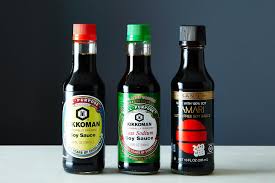
- Kikkoman, La Choy, and most grocery store brands contain wheat
- “Low sodium” and “lite” versions still contain wheat
- Organic and premium soy sauces still contain wheat
- The fermentation process does NOT remove gluten proteins
A common misconception is that fermentation breaks down gluten enough to make it safe. Research confirms this is false — fermented soy sauce still contains gluten levels well above safe thresholds for celiac disease.
The Science: Why Regular Soy Sauce Contains Gluten
How Traditional Soy Sauce Is Made
- Soybeans and wheat are combined (roughly 50/50 ratio)
- The mixture is inoculated with Aspergillus mold (koji)
- Salt brine is added and the mixture ferments for months
- The liquid is pressed, pasteurized, and bottled
The wheat provides starches that the mold converts to sugars, which then ferment into the complex flavors we associate with soy sauce. While fermentation does break down some gluten proteins, studies show that traditionally brewed soy sauce still contains significant gluten — far above the <20 ppm FDA threshold and dangerous for celiac patients.
Reading the Ingredients Label
On any bottle of soy sauce, check for:
Contains gluten (avoid):
- Wheat
- Hydrolyzed wheat protein
- “Brewed with wheat and soybeans”
Safe indicators:
- “Gluten-free” certification seal (GFCO preferred)
- Tamari (but verify — some tamari contains wheat)
- Coconut aminos (different product, naturally GF)
Certified Gluten-Free Soy Sauce Brands
These brands are verified safe for celiac disease, with testing below 10 ppm:
San-J Tamari (Recommended)
GFCO certified, dedicated gluten-free facility
San-J’s gluten-free tamari is brewed with 100% soybeans and no wheat. It’s made in a dedicated gluten-free facility with rigorous testing protocols. The flavor is rich, slightly less sharp than wheat-based soy sauce, and works excellently in all applications.
- Certification: GFCO (<10 ppm)
- Taste: Full-bodied, traditional umami
- Availability: Most grocery stores, Amazon
Kikkoman Gluten-Free Soy Sauce
Certified gluten-free, widely available
Kikkoman’s gluten-free version is brewed without wheat, using rice instead. It’s a good option if you prefer a lighter, slightly sweeter flavor profile closer to traditional Kikkoman.
- Certification: Gluten-free (verified <20 ppm)
- Taste: Lighter, milder than tamari
- Availability: Most grocery stores
Buy Kikkoman GF Soy Sauce on Amazon
Coconut Secret Coconut Aminos
Naturally gluten-free, soy-free alternative
Not technically soy sauce, but coconut aminos provide a similar umami flavor without soy or wheat. Made from coconut tree sap, it’s slightly sweeter and lower in sodium. Good option if you’re also avoiding soy.
- Certification: USDA Organic, verified gluten-free
- Taste: Milder, sweeter than soy sauce
- Availability: Health food stores, Amazon
Caution: Not All Tamari Is Gluten-Free
Tamari is traditionally a wheat-free style of Japanese soy sauce, but modern tamari often contains wheat. Always verify:
- Kikkoman Tamari — Contains wheat (NOT safe)
- San-J Reduced Sodium Tamari — Gluten-free (safe)
- Eden Organic Tamari — Contains wheat (NOT safe)
Never assume tamari is gluten-free without checking the label.
Reading Labels: What to Look For
When shopping for soy sauce or any product containing it:
Red Flags (Avoid)
- “Contains: Wheat” in allergen statement
- “Soy sauce (water, wheat, soybeans, salt)”
- No gluten-free certification
- “May contain wheat” advisory
Safe Indicators
- GFCO seal (gold standard, <10 ppm)
- “Certified Gluten-Free” statement
- “Brewed with soybeans only” or “100% soy”
- Clear “gluten-free” label with certification
Hidden Soy Sauce in Packaged Foods
Soy sauce appears in many processed foods under various names:
- Teriyaki sauce
- Stir-fry sauce
- Marinades
- Asian-style frozen meals
- Salad dressings
- Worcestershire sauce (some brands)
- “Natural flavoring” (occasionally)
Always check ingredient lists for wheat-containing soy sauce in these products.
Dining Out: Asking the Right Questions
Asian restaurants are high-risk environments for celiac patients due to ubiquitous soy sauce use. Here’s how to stay safe:
Questions to Ask
- “Do you have gluten-free soy sauce, or can I bring my own?” — Many restaurants will allow you to bring your own San-J tamari
- “Can this dish be made without soy sauce?” — Some dishes can be prepared with salt or fish sauce instead
- “Is there soy sauce in the marinade?” — Meats are often pre-marinated with soy sauce
- “Is the wok cleaned between dishes?” — Cross-contact from previous dishes is a real risk
Red Flags at Restaurants
- “Our soy sauce is naturally brewed” — This usually means it contains wheat
- “We use low-sodium soy sauce” — Still contains wheat
- Large communal bottles on tables — These are regular soy sauce
- Staff unfamiliar with gluten-free protocols
Cuisines That Use Soy Sauce Less Frequently (Still Verify)
Some cuisines use soy sauce less frequently, but this does NOT make restaurant food safe for celiac disease. Cross-contact, shared equipment, and hidden ingredients remain risks at any restaurant without a dedicated gluten-free kitchen.
- Thai restaurants — Often use fish sauce instead of soy sauce, but verify every dish and ask about cross-contact
- Vietnamese restaurants — Many dishes use fish sauce as primary seasoning, but soy sauce may still appear in marinades
- Indian restaurants — Rarely use soy sauce, but wheat flour is common in naan, roti, and thickeners
- Mexican restaurants — Soy sauce not typically used, but flour tortillas and shared fryers are common
Quick Reference Summary
| Status | Details |
|---|---|
| Naturally GF? | No — most soy sauce contains wheat |
| Common Hidden Gluten | Wheat in traditional brewing, tamari may also contain wheat |
| Safe Brands | San-J Tamari (GFCO), Kikkoman GF, Coconut Aminos |
| Label Keywords | ”Certified gluten-free,” “brewed with soybeans only” |
| Restaurant Tip | Ask to bring your own GF tamari, or request dishes without soy sauce |
The Bottom Line
Regular soy sauce is never safe for celiac disease — wheat is a core ingredient, not a cross-contact risk. However, certified gluten-free tamari and coconut aminos provide excellent alternatives that work in any recipe calling for soy sauce.
For home cooking, keep a bottle of San-J Gluten-Free Tamari in your pantry. For dining out, consider carrying a small travel bottle of GF tamari — many Asian restaurants will accommodate this request.
Related Guides
- Is Worcestershire Sauce Gluten Free?
- Is Ketchup Gluten Free?
- Is Mustard Gluten Free?
- Is Mayo Gluten Free?
- Is Salsa Gluten Free?