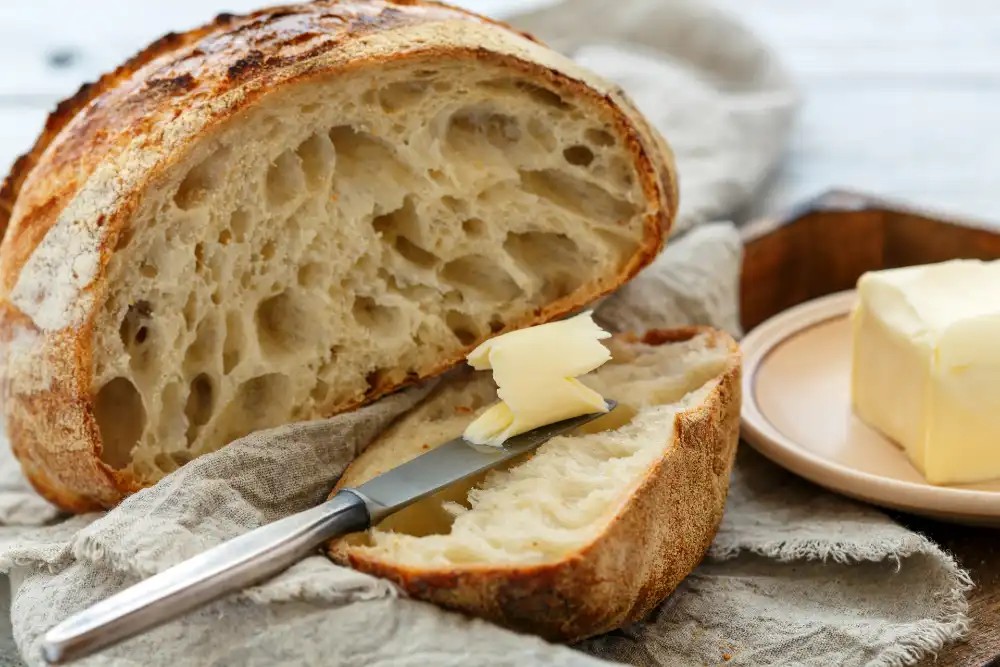
No, traditional sourdough bread is NOT gluten-free and is NOT safe for celiac disease. Fermentation does not remove gluten.
The short answer: No, sourdough bread is NOT gluten-free and is NOT safe for celiac disease. Traditional sourdough is made with wheat flour. While fermentation reduces some gluten content, it does NOT reduce it to safe levels for people with celiac disease. This is one of the most dangerous myths in the gluten-free community.
The Dangerous Myth: “Fermentation Removes Gluten”
This misconception has caused real harm to people with celiac disease. Here’s what you may have heard:
- “Sourdough fermentation breaks down gluten”
- “Traditional sourdough is easier to digest”
- “European sourdough is safe for celiac patients”
- “Long fermentation makes bread celiac-friendly”
All of these claims are false or misleading when it comes to celiac disease.
While research shows that prolonged sourdough fermentation can reduce gluten content, it does NOT reduce it below safe thresholds. Studies have found:
- Standard 24-hour fermentation reduces gluten by ~25-50%
- Extended 48-hour fermentation may reduce gluten by up to 80%
- Even 80% reduction leaves dangerous levels for celiac disease
A typical slice of wheat bread contains 2,000-4,000 mg of gluten. Even an 80% reduction leaves 400-800 mg — thousands of times higher than the <20 mg daily threshold considered potentially safe for celiac patients.
The Science: Why Fermentation Doesn’t Make Sourdough Safe
What Fermentation Actually Does
Sourdough fermentation uses wild yeasts and lactobacillus bacteria to leaven bread. During this process:
- Bacteria produce enzymes that partially break down gluten proteins
- Some gliadin peptides (the most harmful for celiac) are degraded
- The gluten structure changes — bread becomes more digestible for some people
- But gluten proteins remain at levels far above celiac-safe thresholds
What Research Actually Shows
A 2010 Italian study is often misquoted to claim sourdough is celiac-safe. Here’s what it actually found:
- Researchers created a highly specialized sourdough process using specific bacterial strains
- 60 days of fermentation with carefully selected lactobacilli
- This experimental bread tested below 20 ppm
- This process is NOT used in commercial bakeries
- Standard sourdough, even from artisan bakeries, does NOT achieve this
The study’s own authors emphasized this was a proof of concept, not a recommendation for celiac patients to eat regular sourdough.
Why People Feel “Better” on Sourdough
Some non-celiac individuals report tolerating sourdough better than regular bread. This may be because:
- FODMAP reduction — Fermentation reduces certain fermentable carbohydrates
- Phytic acid reduction — Nutrients become more bioavailable
- Different gluten structure — May cause less bloating in gluten-sensitive (not celiac) individuals
- Placebo effect — Expectations influence perception
None of these benefits apply to celiac disease. Celiac is an autoimmune condition where even trace gluten causes intestinal damage, regardless of how digestible the bread feels.
Celiac Disease Is Different from Gluten Sensitivity
This distinction is critical:
Celiac Disease (Autoimmune)
- Immune system attacks intestinal lining when gluten is present
- Damage occurs even without symptoms (silent celiac)
- Cumulative damage from any gluten exposure
- No safe threshold has been established (some react below 20 ppm)
- Sourdough is NOT safe regardless of fermentation
Non-Celiac Gluten Sensitivity (NCGS)
- No autoimmune damage detected
- Symptoms vary and may be dose-dependent
- Some people tolerate sourdough better than regular bread
- Not the same condition as celiac disease
If you have diagnosed celiac disease, advice for NCGS does not apply to you. Sourdough is not safe for celiac patients.
Gluten-Free Sourdough Options
If you miss sourdough’s tangy flavor, certified gluten-free sourdough breads exist:
Canyon Bakehouse Gluten-Free Sourdough
Certified gluten-free, dedicated facility
Canyon Bakehouse makes a GF sourdough using rice flour with a sourdough culture. Made in a dedicated gluten-free facility.
- Certification: GFCO (<10 ppm)
- Facility: Dedicated gluten-free
- Taste: Tangy, soft texture
- Availability: Most grocery stores freezer section
Buy Canyon Bakehouse GF Sourdough on Amazon
Little Northern Bakehouse Gluten-Free Sourdough
Certified gluten-free, vegan
Made with a blend of GF flours and real sourdough culture for authentic tang.
- Certification: Certified GF
- Notes: Also vegan and non-GMO
- Taste: Good sourdough flavor
- Availability: Health food stores, some grocery chains
Make Your Own GF Sourdough
Creating a gluten-free sourdough starter is possible using:
- Brown rice flour or sorghum flour for feeding
- Same wild yeast capture process as wheat sourdough
- Results vary but authentic tang is achievable
Several celiac-focused baking blogs document the process. Just ensure all ingredients are certified gluten-free.
What About “Gluten-Removed” or “Gluten-Reduced” Sourdough?
Some breweries and bakeries market products as “gluten-removed” using enzymes that break down gluten proteins. For sourdough:
- Enzyme-treated breads may test below 20 ppm
- Testing methods may not detect all harmful gluten fragments
- Celiac community reports mixed results — some react, others don’t
- No major celiac organization recommends gluten-removed products
The Celiac Disease Foundation states: “Gluten-removed products are not recommended for people with celiac disease” due to uncertainty about testing accuracy.
Dining Out: Sourdough Red Flags
When eating at restaurants or bakeries:
Never Trust These Claims
- “Our sourdough is easier to digest”
- “Long fermentation makes it safe”
- “We make it the traditional European way”
- “Some of our celiac customers eat it fine”
Questions That Help
- “Do you have certified gluten-free bread?”
- “Is your GF bread made in a separate facility?”
- “Does your kitchen have dedicated GF prep areas?”
Reality Check
Most restaurants do not carry certified gluten-free sourdough. If sourdough is offered as “gluten-free,” ask about certification. If it’s made in-house, it’s likely subject to cross-contact even if using GF ingredients.
Quick Reference Summary
| Status | Details |
|---|---|
| Naturally GF? | No — made with wheat flour |
| Does Fermentation Help? | Reduces gluten but NOT to safe levels |
| Safe for Celiac? | NO — traditional sourdough is never safe |
| GF Alternatives | Canyon Bakehouse, Little Northern Bakehouse (certified GF) |
| Restaurant Tip | Ask for certified GF bread; homemade “GF sourdough” is risky |
The Bottom Line
Traditional sourdough bread is wheat bread. No amount of fermentation makes it safe for celiac disease. The “fermentation breaks down gluten” myth is one of the most dangerous misconceptions in the gluten-free community.
If you have celiac disease and crave sourdough:
- Buy certified GF sourdough — Canyon Bakehouse is widely available
- Make your own with GF flour and a dedicated GF sourdough starter
- Never eat regular sourdough regardless of fermentation claims
Your intestinal health is worth more than any bread, no matter how good the bakery smells.