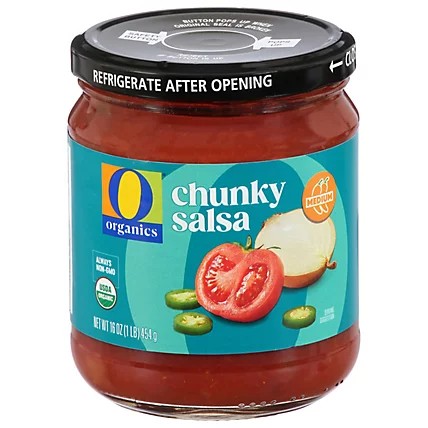
Most salsa is naturally gluten-free and safe for celiac disease. Learn which salsas are safe, what hidden ingredients to watch for, and how to navigate salsa safely at restaurants.
The short answer: Most salsa is naturally gluten-free and safe for celiac disease. Traditional salsa is made from tomatoes, onions, peppers, cilantro, lime, and spices — all naturally gluten-free ingredients. Fresh salsa, jarred salsa, and restaurant salsa are generally safe, but some specialty varieties may contain hidden gluten.
Why Salsa Is Generally Safe
Traditional salsa ingredients:
- Tomatoes — Naturally gluten-free
- Onions — Naturally gluten-free
- Jalapeños/peppers — Naturally gluten-free
- Cilantro — Naturally gluten-free
- Lime juice — Naturally gluten-free
- Garlic — Naturally gluten-free
- Salt — Naturally gluten-free
The classic salsa recipe has no need for wheat, barley, or rye. It’s one of the naturally safest condiments.
Types of Salsa: All Usually Safe
Fresh Pico de Gallo
Always gluten-free:
- Fresh chopped tomatoes, onions, cilantro, jalapeño, lime
- No processing or additives
- The safest option
Salsa Roja (Red Salsa)
Typically gluten-free:
- Tomato-based
- Roasted or fresh tomatoes
- Standard Mexican restaurant salsa
Salsa Verde (Green Salsa)
Typically gluten-free:
- Tomatillo-based
- Green chilies, cilantro, lime
- No gluten ingredients needed
Jarred/Canned Salsa
Usually gluten-free:
- Most major brands are safe
- Check labels for unusual additives
- Simple ingredients are best
Restaurant Salsa
Usually safe, with caveats:
- Made fresh from basic ingredients
- Cross-contact from chips is the main risk
- House-made is usually just vegetables and spices
Major Salsa Brands: Verified Status
Pace
Verified gluten-free:
- Picante Sauce — GF
- Chunky Salsa — GF
- All varieties — GF
Tostitos Salsa
Verified gluten-free:
- Restaurant Style — GF
- Chunky — GF
- Medium/Mild/Hot — All GF
Chi-Chi’s
Verified gluten-free:
- All salsa varieties — GF
- Widely available
Newman’s Own
Verified gluten-free:
- All salsa varieties — GF
- No artificial ingredients
Frontera (Rick Bayless)
Verified gluten-free:
- Premium quality
- Restaurant-style
- All varieties — GF
Herdez
Verified gluten-free:
- Authentic Mexican brand
- Salsa Verde — GF
- Salsa Casera — GF
Mrs. Renfro’s
Many certified gluten-free:
- Labeled gluten-free on many varieties
- Wide range of flavors
- Check individual labels
Store Brands
Usually gluten-free:
- Kirkland (Costco) — Usually GF
- Great Value (Walmart) — Usually GF
- 365 (Whole Foods) — Usually GF
- Trader Joe’s — Usually GF
Where Gluten Might Hide
Unusual Additives
Some specialty salsas may contain:
- Malt vinegar — Contains barley gluten
- Soy sauce — In Asian-fusion salsas
- Modified food starch — Usually corn, but verify if concerned
- Hydrolyzed wheat protein — Rare but possible
Flavored/Specialty Salsas
Higher risk varieties:
| Variety | Potential Risk |
|---|---|
| Mango salsa | Usually safe, check additives |
| Fruit salsas | Usually safe |
| Bean salsa | Usually safe |
| Corn salsa | Usually safe |
| Beer salsa | May contain barley |
| Asian-fusion salsa | May contain soy sauce |
Salsa Con Queso
Not the same as regular salsa:
- Cheese sauce with salsa flavoring
- Some contain wheat flour as thickener
- Velveeta-style quesos may have additives
- Check labels carefully
Chips and Salsa: The Real Risk
The salsa is usually safe. The chips are the concern:
Safe Chips
- Plain corn tortilla chips — Naturally GF
- Tostitos — Verified GF (most varieties)
- Siete — Certified GF
- Late July — Many certified GF
- Mission Tortilla Chips — Usually GF
Risky Chips
- Flavored chips — May contain wheat seasonings
- Multigrain chips — May contain wheat
- Restaurant chips — May be fried in shared oil
Restaurant Chip Warning
At restaurants, tortilla chips may be:
- Fried in same oil as flour tortillas
- Fried with breaded items
- Cross-contacted in preparation
Always ask: “Are these chips fried in a dedicated fryer, or shared with flour items?”
Important: Even if the fryer is dedicated to chips, restaurant environments can never guarantee celiac safety. Home-prepared chips and salsa are the safest option.
Making Salsa at Home (Guaranteed GF)
Fresh Pico de Gallo:
- 4 roma tomatoes, diced
- 1/4 white onion, finely diced
- 1 jalapeño, minced (seeds removed for less heat)
- 1/4 cup fresh cilantro, chopped
- Juice of 1 lime
- Salt to taste
Mix all ingredients. Let sit 15 minutes for flavors to meld.
Roasted Salsa Roja:
- Roast tomatoes, onion, garlic, jalapeño under broiler
- Blend until desired consistency
- Season with salt, lime, cilantro
Reading Salsa Labels
Safe Indicators
- Simple ingredient list — Tomatoes, peppers, onions, spices
- “Gluten-free” label
- No allergen warnings for wheat
Red Flags
- Malt vinegar — Contains barley gluten
- Soy sauce — Usually contains wheat
- “Contains wheat” in allergen statement
- Hydrolyzed wheat protein
- Beer as an ingredient
Quick Reference Summary
| Salsa Type | Gluten-Free? | Notes |
|---|---|---|
| Fresh pico de gallo | YES | Always safe |
| Salsa roja | YES | Tomato-based, naturally GF |
| Salsa verde | YES | Tomatillo-based, naturally GF |
| Jarred salsa (major brands) | YES | Pace, Tostitos, Herdez verified |
| Restaurant salsa | USUALLY | Ask about shared fryer for chips |
| Salsa con queso | CHECK | May contain wheat thickeners |
| Asian-fusion salsa | CHECK | May contain soy sauce |
| Beer salsa | NO | Contains barley |
The Bottom Line
Salsa is one of the safest condiments for celiac disease. Made from tomatoes, peppers, onions, and spices, traditional salsa contains no gluten ingredients.
For safe salsa consumption:
- Most salsa is safe — Fresh, jarred, or restaurant
- Major brands verified — Pace, Tostitos, Herdez, Newman’s Own
- Chips are the concern — Not the salsa itself
- Avoid specialty varieties — Beer salsa, Asian-fusion with soy sauce
- Make your own — Fresh pico de gallo is easy and guaranteed safe
Grab that salsa with confidence — just be careful about the chips you dip.
Related Guides
- Is Ketchup Gluten Free?
- Is Soy Sauce Gluten Free?
- Is Mustard Gluten Free?
- Are Tortilla Chips Gluten Free?
- Is Hummus Gluten Free?