Most mustard is naturally gluten-free and safe for celiac disease. Learn which varieties are safe, why some specialty mustards contain gluten, and what to watch for on labels.
The short answer: Most mustard is naturally gluten-free and safe for celiac disease. Traditional mustard is made from mustard seeds, vinegar, water, and spices — all naturally gluten-free. However, some specialty mustards, particularly certain Dijon varieties, may contain wheat flour or malt vinegar, so label reading is important.
Why Most Mustard Is Safe
Basic mustard ingredients:
- Mustard seeds — Naturally gluten-free
- Distilled vinegar — Gluten-free
- Water — Naturally gluten-free
- Salt — Naturally gluten-free
- Turmeric (in yellow mustard) — Gluten-free
- Spices — Typically gluten-free
Mustard is one of the oldest condiments, and the traditional recipe requires no wheat, barley, or rye.
Mustard Types: Gluten Status
Yellow Mustard
Generally gluten-free
The classic American mustard:
- French’s Yellow — Verified gluten-free
- Heinz Yellow — Verified gluten-free
- Store brands — Usually gluten-free
Simple recipe: mustard seeds, vinegar, turmeric, spices.
Dijon Mustard
Usually safe, but check labels
Traditional Dijon is made with wine or verjuice (grape juice), not malt vinegar:
- Grey Poupon Dijon — Verified gluten-free
- Maille Dijon — Usually GF, verify label
- French-made Dijons — Check for wheat flour
Historical note: Traditional Dijon used verjuice, but some modern recipes may include wheat flour as a thickener. Always check.
Whole Grain Mustard
Usually gluten-free
Made with whole mustard seeds:
- Maille Whole Grain — Check label
- Inglehoffer — Usually GF
- The “grains” are mustard seeds, not wheat
Honey Mustard
Usually gluten-free
- French’s Honey Mustard — Verified gluten-free
- Store brands — Usually GF
- Watch for: Some may add wheat-based thickeners
Spicy/Brown Mustard
Usually gluten-free
Deli-style mustard:
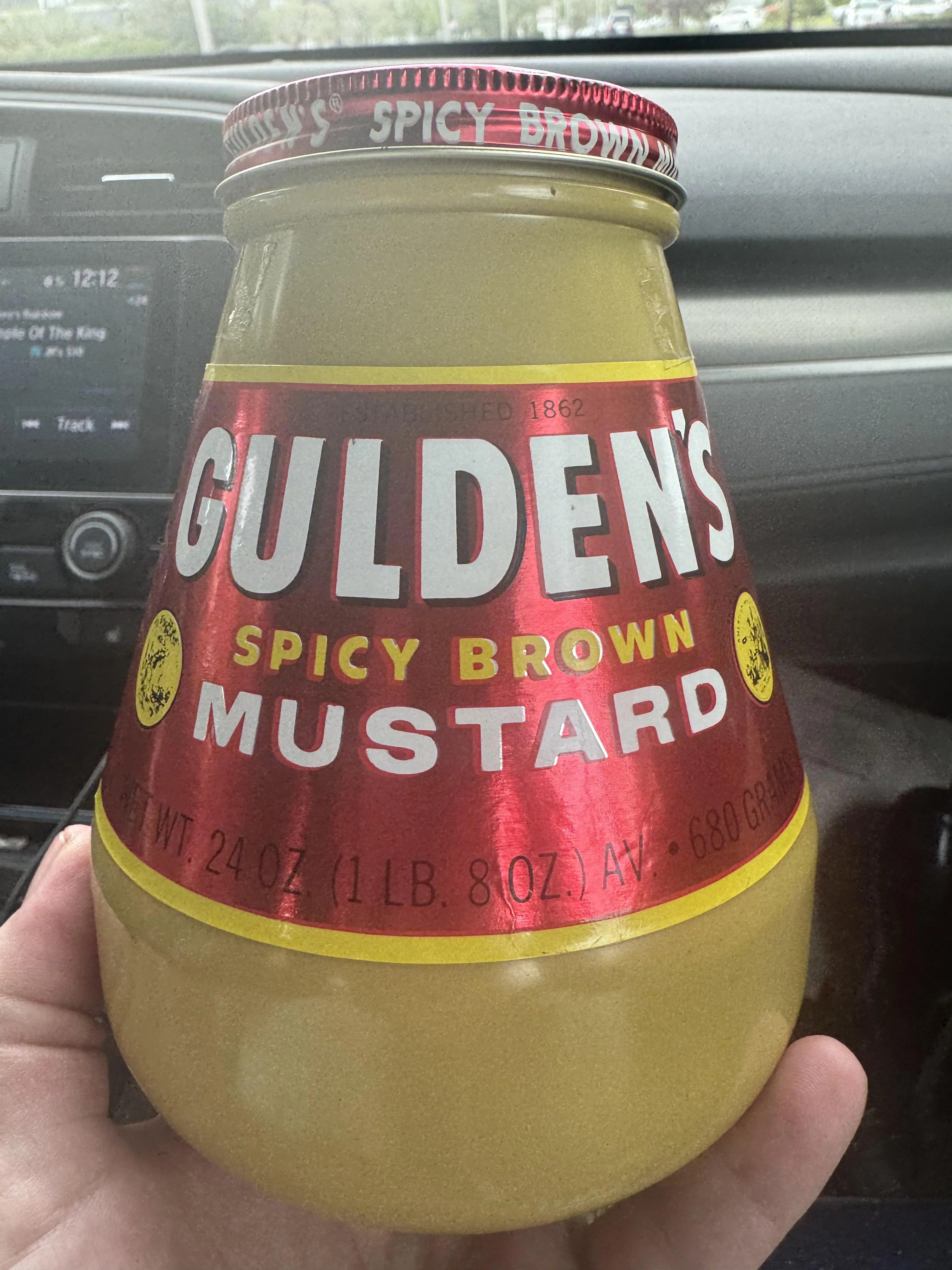
- Gulden’s Spicy Brown — Verified gluten-free
- Nathan’s Famous — Check label
- Brown mustard seeds instead of yellow
Beer Mustard
CONTAINS GLUTEN
- Made with actual beer (barley)
- Always avoid for celiac
- Popular at pubs and with pretzels
Flavored Mustards
Check carefully
- Horseradish mustard — Usually GF
- Garlic mustard — Usually GF
- Pretzel mustard — May contain beer or malt
- Ale mustard — Contains gluten
Major Mustard Brands: Verified Status
French’s
All varieties verified gluten-free:
- Yellow Mustard — GF
- Spicy Brown — GF
- Honey Mustard — GF
- Dijon — GF
Grey Poupon
Verified gluten-free:
- Dijon — GF
- Country Dijon — GF
- Harvest Coarse Ground — GF
Heinz
Verified gluten-free:
- Yellow Mustard — GF
- Spicy Brown — GF
Gulden’s
Verified gluten-free:
- Spicy Brown — GF
- Original recipe since 1862
Annie’s
Verified gluten-free, organic:
- Organic Yellow — GF
- Organic Dijon — GF
- Organic Honey — GF
Sir Kensington’s
Verified gluten-free, premium:
- Dijon — GF
- Yellow — GF
- Spicy Brown — GF
Where Gluten Hides in Mustard
Wheat Flour as Thickener
Some mustards, particularly:
- Cheap brands
- European imports
- “Creamy” varieties
May use wheat flour to thicken. Check for “wheat” or “flour” in ingredients.
Malt Vinegar
Some British-style and specialty mustards use malt vinegar:
- Malt vinegar — Made from barley, contains gluten
- Check imports — UK products more likely to use malt vinegar
- Spirit vinegar/distilled — Safe alternatives
Beer and Ale
Obvious gluten source:
- Beer mustard — Contains barley
- Ale mustard — Contains barley
- Pub-style mustards — Often made with beer
Mustard at Restaurants
Generally Safe
Restaurant mustard is usually:
- Major brand (French’s, Heinz)
- Served in packets — Same as retail
- Yellow or Dijon — Both typically safe
Potential Concerns
- House-made mustard — Unknown ingredients
- Beer mustard — Common at gastropubs
- Pretzel accompaniments — May be beer-based
- Cross-contact — Shared utensils with bread service
Questions to Ask
For house-made mustard:
- “Does this contain beer or ale?”
- “Is there wheat flour in the recipe?”
- “What type of vinegar is used?”
Mustard in Other Foods
Mustard appears in many recipes — check these:
| Food | Mustard Used | Gluten Risk |
|---|---|---|
| Salad dressings | Often Dijon | Low (usually GF Dijon) |
| Marinades | Various | Check recipe |
| BBQ sauce | Yellow or spicy | Usually safe |
| Deviled eggs | Yellow | Safe |
| Honey mustard dressing | Honey mustard | Usually safe |
| Beer cheese dip | May use beer mustard | Check ingredients |
Making Your Own Mustard
For guaranteed safety:
Basic Yellow Mustard:
- 1/4 cup yellow mustard powder
- 1/4 cup water
- 2 tbsp distilled white vinegar
- 1/4 tsp turmeric
- 1/4 tsp salt
- Pinch of paprika
Mix and let sit overnight for flavors to develop.
Basic Dijon:
- 1/4 cup brown mustard seeds
- 1/2 cup dry white wine
- 3 tbsp white wine vinegar
- 1/2 tsp salt
Grind and blend until smooth.
Reading Mustard Labels
Safe Indicators
- “Gluten-free” label
- Distilled vinegar — Safe
- Wine or wine vinegar — Safe (Dijon)
- Simple ingredients — Mustard, vinegar, salt, spices
Red Flags
- Wheat flour — Contains gluten
- Malt vinegar — Contains barley gluten
- Beer or ale — Contains gluten
- Modified food starch — Usually corn, but verify if concerned
- “Contains wheat” — Allergen warning
Quick Reference Summary
| Mustard Type | Gluten-Free? | Notes |
|---|---|---|
| Yellow mustard | YES | French’s, Heinz verified |
| Dijon | USUALLY | Grey Poupon verified, check imports |
| Spicy brown | YES | Gulden’s verified |
| Whole grain | USUALLY | Check for wheat flour |
| Honey mustard | USUALLY | Check for additives |
| Beer mustard | NO | Contains barley |
| Ale mustard | NO | Contains barley |
| Store brands | USUALLY | Check labels |
The Bottom Line
Most mustard is naturally gluten-free and safe for celiac disease. The basic recipe — mustard seeds, vinegar, salt, spices — contains no gluten. Major brands like French’s, Grey Poupon, and Gulden’s are all verified safe.
For safe mustard use:
- Yellow and Dijon are typically safe — Major brands verified
- Avoid beer/ale mustard — Contains barley gluten
- Check imported mustards — May use wheat flour or malt vinegar
- Restaurant packets are safe — Usually major brands
- Ask about house-made — Verify no beer or wheat flour
Mustard is one of the easier condiments for celiac patients. Stick with major brands and avoid obvious beer-based varieties, and you’ll have no issues.
Related Guides
- Is Ketchup Gluten Free?
- Is Mayo Gluten Free?
- Is Soy Sauce Gluten Free?
- Is Worcestershire Sauce Gluten Free?
- Is Salsa Gluten Free?