Gin is distilled from grain. The celiac-safe default is naturally-GF spirits or grape/potato/corn-based gins like G'Vine, Cold River, or Ungava.
The short answer: Gin is distilled from grain. The same caveats as vodka and whiskey apply — distillation removes gluten in theory, but reactions are reported. Celiac-safe default: naturally-GF spirits, or grape/potato/corn-based gins like G’Vine, Cold River, or Ungava.
How Gin Is Made
The Base Spirit
Gin starts as a neutral grain spirit:
- Common grains: Wheat, barley, rye, corn
- Fermentation: Grains converted to alcohol
- Distillation: Alcohol evaporated and condensed
- Result: Neutral spirit (similar to vodka)
The Botanicals
What makes gin unique:
- Juniper berries — Required by law, gives gin its piney flavor
- Coriander — Common botanical
- Citrus peels — Lemon, orange, grapefruit
- Other botanicals — Angelica, orris root, cardamom, etc.
The botanicals are all naturally gluten-free. The question is the grain base.
The Distillation Debate
Why Industry Says It’s Gluten-Free
The distillation argument:
- Grain mash ferments into alcohol
- Liquid is heated in a still
- Alcohol evaporates (boiling point 173°F)
- Gluten proteins don’t evaporate (too heavy)
- Condensed vapor is gluten-free
Industry consensus:
- Celiac Disease Foundation considers distilled spirits GF
- Beyond Celiac says distilled gin is safe
- FDA allows “gluten-free” labeling for distilled products
Why Celiac Patients Still Report Reactions
Possible explanations:
- Post-distillation additives — Flavorings added after distillation
- Compound gins — Some made by adding flavors to neutral spirit without redistillation
- Trace gluten peptides — Distillation may not remove all immunogenic fragments
- Quality variations — Poor distillation practices
Like with vodka and whiskey, the celiac-safe default removes the question by choosing a non-grain base.
Gin Categories: Risk Assessment
London Dry Gin (Less Risky Grain Base)
Traditional, well-distilled:
- No added sugars or flavors after distillation
- Multiple distillation runs
- Pure botanical infusion
- Examples: Tanqueray, Beefeater, Bombay Sapphire
Plymouth Gin (Less Risky Grain Base)
Protected designation, quality standards:
- Made only in Plymouth, England
- Traditional methods
- Well-regulated production
Compound Gin (Higher Risk)
May not be fully distilled:
- Flavors/essences added to neutral spirit
- Less rigorous process
- Check production methods if concerned
Flavored/Sweetened Gin (Verify)
Added ingredients post-distillation:
- Sloe gin (often has added sugar)
- Pink gin (may have colorings/flavorings)
- Fruit-flavored gins
- Cream gins
Recommended Gin Brands
Traditional Grain-Based (Industry Says GF; Patient Reports Vary)
Tanqueray
- London Dry style
- Multiple distillations
- Well-established process
Beefeater
- London Dry
- Traditional production
- Widely available
Bombay Sapphire
- Vapor infusion process
- High-quality distillation
- Popular choice
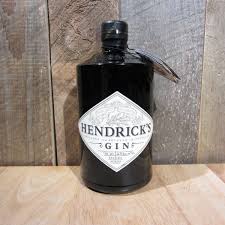
Hendrick’s
- Scottish gin
- Cucumber and rose notes
- Premium quality
Grain-Free Gins (Celiac-Safe Default)
For a celiac-safe gin, choose one with a non-grain base:
Comb 9 Gin
- Made from honey
- No grain whatsoever
- Certified gluten-free
G’Vine Gin
- Made from grapes
- No grain base
- French production
Ungava Gin
- Made from corn
- Canadian Arctic botanicals
- Corn is naturally GF
Cold River Gin
- Made from potatoes
- Maine-produced
- Certified gluten-free
Gin Cocktails: Watch the Mixers
Classic Gin Cocktails (No Gluten Ingredients)
| Cocktail | Ingredients | Status |
|---|---|---|
| Gin & Tonic | Gin, tonic water | No gluten ingredients (verify tonic) |
| Martini | Gin, vermouth | No gluten ingredients (dry vermouth is GF) |
| Gimlet | Gin, lime | No gluten ingredients |
| Negroni | Gin, Campari, vermouth | No gluten ingredients |
| Tom Collins | Gin, lemon, sugar, soda | No gluten ingredients |
Verify These
| Cocktail | Concern | Check |
|---|---|---|
| Flavored G&T | Flavored tonic | May have additives |
| Sloe Gin Fizz | Sloe gin | Usually GF but verify |
| Aviation | Crème de violette | Verify liqueur |
Mixers Status
- Tonic water — Most brands GF (Schweppes, Fever-Tree, Q Tonic)
- Vermouth — GF (wine-based)
- Campari — GF
- Simple syrup — GF (sugar + water)
- Fresh citrus — GF
Naturally-GF Spirit Alternatives
The celiac-safe default — spirits that never had gluten:
Vodka (Non-Grain Options)
- Tito’s — Corn-based, certified GF
- Chopin — Potato-based
- Cîroc — Grape-based
Other Naturally-GF Spirits
- Tequila — Agave-based, naturally GF
- Rum — Sugarcane-based, GF
- Brandy — Grape-based, GF
Reading Gin Labels
Lower-Risk Indicators
- “Distilled” — Indicates proper distillation
- “London Dry” — Strict production standards
- Grape/potato/corn base — Non-grain, celiac-safe default
- “Gluten-free” label — Verified by producer
Requires Verification
- “Compound gin” — May not be fully distilled
- Flavored varieties — Check added ingredients
- Sweetened gins — Verify additives
- No production info — Contact manufacturer
Quick Reference Summary
| Gin Type | Celiac-Safe? | Notes |
|---|---|---|
| London Dry | Industry says yes, patient reports vary | Well-distilled, traditional |
| Plymouth | Industry says yes, patient reports vary | Quality standards |
| Traditional brands | Industry says yes, patient reports vary | Tanqueray, Beefeater, Bombay |
| Compound gin | NO | Production less rigorous |
| Flavored gin | VERIFY | Check additives |
| Grape-based gin | YES | No grain involvement |
| Potato-based gin | YES | No grain involvement |
| Corn-based gin | YES | No grain involvement |
The Bottom Line
Industry consensus says properly distilled gin is gluten-free. Patient reports of reactions are documented. The celiac-safe default is to skip the distillation question entirely.
For celiac-safe gin drinking:
- Naturally-GF base is the default — Grape, potato, or corn-based gins
- Avoid compound gins — Production less rigorous
- Avoid flavored varieties — Added ingredients add risk
- If you’re going to drink grain gin — London Dry is less risky than compound gin, but still grain-based
- Watch your mixers — Verify the tonic and any added ingredients
Related Guides
- Is Vodka Gluten Free?
- Is Whiskey Gluten Free?
- Is Tequila Gluten Free?
- Is Beer Gluten Free?
- Is Wine Gluten Free?