Plain butter is naturally gluten-free and safe for celiac disease. However, flavored butters, butter substitutes, and cross-contact can introduce gluten.
The short answer: Plain butter is naturally gluten-free and safe for celiac disease. Butter is made from cream — a dairy product that contains no gluten. Most plain butter from any brand is safe. The concerns arise with flavored butters, some butter substitutes, and cross-contact in shared kitchens or restaurants.
Why Plain Butter Is Safe
Butter is one of the simplest foods:
- Cream — Churned milk fat, naturally gluten-free
- Salt (in salted butter) — Naturally gluten-free
- Sometimes cultures — Bacterial cultures for cultured butter, GF
That’s it. Traditional butter contains nothing from wheat, barley, or rye. It’s one of the safest packaged foods for celiac patients.
Types of Butter: All Naturally GF
Salted Butter
- Ingredients: Cream, salt
- Status: Gluten-free
Unsalted Butter
- Ingredients: Cream
- Status: Gluten-free
European-Style Butter
- Ingredients: Cream (higher fat content)
- Status: Gluten-free
- Examples: Kerrygold, Plugra, President
Cultured Butter
- Ingredients: Cream, cultures
- Status: Gluten-free
- Note: Tangier flavor from fermentation
Clarified Butter/Ghee
- Ingredients: Butter with milk solids removed
- Status: Gluten-free
- Bonus: Shelf-stable, higher smoke point
Whipped Butter
- Ingredients: Butter with air
- Status: Gluten-free
- Note: Lighter, spreads easier
Where Gluten Can Hide
Flavored Butters
Compound and flavored butters may contain gluten:
| Flavor | Potential Gluten Source |
|---|---|
| Garlic herb butter | Usually safe, check seasonings |
| Honey butter | Usually safe |
| Cinnamon butter | Usually safe, verify additives |
| Beer butter | Contains barley |
| Miso butter | Some miso contains barley |
| Compound butters | Depends on added ingredients |
Butter Substitutes and Spreads
These are NOT the same as butter:
- Margarine — May contain gluten additives
- Butter-flavored spreads — Check labels carefully
- Plant-based butters — Varies by brand
- “I Can’t Believe It’s Not Butter” — Check current label
Cross-Contact Scenarios
At home:
- Butter contaminated from spreading on wheat bread
- Double-dipping knives into butter dish
- Shared butter containers
At restaurants:
- Butter dishes served with bread baskets
- Flavored butter mixed with gluten ingredients
- Shared prep surfaces
In baking:
- Using same measuring cups for flour and butter
- Cross-contact on work surfaces
Major Butter Brands: Gluten Status
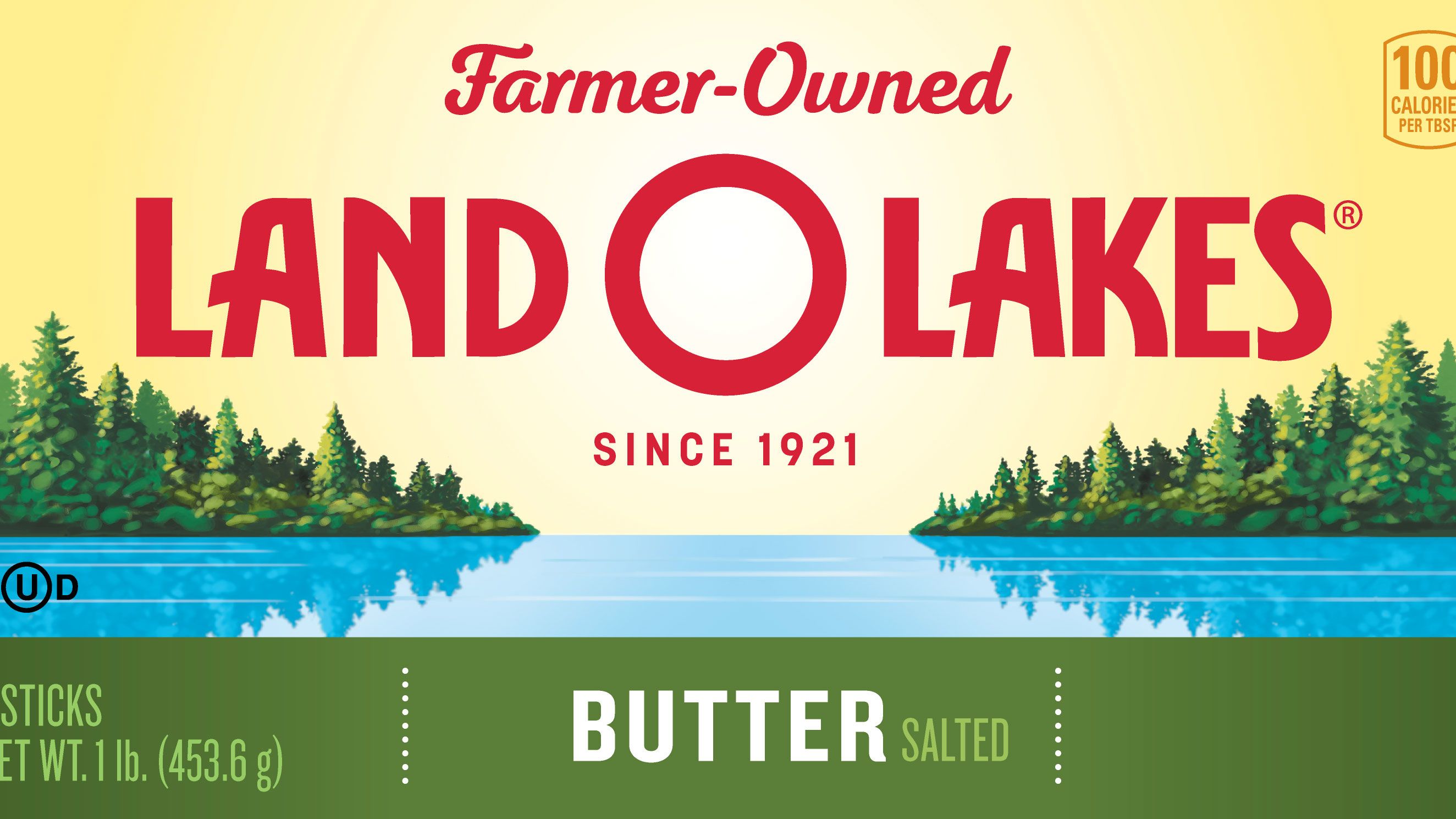
Land O’Lakes
All plain butters gluten-free
America’s most popular butter brand:
- Salted — Gluten-free
- Unsalted — Gluten-free
- European Style — Gluten-free
- Whipped — Gluten-free
- Light Butter — Gluten-free
Kerrygold
All butter products gluten-free
Irish grass-fed butter, widely loved:
- Salted — Gluten-free
- Unsalted — Gluten-free
- Dubliner Cheese — Also GF (different product)
- Availability: Most grocery stores
Buy Kerrygold Butter on Amazon
Challenge Butter
Plain varieties gluten-free
West Coast favorite:
- Salted — Gluten-free
- Unsalted — Gluten-free
- European Style — Gluten-free
Organic Valley
Certified organic, gluten-free
For those preferring organic:
- Status: Gluten-free
- Pasture-raised options available
- Availability: Natural grocery stores, many supermarkets
Vital Farms
Pasture-raised, gluten-free
Premium butter from pasture-raised cows:
- Status: Gluten-free
- Quality: Bright yellow color, rich flavor
- Availability: Growing distribution
Buy Vital Farms Butter on Amazon
Store Brands
Almost always gluten-free
Plain butter from store brands is typically safe:
- Kirkland (Costco) — Gluten-free
- Great Value (Walmart) — Gluten-free
- 365 (Whole Foods) — Gluten-free
- Any plain butter — Check label to confirm
Ghee: A Celiac-Friendly Option
Ghee (clarified butter) is naturally gluten-free and has some advantages:
Benefits of Ghee
- Longer shelf life — No milk solids to spoil
- Higher smoke point — Better for high-heat cooking
- Lactose-free — Milk solids removed
- Rich flavor — Nutty, concentrated butter taste
Recommended Ghee Brands
Fourth & Heart Ghee
- Certified gluten-free
- Grass-fed
- Multiple flavors (plain is GF, verify flavored)
Buy Fourth & Heart Ghee on Amazon
Ancient Organics Ghee
- Certified organic
- Grass-fed
- Artisanal quality
Organic Valley Ghee
- Certified organic
- Widely available
Butter Alternatives for Dairy-Free
If avoiding dairy AND gluten:
Miyoko’s Vegan Butter
Certified gluten-free, dairy-free
Cultured plant-based butter:
- Certification: Certified gluten-free
- Base: Coconut oil, cashews
- Taste: Closest to real butter
- Availability: Growing distribution
Earth Balance
Most varieties gluten-free
Popular plant-based spread:
- Status: Check individual products
- Varieties: Soy-free, organic available
- Note: Some specialty flavors may vary
Melt Organic
Certified gluten-free
Organic plant-based butter:
- Certification: Certified gluten-free
- Availability: Natural grocery stores
Butter in Baking: GF Considerations
Butter itself is safe, but baking introduces variables:
Using Butter in GF Recipes
- Room temperature for creaming with sugar
- Cold butter for flaky pastries
- Measure carefully — GF baking is precise
- Same amounts — Butter amounts don’t change for GF
Cross-Contact in Baking
- Clean work surfaces before GF baking
- Dedicated measuring cups or wash thoroughly
- Separate butter dish if sharing kitchen
Browned Butter
Browning butter (cooking until milk solids brown) is GF:
- Adds nutty flavor to GF baked goods
- Watch carefully — burns easily
- Cool before adding to batters
Butter at Restaurants
Common Issues
- Bread service butter — Crumbs may be in the butter
- Flavored butters — May contain gluten ingredients
- Shared butter dishes — Cross-contact risk
- “Butter” that’s margarine — May have additives
Safe Practices
- Ask for individual butter packets — Sealed, uncontaminated
- Request plain butter — Not compound or flavored
- Skip the bread basket butter — Ask for separate serving
- Verify ingredients in butter sauces
Restaurant Butter Sauces
Common butter-based sauces:
| Sauce | Typically Safe? | Watch For |
|---|---|---|
| Clarified butter | Yes | Nothing added |
| Garlic butter | Usually | Verify seasoning |
| Lemon butter | Usually | Check for flour thickener |
| Béarnaise | Usually | Traditional recipe is GF |
| Hollandaise | Usually | Traditional recipe is GF |
| Beurre blanc | Usually | Check for flour |
Cross-Contact Prevention at Home
The Double-Dipping Problem
Most butter cross-contact comes from knives:
- Knife spreads butter on wheat toast
- Knife returns to butter dish
- Crumbs now in butter
- Butter is contaminated
Solutions
Squeeze bottles:
- Squeeze butter keeps crumbs out
- No knife contact needed
Dedicated butter:
- Your own butter dish, clearly labeled
- Never used with wheat bread
Butter curler:
- Curl fresh butter from stick
- No double-dipping possible
Individual portions:
- Cut butter pats for yourself
- Store separately
Quick Reference Summary
| Status | Details |
|---|---|
| Naturally GF? | Yes — butter is just cream and salt |
| Safe Brands | All major brands (Land O’Lakes, Kerrygold, Challenge, etc.) |
| Hidden Gluten Risk | Flavored butters, butter substitutes |
| Cross-Contact | Double-dipping, shared dishes at restaurants |
| Dairy-Free GF | Miyoko’s, Melt Organic (certified GF) |
| Best Practice | Keep dedicated butter in shared kitchens |
The Bottom Line
Plain butter is one of the safest foods for celiac disease. Made from cream alone (with optional salt), butter contains no gluten ingredients and poses virtually no risk from formulation.
For safe butter use:
- Any plain butter is safe — Salted, unsalted, European-style
- Check flavored varieties — Some may have gluten additives
- Prevent cross-contact — Keep dedicated butter in shared kitchens
- At restaurants — Request sealed butter packets
- For dairy-free needs — Miyoko’s is certified GF
For premium butter experience, Kerrygold (grass-fed) or Vital Farms (pasture-raised) offer exceptional quality while being naturally gluten-free.
Butter is an easy win for celiac patients — enjoy it freely on your GF bread, in your GF baking, and in your cooking.
Related Guides
- Is Cream Cheese Gluten Free?
- Is Peanut Butter Gluten Free?
- Is Hummus Gluten Free?
- Is Sourdough Gluten Free?