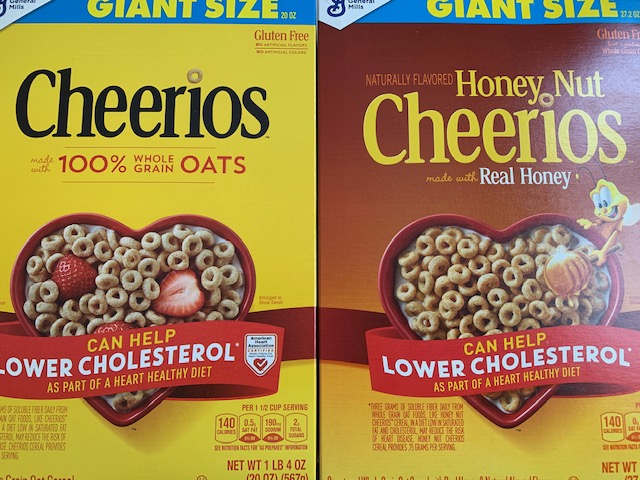
Cheerios are not celiac-safe. General Mills uses mechanical sorting, not the purity protocol, and major celiac organizations (CDF, Beyond Celiac, GIG) recommend against them.
The short answer: Cheerios are NOT celiac-safe. General Mills uses mechanical sorting rather than the purity protocol, independent testing has repeatedly found gluten contamination above the 20 ppm threshold, and the major celiac organizations (Celiac Disease Foundation, Beyond Celiac, the GIG) recommend against them. Choose certified-GF purity-protocol oats instead.
The Cheerios Controversy Explained
In 2015, General Mills announced that Cheerios would be gluten-free. The celiac community was excited — until they learned how General Mills achieved this.
Mechanical Sorting vs. Purity Protocol
There are two ways to produce gluten-free oats:
Purity Protocol (Gold Standard):
- Oats grown in dedicated gluten-free fields
- Harvested with dedicated equipment
- Processed in dedicated facilities
- No gluten grains ever contact the oats
- Used by brands like Bob’s Red Mill, GF Harvest
Mechanical Sorting (Cheerios Method):
- Conventional oats grown alongside wheat
- Optical sorters remove visible wheat, barley, rye kernels
- Cannot remove gluten dust or small particles
- Cannot remove gluten already on oat surfaces
- Relies on technology, not prevention
General Mills chose mechanical sorting because it’s cheaper and allows them to use their existing oat supply chain.
The Problem with Mechanical Sorting
Optical sorting machines look for wheat kernels that are different in size/shape from oat kernels. This approach has limitations:
- Gluten dust isn’t removed — Wheat dust settles on oats during harvest/transport
- Small particles slip through — Broken wheat pieces may pass sorting
- Surface contamination remains — Gluten on oat surfaces isn’t detected
- Batch variation — Some batches may exceed safe levels
What Testing Has Found
Gluten Free Watchdog Findings
Gluten Free Watchdog, an independent testing organization, has repeatedly found issues with Cheerios:
- 2015: Multiple boxes tested above 20 ppm
- Ongoing testing: Inconsistent results, some boxes safe, others not
- Warning letters: GFW sent formal warnings to General Mills
The 2015 Recall
Shortly after launching “gluten-free” Cheerios, General Mills recalled 1.8 million boxes due to wheat contamination:
- Cause: Wheat flour accidentally introduced during production
- Impact: Some celiac patients reported reactions before recall
- Response: General Mills blamed human error, not the sorting process
Celiac Community Reports
Many celiac patients have reported symptoms after eating Cheerios:
- Digestive symptoms typical of gluten exposure
- Reactions even to small servings
- Improvement when switching to purity protocol oat cereals
Note: Anecdotal reports aren’t scientific proof, but the volume of complaints is notable.
What Celiac Organizations Say
Gluten Free Watchdog
Recommends against. GFW does not recommend Cheerios for people with celiac disease due to testing inconsistencies and contamination findings.
Celiac Disease Foundation
Recommends purity-protocol oats instead. CDF documents the differences between mechanical sorting and purity protocol and advises celiac patients to choose certified-GF purity-protocol oat products.
Beyond Celiac
Recommends against. Notes that mechanical sorting differs from purity protocol and that reactions are documented.
Canadian Celiac Association
Does not endorse. Has formally expressed concerns about the mechanical sorting process.
The consensus across major celiac organizations: choose purity-protocol oats, not Cheerios.
Should You Eat Cheerios?
No. The evidence is uniform across testing organizations and major celiac organizations.
Reasons Cheerios Are Not Celiac-Safe
- Testing failures — Boxes have repeatedly tested above 20 ppm
- Mechanical sorting limitations — Doesn’t remove gluten dust or surface contamination
- Documented reactions — Many celiac patients report reactions
- Better alternatives exist — Purity-protocol oats are readily available
- No margin for error — Celiac is an autoimmune condition; intermittent contamination causes intermittent damage
Reasons People Still Eat Them
- FDA labeled gluten-free — Meets the legal label standard (<20 ppm) on paper
- Widely available and affordable
- Absence of acute symptoms — Some don’t feel acute reactions, which is not the same as no damage
Our Recommendation
Choose certified gluten-free oat cereals made with purity-protocol oats instead of Cheerios. Bob’s Red Mill GF, GF Harvest, and similar brands meet a real celiac-safe standard. Cheerios does not.
Celiac-Safe Cereal Alternatives
These cereals use purity-protocol oats or are naturally oat-free:
Three Wishes Grain-Free Cereal
Certified gluten-free, no oats
Made from chickpeas, pea protein, and tapioca. No grains at all.
- Certification: Certified gluten-free
- Flavors: Honey, Cinnamon, Cocoa, Unsweetened
- Availability: Target, Amazon, grocery stores
Buy Three Wishes Cereal on Amazon
Nature’s Path Organic (Verified GF Varieties)
Some varieties certified gluten-free
Nature’s Path makes several GF cereals. Check labels carefully — not all are GF.
- Safe varieties: Envirokidz Gorilla Munch, Leapin’ Lemurs, others labeled GF
- Certification: Certified gluten-free varieties available
- Availability: Most grocery stores
Barbara’s Puffins (Original)
Certified gluten-free
Puffins cereal is a popular GF alternative similar to Cheerios texture.
- Certification: Certified gluten-free
- Taste: Slightly sweeter than Cheerios
- Availability: Most grocery stores
Love Grown Power O’s
Certified gluten-free, bean-based
Made from beans, these O-shaped cereals are naturally grain-free.
- Certification: Certified gluten-free
- Flavors: Original, Chocolate, Strawberry
- Bonus: Higher protein than grain cereals
Buy Love Grown Power O’s on Amazon
Make Your Own GF Oatmeal
If you want oat-based breakfast:
- Buy Bob’s Red Mill GF Oats (purity protocol, GFCO certified)
- Cook as oatmeal
- Add toppings as desired
This gives you oats you can trust in a breakfast format.
The Broader Lesson: Mechanical Sorting
Cheerios isn’t the only product using mechanical sorting. When evaluating any “gluten-free oat” product:
Questions to Ask
- How are the oats sourced? — Purity protocol or conventional?
- What’s the certification? — GFCO (<10 ppm) vs. FDA label (<20 ppm)?
- Is it third-party tested? — Independent verification?
- What’s the facility status? — Dedicated GF or shared?
Trustworthy Oat Brands (Purity Protocol)
- Bob’s Red Mill GF — GFCO certified, dedicated facility
- GF Harvest — Founded by celiac advocates
- Montana Gluten Free — Purity protocol certified
- Bakery On Main — GFCO certified
Quick Reference Summary
| Status | Details |
|---|---|
| Labeled GF? | Yes — FDA “gluten-free” label (<20 ppm legal standard) |
| Celiac-Safe? | NO — testing has repeatedly found contamination above 20 ppm |
| Method | Mechanical sorting (not purity protocol) |
| Major celiac org consensus | Recommend against |
| Celiac-Safe Alternatives | Three Wishes, Bob’s Red Mill GF Oats, Love Grown |
| Bottom Line | Not celiac-safe; choose purity-protocol oats |
The Bottom Line
Cheerios are NOT celiac-safe. The FDA label is legally accurate at the <20 ppm threshold, but independent testing has repeatedly shown boxes exceeding that threshold, and the major celiac organizations recommend against them. The mechanical sorting process is fundamentally not the same standard as purity protocol.
For a celiac-safe breakfast:
- Choose cereals made with purity-protocol oats or no oats at all
- Three Wishes and Love Grown are grain-free alternatives
- If you want oats, use Bob’s Red Mill GF Oats (GFCO-certified, purity protocol)
A “gluten-free” label is not the same as celiac-safe. Purity-protocol certification is. Choose the higher standard.
Related Guides
- Is Oatmeal Gluten Free?
- Are Doritos Gluten Free?
- Is Popcorn Gluten Free?
- Are Tortilla Chips Gluten Free?