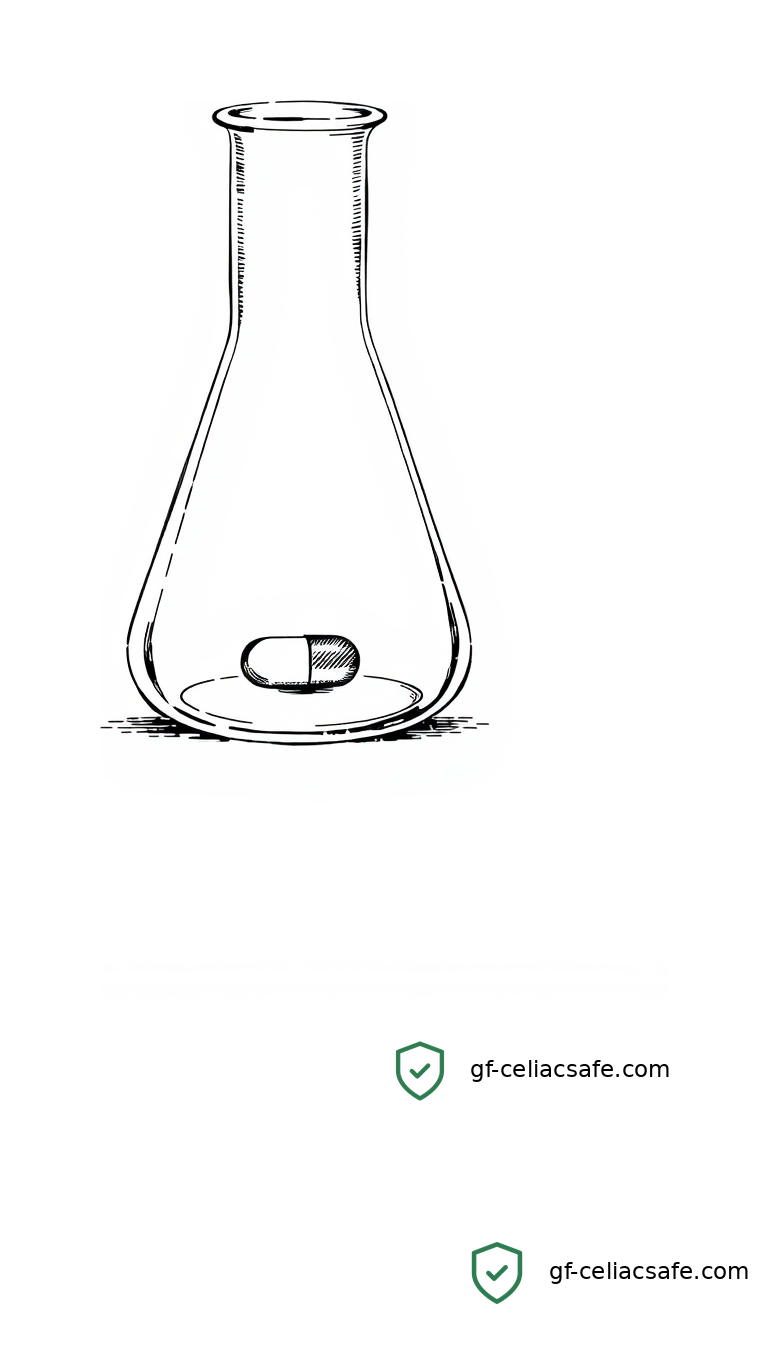
For families managing celiac disease, the gluten-free diet has been the only treatment option for decades. Now, as reported by Medical Xpress, an experimental drug is generating renewed optimism that pharmaceutical treatment for celiac disease may finally be within reach.
This matters deeply to me as a celiac parent. My son follows the gluten-free diet meticulously, but the burden of vigilance never lets up. The possibility that a medication could one day provide an additional layer of protection—or even allow for some dietary flexibility—represents the kind of breakthrough celiac families have been waiting for.
Why This News Is Significant
The celiac community has watched drug candidates come and go over the years. Some have stalled in clinical trials, others have been abandoned for lack of efficacy or funding. So why should this development warrant attention?
The current wave of celiac drug research has matured considerably. Unlike earlier efforts that focused on single mechanisms, today’s candidates target multiple points in the disease process. Some aim to break down gluten before it triggers an immune response. Others work to modulate the immune system itself. Still others focus on repairing the intestinal barrier that becomes damaged in celiac disease.
As I discussed in our earlier coverage, “Upcoming Treatments in Celiac Disease: From Luminal Enzymes to Oral Immune Tolerance,” the pipeline of potential treatments has expanded significantly. The experimental drug now in the spotlight represents one of several promising approaches moving through clinical development.
What Celiac Families Should Understand
Before getting swept up in optimism, celiac patients and families should understand several realities about drug development for this condition.
The Goal Is Not Replacing the Gluten-Free Diet
Most drugs in development are not designed to let celiac patients eat pizza and bread with abandon. Instead, they aim to protect against accidental gluten exposure—the stray crumb, the shared fryer, the well-meaning relative who didn’t realize the gravy had flour in it. For anyone who has seen the aftermath of cross-contact, even this more modest goal would be transformative.
My son can do everything right and still get exposed to gluten. Restaurant kitchens, school cafeterias, birthday parties—these situations carry risk no matter how careful we are. A medication that could neutralize small amounts of accidental gluten would fundamentally change the anxiety that accompanies every meal outside our home.
Clinical Trials Take Time
Drug development is a marathon, not a sprint. Even promising candidates must progress through Phase 1 (safety), Phase 2 (efficacy and dosing), and Phase 3 (large-scale confirmation) trials before seeking regulatory approval. This process typically takes years, and many drugs that show early promise do not make it to market.
For celiac families eager for solutions, this timeline can feel excruciating. But the rigorous testing process exists to ensure that any approved treatment is both safe and effective. The celiac community deserves nothing less.
Multiple Approaches Are in Development
The good news is that researchers are not placing all their bets on a single approach. The current landscape of celiac drug development includes:
Enzyme therapies that break down gluten proteins in the stomach before they reach the small intestine. These would function somewhat like lactase supplements do for lactose intolerance.
Tight junction regulators that aim to prevent gluten fragments from slipping through the intestinal barrier and triggering immune activation.
Immune modulators that work to dampen or redirect the specific immune response that causes intestinal damage in celiac disease.
Tolerizing therapies that attempt to retrain the immune system to stop recognizing gluten as a threat.
Each approach has different strengths, limitations, and potential applications. Some might work best for preventing damage from accidental exposure, while others might eventually allow for more significant dietary flexibility.
The Lived Reality Behind the Headlines
Reading about experimental drugs can feel abstract. Let me make it concrete.
The gluten-free diet works. When followed strictly, it allows the intestine to heal and symptoms to resolve. But “strict” is the operative word, and achieving it is relentlessly difficult. Every label must be scrutinized. Every restaurant requires research and often awkward conversations with staff. Every social gathering becomes an exercise in risk assessment.
For children with celiac disease, the social dimension hits particularly hard. Watching classmates share birthday cake. Explaining—again—why they can’t have the pizza at the sleepover. Feeling different at an age when fitting in matters enormously.
A treatment that could provide a safety margin for accidental exposure would not just prevent physical symptoms. It would ease the psychological burden that comes with living under constant dietary vigilance.
Keeping Perspective
I want to be clear: celiac families should not abandon the gluten-free diet in anticipation of pharmaceutical treatment. The diet remains the standard of care, and no drug has yet been approved to change that. Even when treatments do reach the market, they will likely complement rather than replace dietary management.
But there is genuine reason for cautious optimism. The science of celiac disease is better understood than ever. Multiple drug candidates are in active development. Regulatory agencies have signaled interest in approving treatments for this condition that affects roughly one percent of the population.
For those of us watching a child navigate life with celiac disease, these developments offer something valuable: hope that the future may look different from the present.
What to Watch For
Celiac patients and families interested in following drug development can look for several milestones:
- Clinical trial results: Published data from Phase 2 and Phase 3 trials will reveal whether drugs demonstrate meaningful efficacy.
- FDA and EMA communications: Regulatory agencies may grant designations like “Fast Track” or “Breakthrough Therapy” to promising candidates, signaling accelerated review pathways.
- Conference presentations: Major gastroenterology conferences often feature the latest celiac research before it appears in journals.
It is worth noting that participation in clinical trials is also an option for some celiac patients. These trials provide access to experimental treatments while contributing to the research that benefits the broader community.
The Bottom Line
An experimental drug showing promise for celiac disease is meaningful news. It represents continued momentum in a field that has seen more activity in recent years than in the preceding decades combined.
For my son and for celiac patients everywhere, the gluten-free diet remains the path forward today. But the research pipeline suggests that additional tools may be coming. That possibility—grounded in science rather than wishful thinking—is worth paying attention to.
The celiac community has waited a long time for treatment options beyond dietary restriction. The wait may not be over yet, but the destination is coming into clearer view.
Related Coverage
References
- Medical Xpress. “Experimental drug offers new hope for celiac disease treatment.” April 28, 2026. https://news.google.com/rss/articles/CBMijwFBVV95cUxPaU55b0hLSzF5S0JiWlhBMVpUaEhpVGlBalBkZkk0MFpIOWhVU0ZZNzVsWjJ4QVlwOER6T2xVbXA5OTktQUNReFlKWWlPcklHd3Z2WnlRbFRyaVQwekczZTZtTnE2YV9vZmg3aG5kWW1HRHZrZ29lbXRNeDA1THJ5QmYxQWc1TlFkcjIyVlNuOA?oc=5